Wounded U.S. Airman Rescued After 36-Hour Zagros Mountains Evasion Following F-15E Shootdown in Iran
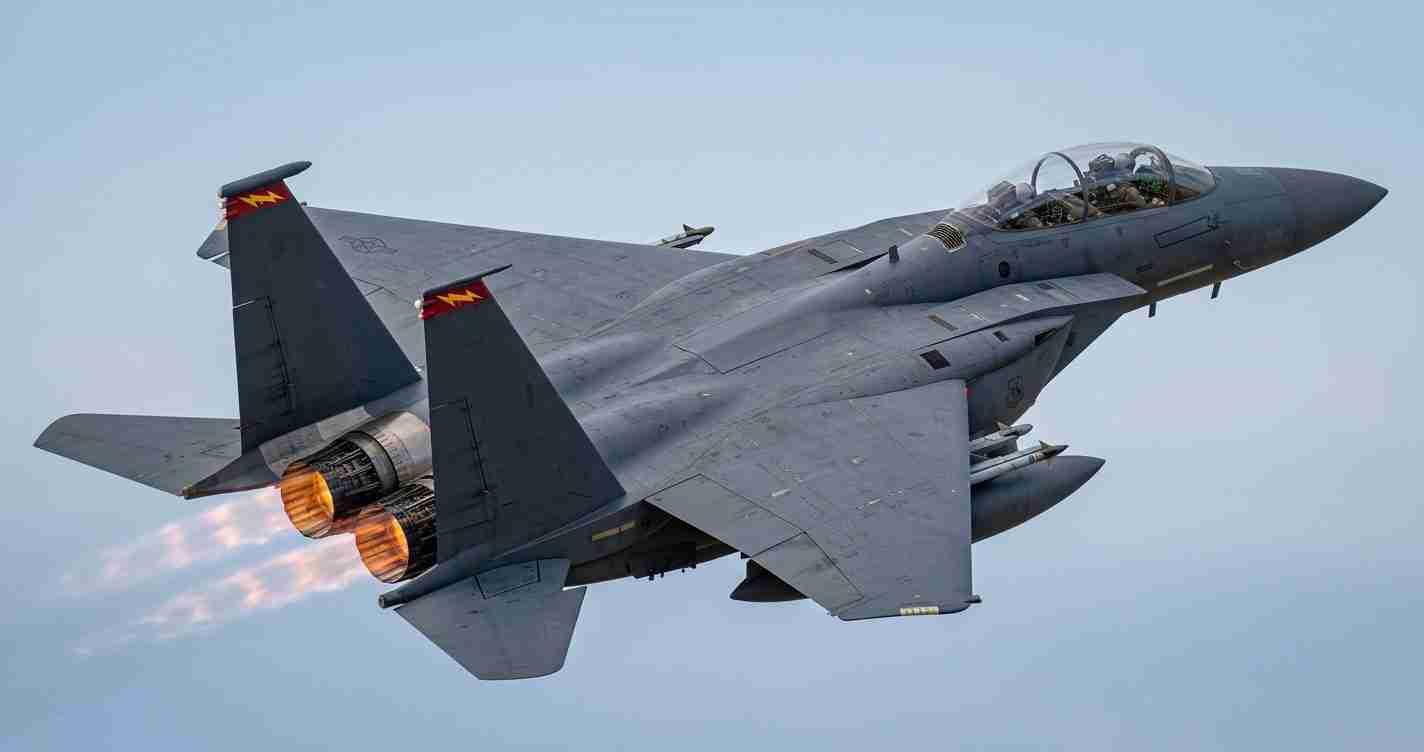
A U.S. Air Force colonel survived an F-15E shootdown over southwestern Iran on April 3, 2026, evading capture in the Zagros Mountains for about 36 hours before a CIA‑aided, U.S. special‑operations extraction recovered him on April 5.
Key takeaways
- Two crew ejected: the pilot was rescued hours after the April 3 shootdown; the wounded weapons systems officer (a U.S. Air Force colonel) evaded capture for roughly 36 hours.
- Complex rescue: the CIA tracked the airman’s signal and ran deception while U.S. special operations performed a daylight extraction supported by aircraft and MQ‑9 Reapers.
- Complications: U.S. forces destroyed damaged aircraft to prevent capture; Iranian media confirmed wreckage and reported searches.
- Local impact: San Luis Obispo officials and communities may face economic, political, and social ripple effects from the incident and any escalation.
Main content
What happened: crash, ejection and evasion
U.S. officials say an F-15E Strike Eagle was shot down in Kohgiluyeh and Boyer-Ahmad province on April 3. Both crew members ejected; commanders reported the pilot was found and recovered hours after the crash, while the weapons systems officer — identified by officials as a colonel — landed deeper in hostile territory and was initially missing behind enemy lines. Sources include Time.
Despite serious wounds, the airman climbed steep ridgelines and sheltered in a rocky crevice, carrying only limited gear: a handgun, an emergency beacon and a radio. After more than a day alone and under threat from searchers, he activated his emergency signal to help rescuers find him, according to reporting by Time.
The rescue operation
U.S. officials and reporting describe a sprawling, high‑risk rescue effort that culminated on Sunday. The CIA helped locate the colonel by tracking his beacon and equipment while running a deception operation to convince Iranian forces the crew had already been exfiltrated — a ruse intended to reduce pressure on the hiding airman during extraction preparations (Time).
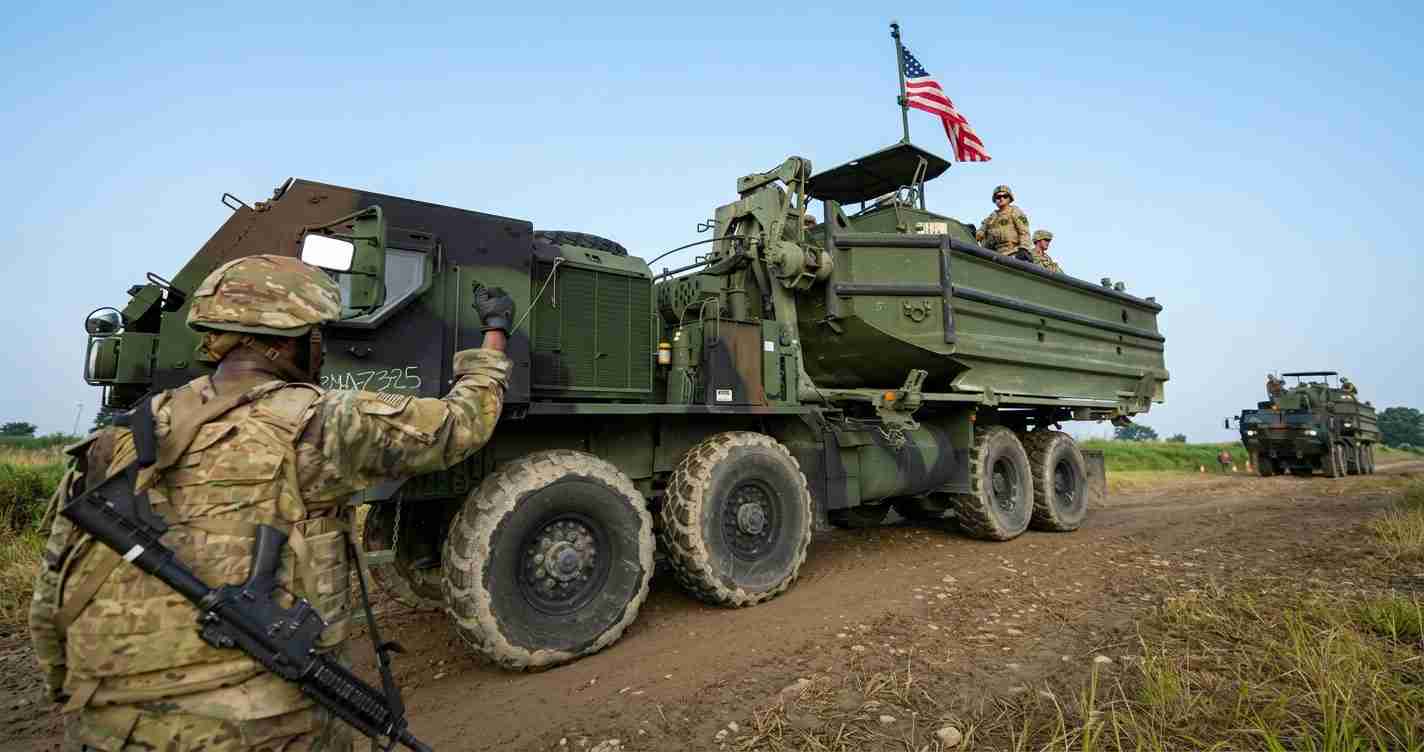
When the extraction commenced, dozens of U.S. aircraft provided cover and surveillance. MQ‑9 Reaper drones helped monitor and secure a perimeter while special operations forces carried out the ground recovery. Video reporting indicates Navy SEALs were part of the recovery team; other special operations units were on standby (video reports; Time).
Complications and losses
The mission faced several complications. Two U.S. aircraft operating near Isfahan developed problems and were destroyed by U.S. forces to prevent capture, according to U.S. accounts. An A‑10 Warthog providing close air support crashed during operations; its pilot was later recovered. Iranian state media broadcast claims about downed helicopters and transports; U.S. officials have disputed some public Iranian claims and said vehicles were sometimes destroyed to deny equipment to Iranian forces (Time; video reports).
Intelligence, allies and deception
Officials say the CIA’s role extended beyond beacon tracking. Time reports the agency ran a deception campaign feeding false intelligence that the crew had already been recovered, which appears to have slowed Iranian responses and created an operational window for special operations forces. Reporting also indicates allied partners, including Israeli intelligence, provided support and paused other activities to avoid interference (Time; video reports).
What is confirmed versus what is disputed
Some dramatic details have circulated widely on social and partisan platforms. President Trump posted and publicly described the rescue as an extraordinary operation — his remarks were widely reported and amplified (Time; Axios).
Other claims remain unverified in public reporting: precise radio transcripts, exact troop counts, detailed unit leadership, and sensationalized bounty‑hunter narratives have not been independently confirmed. Where reporting cites such claims, those items are noted as unconfirmed (Time; video reports).
Status of the airman and official statements
U.S. officials say the colonel was seriously wounded but alive and stable after extraction; he was receiving medical care and expected to recover. The identity of the officer has not been publicly released. President Trump announced the rescue on social platforms and planned public remarks with military leaders after the operation (Time; video reports).
“An extraordinary rescue,” President Trump said in public comments, praising the speed and coordination of U.S. intelligence and special operations forces.
Iranian reaction
Iranian state media confirmed a U.S. jet was downed and showed fragments of wreckage; state outlets reported searches in the region and involvement of local forces. Independent verification of claims about capture attempts or on-the-ground engagements remains limited in open reporting (video reports).
Implications for San Luis Obispo, California
Economic impact: Escalation or sustained military action can affect global oil markets, travel, and investor confidence. San Luis Obispo County — reliant on tourism, wine sales and small business — could face reduced visitors and higher costs if uncertainty persists.
Political consequences: The rescue may feed national debate on U.S. military policy. Local officials and the congressional delegation may receive constituent inquiries seeking clarity on federal decisions, troop posture and oversight.
Social effects: With many veterans and military families in the area, community support efforts, memorial events and veteran outreach could follow. Local organizations may offer counseling and support services.
Cultural relevance & practical applications: The incident may serve as a rallying point for civic pride and sober conversation about overseas operations. County emergency planners and first responders may review lessons on coordination, search-and-rescue training and victim care; health providers and veteran services could prepare outreach plans for returning service members.
Sources and reporting notes
This article draws on reporting by Time, Axios, and several contemporaneous video reports and on-the-ground footage: video 1, video 2, video 3, video 4.
Where possible, this story notes when claims remain unconfirmed in public reporting. Additional details may emerge as military and government officials release more information.