Jake Tapper apologizes after calling pipe bomb suspect a “white man”; arrest of Brian Cole Jr. tied to evidence gathered years earlier
CNN anchor Jake Tapper misidentified Brian Cole Jr. as a ‘white man’ during live coverage of a 2021 pipe-bomb arrest, quickly correcting and apologizing as journalists and officials discussed the investigation that led to the suspect’s arrest.
- Mistaken ID and correction: Jake Tapper described Brian Cole Jr. as a “white man” on air, then promptly corrected himself and apologized when the broadcast image showed the suspect is Black (Video).
- Arrest rooted in earlier evidence: Brian Cole Jr., 30, was arrested nearly five years after pipe bombs were placed outside RNC and DNC headquarters based on reanalysis of previously collected evidence (Video).
- Federal charges: Cole faces federal charges, including 18 U.S.C. § 844, for use/transportation of explosive devices and malicious destruction by explosion (Video).
What happened on air
Live on CNN’s “The Lead,” anchor Jake Tapper said, Brian Cole Jr., a 30-year-old white man from the DC suburbs,
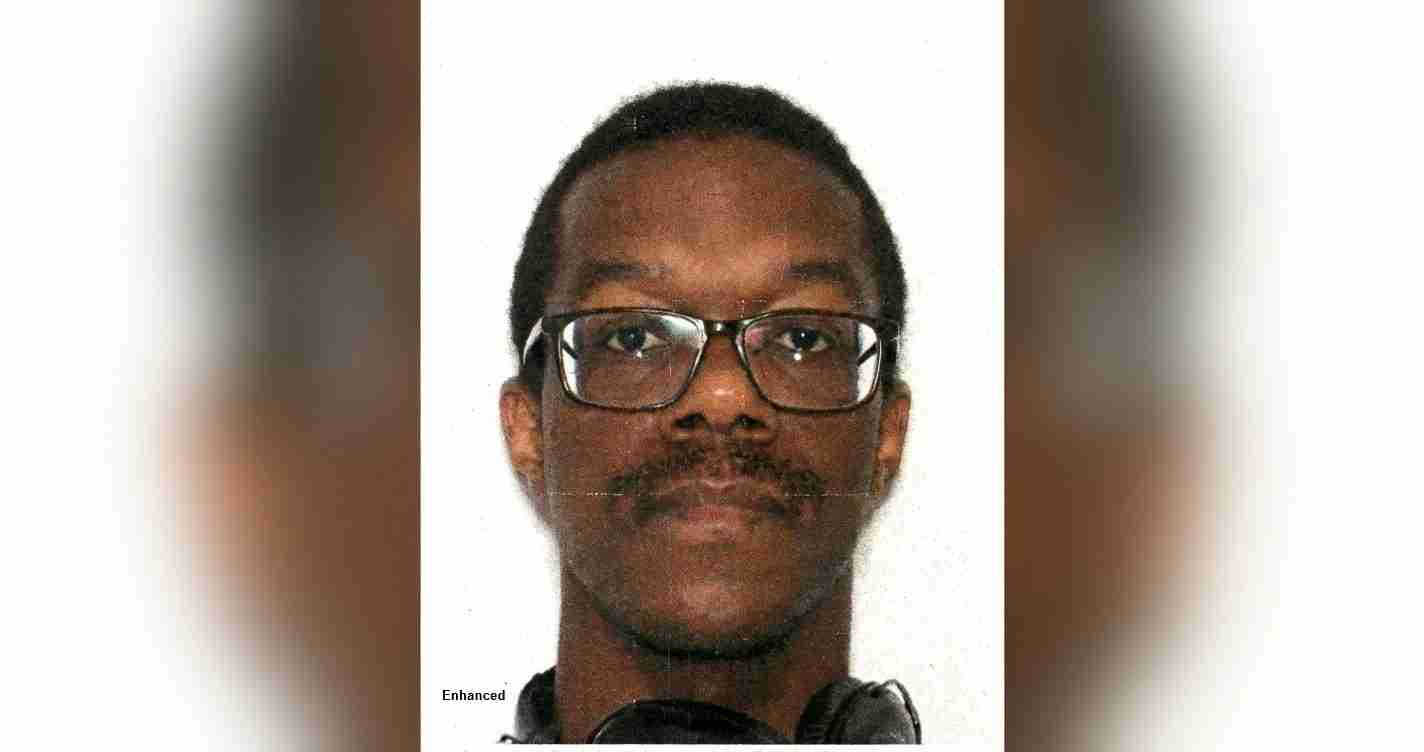
while the segment simultaneously displayed a photograph of the suspect that clearly showed he is Black. Within minutes Tapper acknowledged the error, corrected the description and apologized to viewers — a moment captured in the original broadcast (Video).
The investigation and arrest
The pipe bombs were left outside the Republican National Committee and Democratic National Committee headquarters in Washington, D.C., on the night of January 5, 2021. Authorities say Brian Cole Jr., 30, was arrested by the FBI nearly five years later after agents reexamined evidence already in their files rather than acting on a new public tip (Video).
At a Justice Department press event, officials noted the arrest stemmed from work led by the FBI Washington Field Office with partners including the ATF, U.S. Capitol Police and the Metropolitan Police Department. They emphasized the breakthrough resulted from internal investigative work and evidence collected under previous FBI leadership (Video).
Charges and legal posture
The formal complaint charges Cole under federal statutes, including 18 U.S.C. § 844, which covers use or transportation of explosive devices and malicious destruction by means of explosion. Federal prosecutors will pursue the case in the U.S. District Court for the District of Columbia; they must present the reanalyzed evidence and respond to any defense challenges.
Media reaction and the correction
Tapper’s on-air mistake and swift correction drew attention because the spoken description conflicted with the visual evidence. Rival outlets noted both the slip and the apology; for example, Fox News posted coverage highlighting the error and Tapper’s correction (Fox).
Commentators used the moment to discuss the pressures of live reporting and newsroom protocols: anchors are expected to correct the record promptly when new visuals or facts contradict earlier statements. CNN’s immediate correction is consistent with standard newsroom practice to maintain credibility in fast-moving stories (Video).
Why the case matters now
The arrest closes a long chapter in a high-profile, unresolved incident. It underscores how forensic materials, records and existing data can yield new leads when reexamined. Justice Department officials stressed that the breakthrough came from investigative diligence rather than a new tip, illustrating the long arc of complex federal probes.
The charges carry serious federal penalties. Observers will watch how prosecutors present the evidence in court and how the defense challenges the methodology of the reanalysis.
Implications for San Luis Obispo, California
Although the incident occurred in Washington, D.C., several local implications are notable for San Luis Obispo:
- Public trust in national media: Residents may see the misidentification and correction as an example of how major outlets can err; it highlights the value of source verification and news literacy.
- Community safety and planning: The case is a reminder to review security protocols for public events and politically sensitive gatherings.
- Law enforcement cooperation: The FBI-led arrest shows the importance of federal-local partnerships and evidence-sharing practices.
- Educational value: Local schools and civic programs can use the case to teach about federal charges, forensic reanalysis and journalistic corrections.
What to watch next
Expect federal prosecutors to disclose further details in court filings and for media outlets to report on hearings and motions. Observers should watch for statements from the U.S. Attorney’s Office in D.C. and any detailed explanations from the FBI about how earlier-collected evidence produced the identification (Video).
Bottom line: Tapper’s on-air correction underscores the challenges of live reporting; the arrest highlights how reexamined evidence can advance long-running federal investigations (Fox; Video).