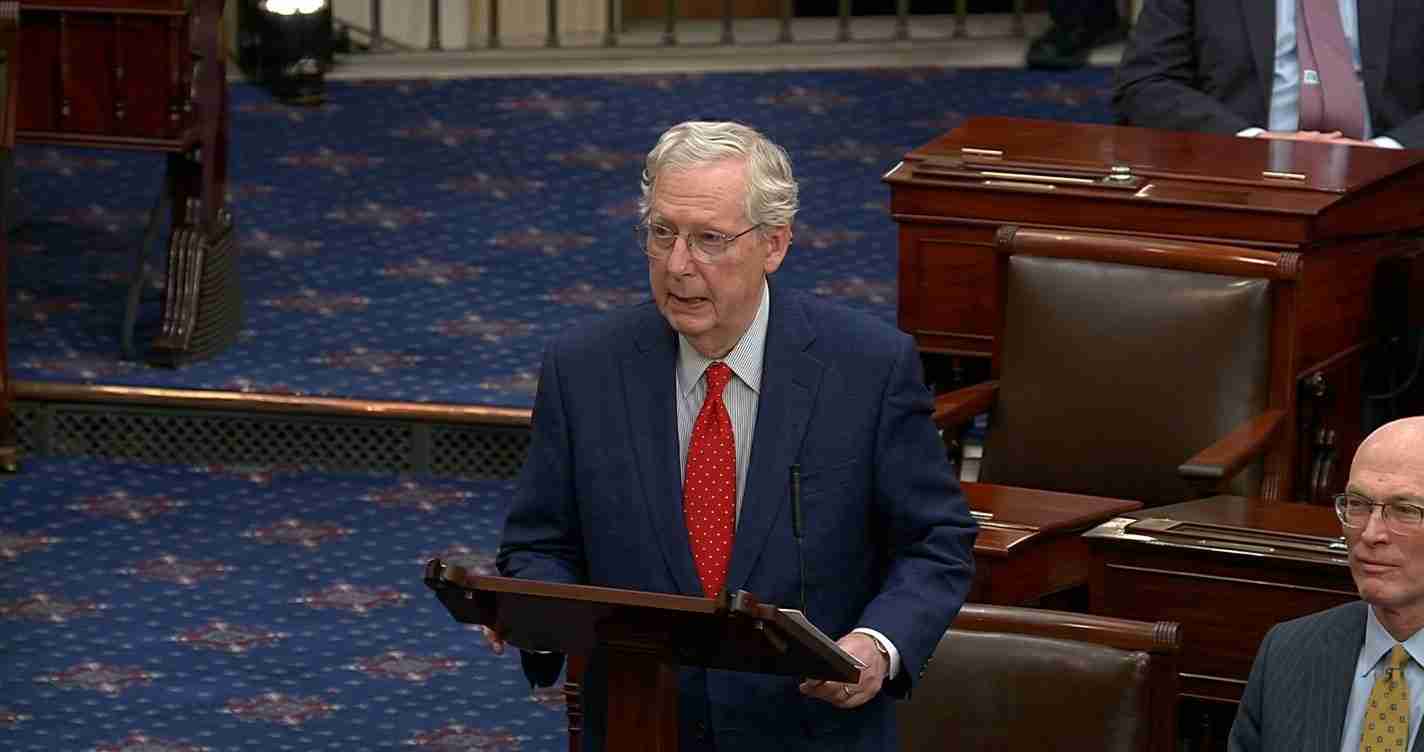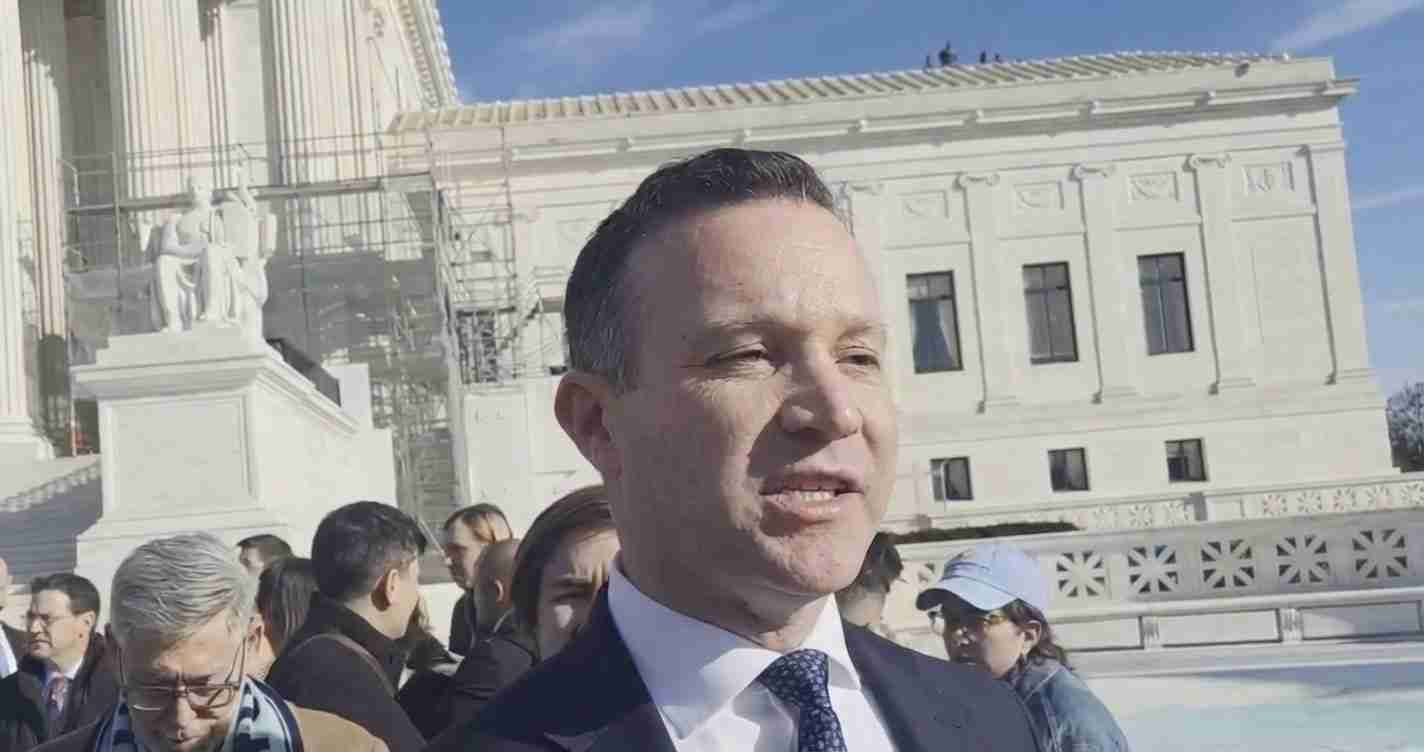
ACLU lawyer refuses to define “sex” at Supreme Court hearing on trans athletes; Rep. Nancy Mace posts footage, critics call stance “bizarre”
At a January 13, 2026 Supreme Court hearing in West Virginia v. B.P.J., ACLU attorney Joshua Block refused to give a fixed definition of “sex,” prompting criticism from Rep. Nancy Mace and renewed debate over Title IX.
- High-stakes case: West Virginia v. B.P.J. challenges West Virginia’s 2021 law barring transgender girls from girls’ sports under Title IX — see Fox News: Trans athletes attorney suggests sex should not be defined during SCOTUS Title IX case.
- Attorney stance: ACLU attorney Joshua Block resisted adopting a single, fixed legal definition of “sex” during oral argument, later allowing parties could accept a state’s framing of “biological sex” for purposes of the case — see Fox News: Nancy Mace rips trans-athletes attorney.
- Political reaction: Rep. Nancy Mace posted video on X criticizing the ACLU’s credibility; opposing counsel John Bursch called Block’s stance “completely bizarre” — see Ground News analysis and Fox News coverage.
- Local stakes: San Luis Obispo County schools and student-athletes may need to revise policies depending on the Court’s interpretation of “sex.”
What happened at the hearing
Oral argument in West Virginia v. B.P.J. focused on how Title IX’s prohibition on sex discrimination should apply to school sports. ACLU attorney Joshua Block, representing Becky Pepper-Jackson and the American Civil Liberties Union, repeatedly resisted efforts to pin down a single definition of “sex.” Reporting summarized that Block said, “I don’t think the purpose of Title IX is to have an accurate definition of sex,” arguing that sex discrimination can cover a range of conduct and not only categories tied to biological traits — see Fox News: Nancy Mace rips trans-athletes attorney.
Chief Justice John Roberts pushed back, asking how the Court could apply Title IX without a working definition of “sex,” noting the statutory term “must mean something.” Justice Samuel Alito also pressed counsel on definitions of “man” and “woman,” while Justice Neil Gorsuch raised real-world consequences for school sports where roster cuts occur. Coverage of the exchange can be found in analyses such as Ground News and reporting by AOL News.
Block later acknowledged that biological differences can be relevant in certain sports contexts, calling some competitive effects “unfortunate” (the hearing referenced girls’ cross-country as an example). He cautioned that forcing a fixed biologically based definition could have broad consequences across other federal anti-discrimination contexts — see Fox News coverage.
Immediate reactions on and off the bench
Political and legal responses arrived quickly. Republican Rep. Nancy Mace posted a clip on X showing Block declining to answer a Fox News Digital reporter’s question about how he defines sex; Mace wrote that if the ACLU “can’t even define what sex is, they have no credibility lecturing anyone about sex discrimination,” which underpins their argument — see Fox News.
John Bursch, attorney for West Virginia and the female athletes represented by Alliance Defending Freedom, described Block’s reluctance as “completely bizarre,” arguing Title IX was drafted with biological distinctions in mind when it refers to “each of the sexes.” Advocates for transgender rights counter that a narrow, biological-only definition risks excluding people whose experiences of sex and gender differ from that framing. The ACLU argues state bans deny transgender girls meaningful access to public education and school activities.
Why the definition matters for Title IX
Title IX prohibits sex-based discrimination in federally funded education programs. A Court interpretation that equates “sex” only with biological sex at birth could bolster state laws that exclude transgender girls from girls’ teams. Conversely, an interpretation that recognizes gender identity or treats sex as broader could strike down state bans. The decision’s reach could extend to athletics, locker rooms, admissions, and other federally funded spaces — see AOL News analysis.
Coverage patterns and credibility questions
News coverage of the hearing spanned the ideological spectrum. A sample of early headlines gathered by Ground News showed right-leaning outlets dominating initial coverage in that sample, and many widely shared clips and posts came from conservative personalities. Analysts cautioned that early social-media narratives and clips can shape public impressions of a complex oral argument that the justices will ultimately resolve over months.
Case background and what’s next
Becky Pepper-Jackson, who identifies as transgender, sued after losing the ability to compete on girls’ teams in West Virginia middle and high schools. West Virginia’s 2021 law bars participation by biological males on girls’ teams. The Supreme Court heard arguments on January 13, 2026. Observers noted reporting that the Court appeared poised in some coverage to uphold state bans, but questions at argument do not always predict final votes. A decision is expected later this Term — see AOL News.
Implications for San Luis Obispo, California
Local school districts and athletic programs: San Luis Obispo County public schools and community colleges should monitor the Court’s decision closely. A narrower federal definition of “sex” could allow state or local policies restricting transgender students’ access; a broader interpretation could require districts to update participation policies and training. Administrators may need guidance from the California Department of Education and CIF Central Section depending on the ruling’s scope — see Fox News coverage.
Impact on student-athletes: San Luis Obispo has active middle and high school sports, including cross-country, where the hearing cited displacement concerns. Coaches and athletic directors should prepare for questions from parents and athletes about eligibility rules and competitive balance at schools such as San Luis Obispo High and nearby districts.
Legal and policy guidance: While California law currently offers different protections than West Virginia’s statute, a Supreme Court ruling that narrows Title IX could prompt state lawmakers, school boards, and county officials to clarify local rules. County counsel and school attorneys should track the decision and be ready to advise on compliance with federal and state law — see Fox News.
Community effects and practical steps: Families and community groups in San Luis Obispo may organize forums to discuss school responses. Local LGBTQ+ organizations and parent groups will likely seek clarity on protections for transgender students. Parents and students should watch for guidance from districts and county education officials; coaches should review eligibility policies and consult legal advisors if the Court changes Title IX interpretation.
Sources
- Fox News: Nancy Mace rips trans-athlete attorney for refusing to define sex at SCOTUS hearing
- Fox News: Trans athletes attorney suggests sex should not be defined during SCOTUS Title IX case
- Meaww: Nancy Mace rips trans-athletes lawyer for refusing to define sex at SCOTUS hearing
- Ground News analysis: ACLU can’t define sex in transgender Supreme Court case
- AOL News coverage of the hearing and possible Court direction
Quote from argument: “I don’t think the purpose of Title IX is to have an accurate definition of sex,” — Joshua Block (as reported).
Note: Video clips and social posts amplified the exchange; Rep. Mace posted a post-hearing clip and reporting noted Block walked away from reporters and declined additional comment — see the Fox News coverage linked above.