Mass economic protests rock Tehran as riot police use tear gas; currency collapse deepens unrest
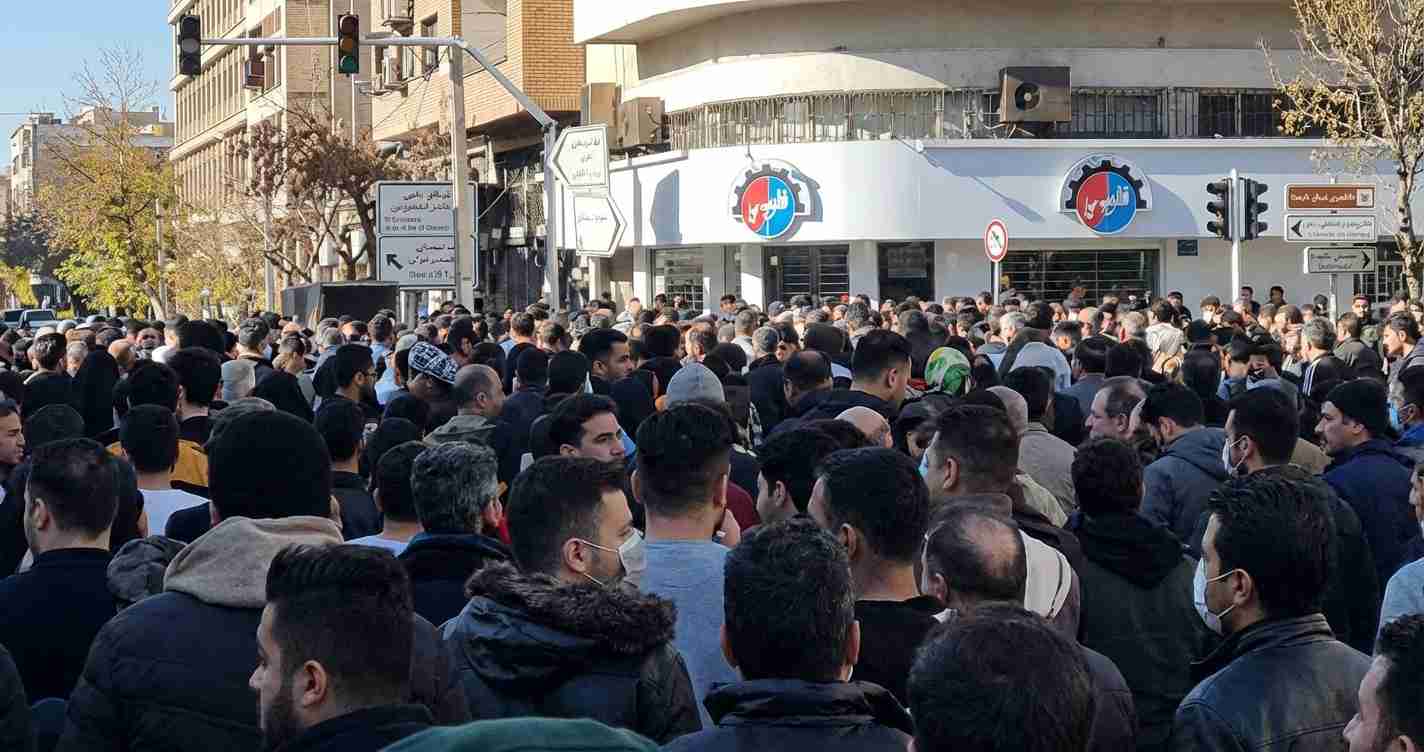
Mass protests erupted in Tehran on December 29, 2025, over a collapsing economy marked by record-low currency and severe inflation, as riot police used tear gas to disperse crowds protesting for a second day amid widespread business closures.
Key takeaways
- Large demonstrations in Tehran centered on economic grievances after the national currency hit record lows, eroding purchasing power and worsening inflation. (Source: RFE/RL)
- Riot police deployed tear gas in several parts of the capital as crowds continued protests into a second day. (Source: RFE/RL)
- Commercial disruption: Major business activity was reported closed or quieter than usual amid the unrest. (Source: RFE/RL)
What happened in Tehran
On Dec. 29, crowds gathered across Tehran to protest what demonstrators described as a collapsing economy. Many voiced frustration about rising prices, growing unemployment and shrinking household purchasing power. Business owners kept shops closed in several commercial districts, and public markets were quieter than usual as residents avoided central areas. (Source: RFE/RL)
Security response and crowd dynamics
Security forces moved to control gatherings across neighborhoods. Local reporters and eyewitness accounts described riot police using tear gas to break up groups and push protesters back from major thoroughfares. The deployment of tear gas became a focal point of the day’s events, with images and videos shared online showing clouds of gas in city streets. (Source: RFE/RL)
“Scenes of coughing and confusion as people scrambled to leave affected streets were widely shared online.”
Economic drivers behind the unrest
Protesters cited steep price rises, a record-low currency valuation and rising unemployment as primary grievances. Iran’s currency devaluation has eroded savings and made imports more costly, compounding price increases for food, medicine and energy. Citizens say government relief has been unclear as daily living costs rise. (Source: RFE/RL)
An ongoing energy crisis and shortages of basic supplies have intensified public anger. For many Iranians, unpaid wages, shrinking purchasing power and higher utility costs have pushed longstanding grievances into public protest. Analysts note that when survival needs are stressed, political and social tensions can escalate rapidly.
What has been verified — and what remains unclear
Verified:
- Large protests took place in Tehran on Dec. 29, focused on economic complaints. (Source: RFE/RL)
- The Iranian currency fell to record lows recently, worsening inflation and public hardship. (Source: RFE/RL)
- Riot police used tear gas to disperse crowds in parts of Tehran. (Source: RFE/RL)
Unclear / unconfirmed: Reports claiming widespread protests across many other cities, full-scale national bazaars shutdowns, or statements from international political figures regarding these specific Dec. 29 events have not been independently corroborated in available mainstream reporting. Journalists caution about accepting unverified social media posts as fact. (Source: RFE/RL)
International reaction and the information environment
The events drew attention online and in international commentary. Given Iran’s geopolitical role, protests often prompt swift reactions from foreign governments, commentators and diaspora communities. However, independent verification can be slow; state and non-state actors sometimes amplify specific images or narratives. Separating verified facts from social media claims is essential. (Source: RFE/RL)
Why this matters: economic protests as a barometer
Economic protests act as a direct measure of public sentiment on governance, policy and daily hardship. When inflation accelerates and basic goods become unaffordable, citizens are likelier to protest. Tehran’s business closures and tear gas deployments reflect deep public discontent and state concern about order. Analysts will watch whether protests remain narrowly economic or broaden into wider political demands. (Source: RFE/RL)
Implications for San Luis Obispo, California
Though geographically distant, the Tehran unrest has several local angles for San Luis Obispo:
- Community ties: Iranian and Iranian-American residents may organize gatherings, vigils or information sessions at Cal Poly or community centers to support relatives and share reliable updates.
- Humanitarian considerations: Escalating unrest could increase asylum or refugee requests; local nonprofits and faith groups may be called upon to help with resettlement and legal aid.
- Markets and supply chains: Worsening global instability can affect energy prices and shipping costs, potentially raising fuel and delivery costs for local agriculture, tourism and small manufacturers.
- Academic interest: Cal Poly and local think tanks may use the episode for studies in economics, public policy and crisis reporting.
- Information literacy: The spread of unverified claims highlights the role local media, libraries and schools can play in teaching source verification and combating misinformation.
Reporting notes and sources
This article is based on reporting from Radio Free Europe/Radio Liberty, which documented the demonstrations in Tehran, the record-low valuation of the Iranian currency, rising inflation and the use of tear gas by riot police on Dec. 29, 2025. The original report also noted gaps in publicly available information about unrest outside Tehran and cautioned about unverified social media claims. For the primary reporting, see RFE/RL.
For updates: Readers are advised to consult multiple reputable sources and be cautious about accepting unverified social media reports as fact. Further on-the-ground reporting and official statements will be necessary to build a full picture of events and consequences. (Source: RFE/RL)