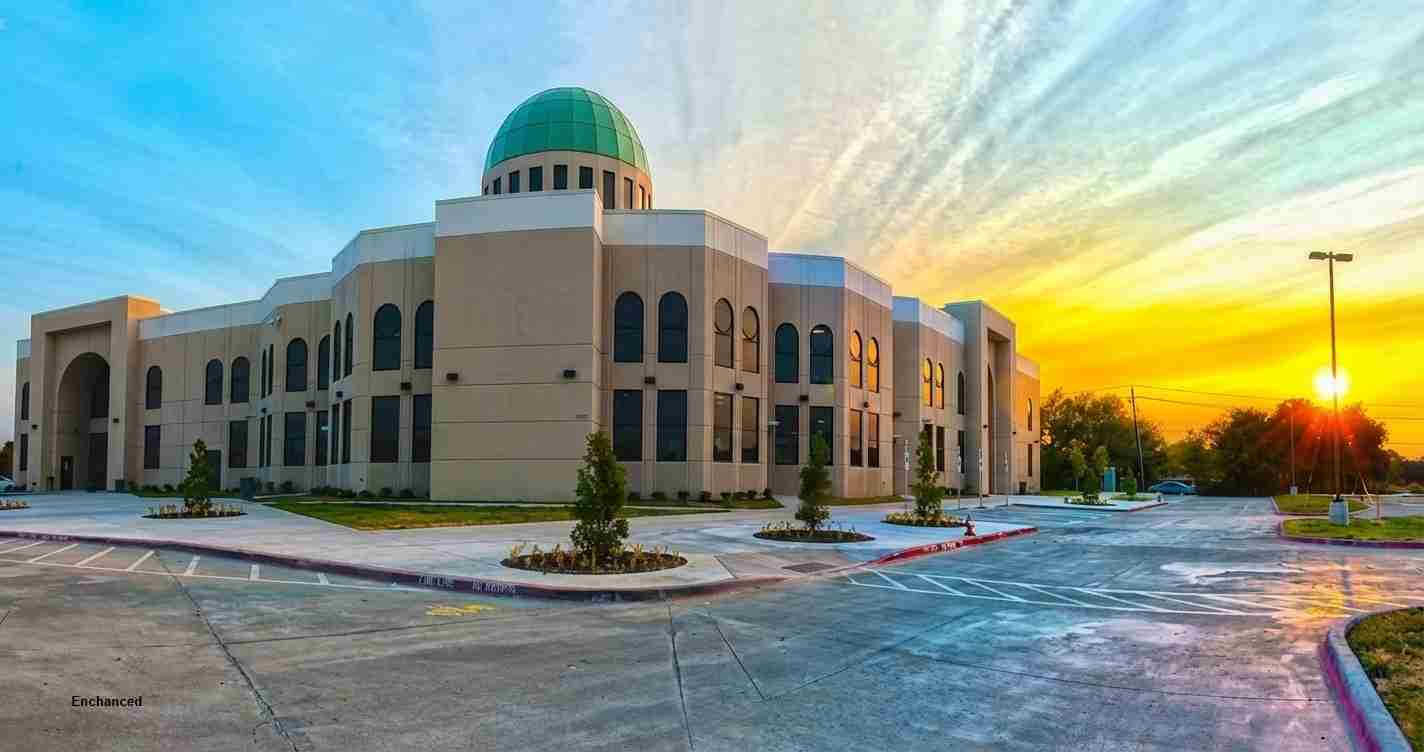
Texas AG sues Plano mosque and developers over EPIC City development, alleging securities fraud and “Muslim-only” marketing
Texas Attorney General Ken Paxton filed a civil lawsuit against the East Plano Islamic Center (EPIC) and its development arm, alleging unregistered securities offerings, deceptive investor statements and unlawful “Muslim-only” marketing tied to the proposed EPIC City residential project.
Key takeaways
- Who sued: Attorney General Ken Paxton named the East Plano Islamic Center (EPIC), Community Capital Partners and individual project leaders in a civil complaint — details and reporting from KERA News.
- Allegations: The suit accuses promoters of offering unregistered securities, making material misrepresentations about location and risk, and promoting the project as effectively restricted by religion.
- Relief sought: Paxton seeks a temporary restraining order to halt fundraising and promotion, permanent injunctions, bans on future offerings, and possible financial remedies for investors.
- Local implications: The case may prompt closer scrutiny of faith-affiliated real-estate projects and change due-diligence expectations for community-based offerings.
Main content
What the lawsuit says
Investigation and documents: Paxton’s office says it opened a securities probe in March and later obtained more than 750 documents from Community Capital. Based on that record, the complaint claims EPIC and related entities offered investment interests that qualify as securities under Texas law but failed to follow registration rules or confirm investors met standards for private offerings, such as being “accredited investors.”
The AG alleges promoters made material misrepresentations and omissions to attract money, including inconsistent or undisclosed promotional videos and online materials for a phase called The Meadow. The complaint also says investors were told the project would be in Josephine, Texas, while the actual planned site is on unincorporated land between Collin and Hunt counties — a difference Paxton argues could affect zoning, services and property values. Reporting and filings summarized by KERA News track these allegations.
Alleged “Muslim-only” marketing
A central, sensitive element of the complaint is Paxton’s characterization that marketing materials and investor pitches emphasized creating a Muslim-focused community and presented the development as welcoming primarily Muslim residents. The AG contends that advertising a development as effectively restricted by religion could violate state and federal fair housing laws, even if presented as a private investment or community preference.
Note: Reporters and the AG’s filings acknowledge legal complexity in distinguishing lawful religious association from unlawful religion-based restrictions. Public reporting centers on Paxton’s framing; the underlying promotional materials are not fully reproduced in public reports, so phrases such as “Muslim-oriented,” “Muslim-majority,” and “Muslim-only” in coverage reflect the AG’s complaint as reported by KERA News.
Paxton’s public statements
Paxton described the development as an “unlawful land project” and a “fraudulent operation,” accusing backers of seeking to “destroy hundreds of acres of beautiful Texas land and line their own pockets.” His office framed the suit as protecting Texans from deceptive schemes. These are allegations in a civil case and have not been proven in court.
EPIC, developers and community response
As of initial reporting, EPIC and Community Capital had not issued a detailed public response to every allegation in the suit. Project supporters had described The Meadow and EPIC City as faith-inspired, master-planned communities intended to serve Muslim families while complying with the law. There has been no public admission of wrongdoing; the dispute is now in civil court.
Legal context: securities, housing and religion
Under Texas law some real-estate investment offers are treated as securities that must be registered or qualify for an exemption. Requirements include verifying investor qualifications for private placements and providing required disclosures. Misrepresentations about a project’s location, size, or legal status can support securities-fraud claims.
State and federal fair housing laws bar discrimination based on religion. Advertising or promoting property as restricted to or aimed at people of a certain faith can run afoul of those laws. Paxton’s complaint links the securities allegations with claims the marketing ran afoul of fair housing protections.
Procedural status
Paxton’s office says the investigation began in March and that it informed the Texas State Securities Board in November of evidence of violations. The civil lawsuit was filed after that notice. The AG is seeking a temporary restraining order to halt fundraising and promotion while the litigation proceeds; if granted, fundraising and certain project activities could be frozen pending the court’s decisions.
Who invested and who was affected
Reporting indicates Muslim community members were among primary investors and intended residents for EPIC City, reflecting EPIC’s role as a religious institution. Paxton’s office contends promoters may have relied on religious trust rather than customary real-estate due diligence, potentially leaving community investors vulnerable if disclosures were incomplete or misleading.
Implications for San Luis Obispo, California
Economic: Local developers, investors and community groups in San Luis Obispo County may face heightened scrutiny of faith-affiliated real-estate offers. The case could prompt closer review of crowdfunding or private investment pitches that rely on community trust.
Political and social: Elected officials may receive more constituent questions about zoning and fair housing when proposals emphasize religious or cultural preferences. The dispute could spur interfaith dialogue about protecting small donors while guarding against discriminatory enforcement.
Practical: Residents should exercise caution with community-based investment solicitations and demand clear written disclosures about location, zoning and investor protections. Local professionals may see increased demand for advice on structuring faith-affiliated projects within securities and housing law constraints.
Source(s)
Reporting and details in this article are based on coverage by KERA News.
[End of article — substantive reporting continues as court filings, statements or new information are released.]