“Gas Station Heroin” Tianeptine Fuels New State Bans as Medical Experts Warn of Deadly Risks
Tianeptine, nicknamed “gas station heroin,” is an unapproved antidepressant sold as a supplement at convenience stores; linked to opioid-like effects, severe overdoses and rising state bans, it’s prompting urgent warnings from medical and regulatory experts.
Key takeaways
- Not FDA-approved: The U.S. Food and Drug Administration warns consumers not to buy or use any tianeptine product.
- State bans growing: At least 14 states have moved to schedule or ban tianeptine amid rising harms and fatalities.
- Opioid-like danger: At higher doses tianeptine stimulates mu-opioid receptors, causing respiratory depression, sedation and death.
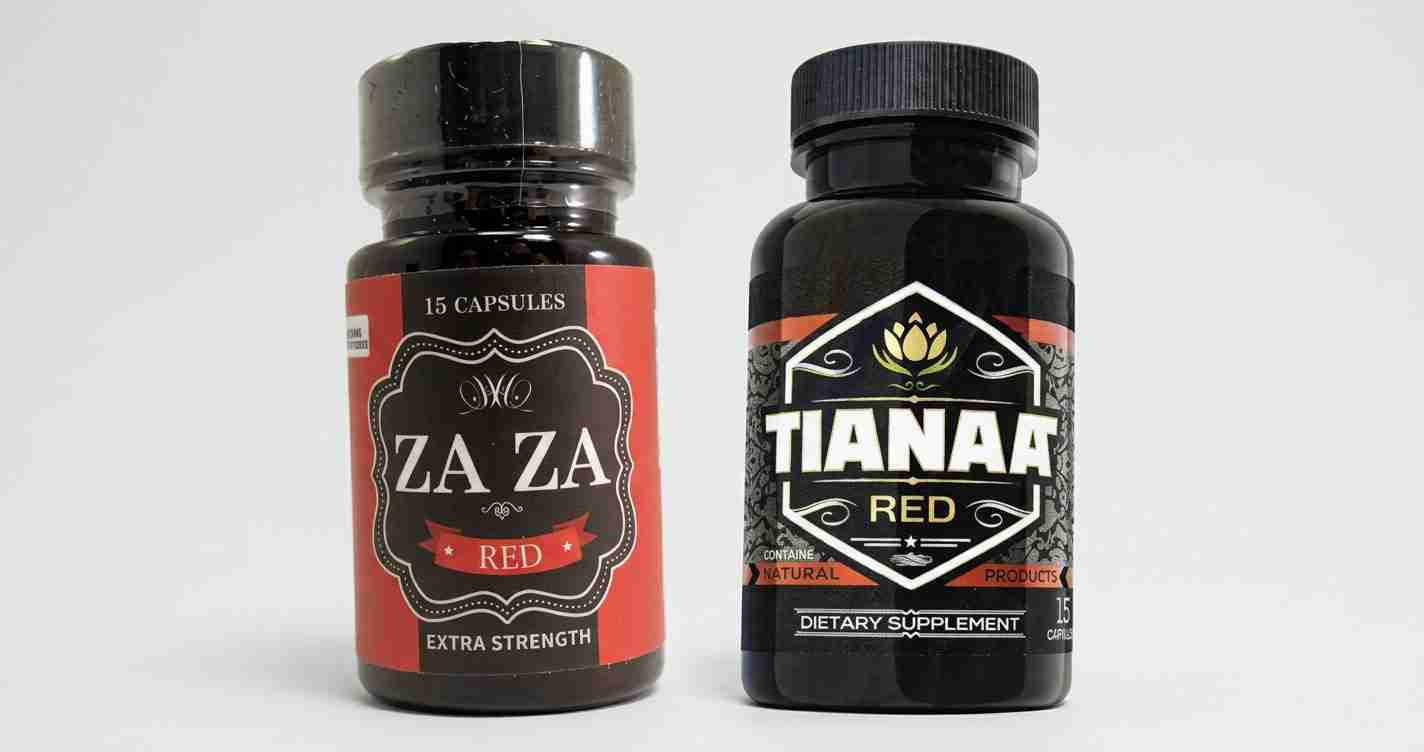
- Local impact: San Luis Obispo retailers, parents and health providers should monitor products sold under names like Tianaa, Zaza and Neptune’s Fix.
Main content
What tianeptine is
Tianeptine is an antidepressant used in some countries to treat depression, anxiety and irritable bowel syndrome but it is not approved for medical use in the United States. In U.S. markets it is often sold outside medical channels as a supplement, nootropic or “research chemical,” which can mask its pharmacology: at high doses it stimulates the same mu-opioid receptors affected by opioids such as morphine (Mayo Clinic; U.S. FDA).
Marketing and availability
Retailers and online sellers have offered tianeptine in pills, powders, salts and liquids — sometimes in candy-like flavors that may appeal to young people. Sellers have made unproven claims that products can treat pain, anxiety, depression or even help with opioid withdrawal (see VCU Health/Virginia Poison Center). The FDA has issued warnings and asked retailers to stop sales (FDA safety notice).
Health risks and clinical reports
Health officials and clinicians report a spectrum of harms. At lower doses some users report euphoria tied to serotonergic effects; at higher doses the drug’s opioid-like action can depress breathing, produce severe sedation and cause death (NIH research summaries; VCU Health).
Common reported problems include:
- Respiratory depression and severe sedation
- Confusion, agitation and rapid or irregular heartbeat
- Seizures, coma and death
- Opioid-like withdrawal symptoms when stopping use
Poison centers and hospitals have seen rising calls. The Virginia Poison Center reported about one-third of patients exposed to tianeptine required ICU-level care for toxicity or withdrawal. State health departments and federal agencies have linked exposures to serious medical events and deaths (see New Jersey alert: New Jersey health alert).
Experts’ alarm and calls for national action
FDA leaders and medical experts have urged the public to take the risks seriously. Emergency physicians note the pattern: serotonergic euphoria at low doses and lethal opioid effects at high doses. Dr. Robert Schwaner of Stony Brook Emergency Medicine has publicly urged national regulation, describing the drug’s addictive potential and risk of respiratory arrest.
“The substance’s addictive qualities and risk profile demand broad action,” clinicians warn.
State-level bans and scheduling
State responses have accelerated: at least 14 states have moved to classify or ban tianeptine, often adding it to Schedule I lists reserved for drugs considered to have no accepted medical use and high abuse potential (congressional background). Connecticut recently banned sale and use, adding tianeptine to Schedule I alongside other emerging substances; state officials cited the need to protect youth from falsely marketed, candy-flavored products.
Regulatory response and recalls
The FDA has issued alerts, encouraged voluntary recalls and sent letters to retailers. In January 2024 the agency urged voluntary recalls and a manufacturer, Neptune Resources, later issued a nationwide recall of several products following the FDA’s request (FDA notices).
Treatment and resources
Anyone facing tianeptine dependence or overdose should seek immediate care. Medical providers should consult poison control at 1-800-222-1222 for suspected exposures. People seeking help for substance use can call SAMHSA’s National Helpline at 1-800-662-HELP (4357) for confidential, 24/7 support in English and Spanish.
Implications for San Luis Obispo, California
Economic impact
Small retailers and convenience stores face inventory and legal questions if state or local enforcement increases. Local pharmacies and clinics may see higher demand for medical advice and addiction services as residents seek information.
Political consequences
Moderate voters often favor balanced public-safety solutions; local leaders may face pressure to adopt ordinances, retailer outreach or education campaigns to keep dangerous products away from teens.
Social effects
Flavored or candy-like products elevate risk for young people. Schools and parent groups should be alerted to product names — Tianaa, Zaza, Neptune’s Fix, Pegasus, TD Red — and incorporate awareness into prevention programs (VCU Health overview).
Cultural relevance
The presence of misbranded, dangerous products in local stores runs counter to San Luis Obispo’s community health values and may trigger civic campaigns to remove unsafe items and inform shoppers.
Practical applications for residents
- Check household supplements: Inspect any supplements or “research chemicals” and avoid products listing tianeptine or sold under street names.
- Talk to teens: Parents should discuss the dangers of unregulated pills or flavored products purchased at stores.
- Seek help early: For adverse reactions call poison control at 1-800-222-1222 or SAMHSA at 1-800-662-HELP (4357) (New Jersey health alert; SAMHSA).
Reporting and next steps
Local health officials and retailers can coordinate with state agencies to track incidents and remove dangerous products. Clinicians should report suspected cases to poison control and local public health authorities to build a clearer local picture. Nationally, the FDA and several states continue to push for stronger restrictions to reduce availability and protect youth (FDA safety notice).
Sources and further reading
- U.S. Food and Drug Administration: FDA warns consumers not to purchase or use any tianeptine product due to serious risks
- Mayo Clinic: Tianeptine
- VCU Health/Virginia Poison Center overview: What you need to know about “gas station heroin”
- National Institutes of Health: research summaries on opioid receptor effects
- New Jersey health alert on tianeptine exposures
- Congressional background on state actions and FDA outreach
- SAMHSA National Helpline