Trump delivers blunt ultimatum to Maduro as talks collapse; US closes Venezuelan airspace and readies forces
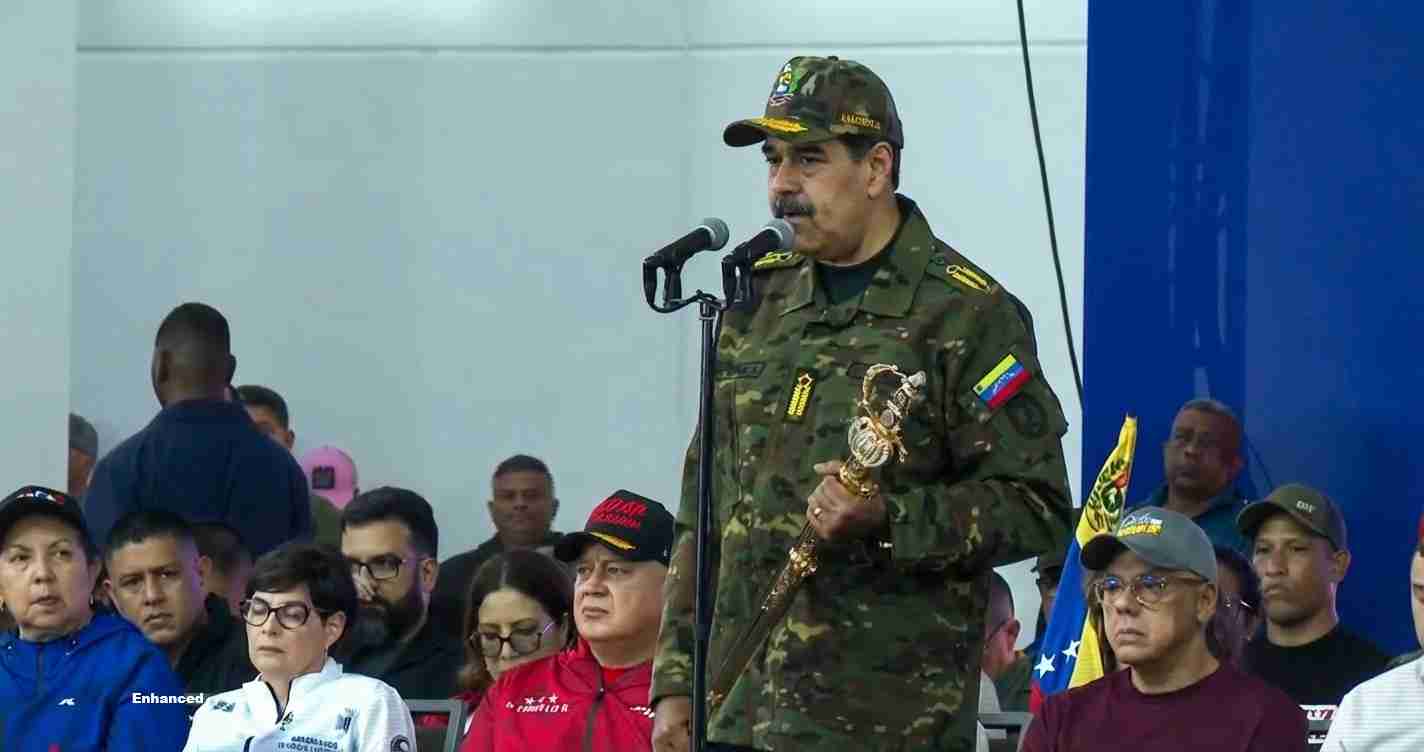
Amid mounting diplomatic strain, former President Donald Trump issued a blunt late‑November ultimatum demanding Nicolás Maduro’s immediate resignation and safe passage — negotiations collapsed over amnesty and military control, prompting US airspace closures and heightened military readiness.
- Immediate demand: Trump told Maduro to resign and offered safe passage if he left immediately (Times of India; Fox News).
- Talks collapsed over key demands: Caracas sought global amnesty and retention of military control, conditions Washington rejected (Times of India; Fox News).
- Escalation: The US closed Venezuelan airspace, warned carriers, rerouted flights, stepped up maritime strikes and designated the Cartel de los Soles as a foreign terrorist organization (Times of India; Fox News).
The ultimatum and the failed talks
Former President Trump placed a late‑November phone call to Venezuelan leader Nicolás Maduro that became a turning point in US–Venezuela tensions. During the call, Trump said Maduro must leave the country immediately and offered safe passage for Maduro and close family members if he agreed to resign on the spot (Times of India; Fox News).
Venezuelan officials pushed back with a set of demands that Washington rejected. The disagreement over those demands and the rapid timeline for any departure ended the talks within days of the call (Times of India; Fox News).
Maduro regime demands that derailed talks
Officials briefed on the discussions identified two core demands from Caracas that Washington found unacceptable. First, Maduro sought global amnesty for himself and members of his inner circle for alleged crimes committed while in power — a demand the US rejected outright (Times of India).
Second, Caracas requested the right to retain control of Venezuela’s armed forces even if a transition and free elections were allowed — a condition compared by some officials to Nicaragua’s 1991 model. Washington refused any plan that would leave the military under Maduro’s influence (Times of India; Fox News).
A third sticking point was timing: Washington demanded immediate resignation; Caracas balked, and reported attempts to schedule follow‑up talks went unanswered (Times of India).
Swift escalation after the breakdown
After talks collapsed, the administration moved quickly. The president declared Venezuelan airspace “closed in its entirety,” grounding international flights and prompting the FAA to warn carriers of heightened military activity. Major airlines halted services and rerouted flights to nearby islands such as Aruba and Curaçao (Times of India).
Trump warned operations “by land” could begin “very soon,” signaling potential ground intervention if political measures failed. Concurrently, the US intensified maritime strikes against boats suspected of moving drugs through the Caribbean as part of a push to disrupt networks alleged to be tied to the Venezuelan government (Times of India).
Washington also designated the so‑called Cartel de los Soles — an organization the US links to elements of the military — as a foreign terrorist organization in the lead‑up to these measures (Fox News).
Military readiness and Venezuelan defenses
Defense analysts say Maduro and his inner circle face their most serious threat since taking power. Years of sanctions, corruption, defections and neglected equipment have eroded Venezuela’s armed forces; the military relies on aging Russian systems and older American gear that has not been properly serviced, limiting sustained campaign capacity (Fox News).
“You can’t go after 30 people simultaneously, who are spread all around, but certainly high on the list would be Maduro himself,” a defense source said, underscoring the difficulty of broad capture operations (Fox News).
Political justification in Washington
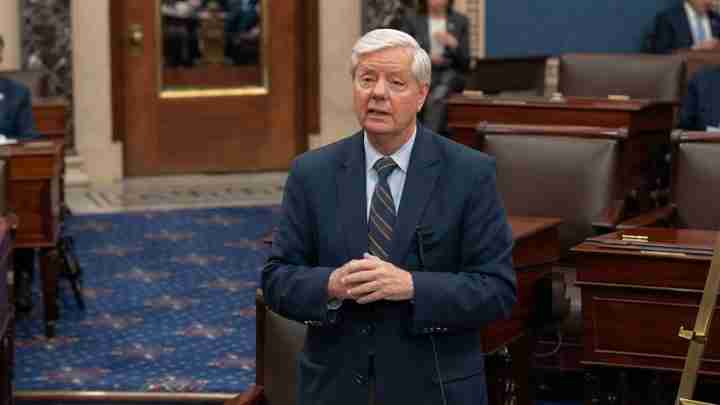
US officials framed the posture largely around concerns about drug trafficking and public health at home. Supporters cited evidence tying narcotics flows to regional criminal networks. Senator Dave McCormick defended the tougher stance, calling it a response to “a war that’s coming through fentanyl, through opioids, through cocaine,” and blamed Venezuela for fueling the drug crisis (Times of India).
Strategic and international context
Analysts briefed on the situation said timing may favor the US: Russia and Iran are preoccupied elsewhere, and China has shown reluctance to intervene at a level that would change the balance. Inside Venezuela, concentrated power and repression could accelerate defections among military and political leaders if pressure increases (Fox News).
Trump cautioned reporters not to “read anything into” his airspace declaration when asked whether strikes were imminent, leaving public uncertainty about immediate action (Fox News).
Implications for San Luis Obispo, California
Economic impact: San Luis Obispo County could feel indirect effects from a spike in global energy prices if tensions push oil markets higher. Higher fuel costs would increase expenses for local businesses, farmers and residents reliant on trucking, irrigation and daily travel.
Political consequences: US‑Venezuela tensions may surface in local politics and town halls, especially around public safety and border policy. Officials could face questions on county preparedness for shifts in federal policy on immigration, drug interdiction or humanitarian aid tied to Venezuelan instability.
Social effects: While SLO County is not a primary destination for Venezuelan migrants, broader migration flows could affect asylum processing and services nationwide. Local nonprofits and clinics serving immigrants and those facing addiction may see indirect effects if federal resources shift.
Cultural relevance: Immigrant and international communities in San Luis Obispo may closely follow the crisis. Universities and cultural centers could see increased demand for forums or coursework on Latin American politics and humanitarian response.
Practical applications: Public‑safety leaders should monitor federal advisories on travel, aviation and maritime operations that could affect regional ports and airports. County law enforcement and public‑health agencies may want to coordinate with state and federal partners on drug interdiction and overdose prevention linked to narcotics flows.
Sources and further reading
- Times of India reporting on the phone call and failed negotiations
- Fox News reporting on the ultimatum, military posture and Cartel de los Soles designation
Reporting for this story included review of briefings and public statements cited in the sources above.