Trump administration bars five Europeans in dispute over “extraterritorial censorship,” targeting DSA architect and NGO leaders
The Trump administration has announced visa bans on five prominent Europeans — including former EU commissioner Thierry Breton — accusing them of “egregious extraterritorial censorship” for pressuring U.S. platforms, marking the first major use of a May State Department policy.
- Five people named: Thierry Breton, Imran Ahmed, Clare Melford, Anna‑Lena von Hodenberg and Josephine Ballon were cited for allegedly pressuring U.S. platforms to censor or demote American users or viewpoints.
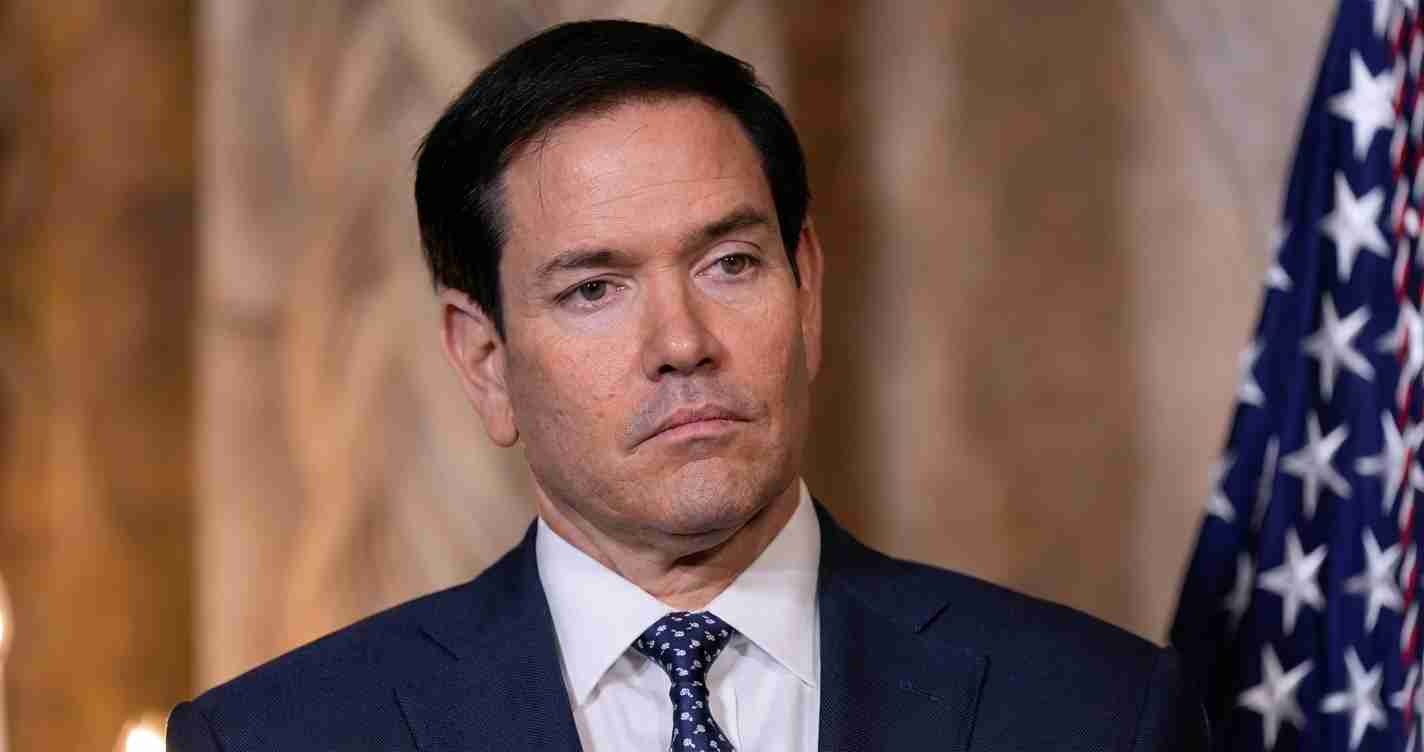
- Policy basis: The action invokes a May visa policy announced by Secretary of State Marco Rubio to bar foreigners “responsible for censorship,” and U.S. officials call this the policy’s first high‑profile enforcement.
- Diplomatic clash: Washington frames the move as defending U.S. free speech from foreign pressure, while European officials and the named NGOs reject the characterization.
Overview
In a notable escalation of a transatlantic dispute over online speech, U.S. officials announced visa bans on five Europeans, accusing them of taking part in what the State Department called “egregious extraterritorial censorship.” The list includes a former EU commissioner credited with shaping the Digital Services Act (DSA) and leaders of NGOs active on content moderation and disinformation. Reporting draws on coverage by Euronews and Le Monde.
Who was banned and why
U.S. officials named five individuals and tied specific actions to the visa decisions. Below are summaries of the named figures and Washington’s stated reasoning, alongside each organisation’s response.
Thierry Breton
Role: Former EU commissioner for the internal market (2019–2024) and a principal architect of the Digital Services Act (DSA).
U.S. allegation: Officials point to an August 2024 letter Breton sent to Elon Musk reminding X of DSA obligations and subsequent formal proceedings over alleged noncompliance; Washington says such pressure and enforcement actions constitute extraterritorial coercion of U.S. platforms.
Response: Breton rejected the charge, calling the move a “McCarthy‑style” attack and noting broad EU democratic support for the DSA. Sources: Euronews, Le Monde.
Imran Ahmed (CCDH)
Role: Chief executive of the Center for Countering Digital Hate (CCDH), a U.K.‑based NGO focused on hate speech and disinformation.
U.S. allegation: Officials say CCDH pressured platforms to remove or demote content, a practice Washington now ties to the visa bar on those deemed responsible for censoring American speech.
Response: CCDH rejects the allegation and says its work targets hate and harm, not lawful U.S. speech. Reporting: Euronews.
Clare Melford (Global Disinformation Index)
Role: Leader of the Global Disinformation Index (GDI), which scores websites and advises advertisers about disinformation risk.
U.S. allegation: Officials say reputational and commercial pressure from organisations like GDI can lead platforms and advertisers to suppress content affecting American users.
Response: GDI says its work aims to protect the public from harmful lies and denies it targets lawful U.S. speech. Source: Le Monde.
Anna‑Lena von Hodenberg & Josephine Ballon (HateAid)
Role: Leaders at HateAid, a German nonprofit supporting victims of online hate and advocating tougher action on violent and abusive content.
U.S. allegation: Officials say HateAid’s campaigns contribute to cross‑border pressure on platforms; Washington frames such campaigns as part of the pattern the visa policy targets.
Response: HateAid disputes the characterization and stresses it operates under German law to protect people from abuse. Source: Euronews.
Legal and policy basis
The action rests on a State Department policy announced in May by Secretary of State Marco Rubio, which creates a route to deny visas to foreigners it deems “responsible for censorship” of Americans. Officials have said enforcement could extend beyond high‑profile figures to include tech workers involved in content moderation, according to memos and European reporting. U.S. officials, including Under Secretary Sarah Rogers, described the step as defending U.S. free speech against foreign pressure. (See reporting in Le Monde.)
Triggering events and the U.S. narrative
Washington points to the DSA and recent enforcement actions as central to the dispute. In early December the EU fined X €120 million over alleged DSA violations related to advertising transparency and verification systems; U.S. officials characterized that fine and other regulatory steps as pressure on American tech and part of a trend that can affect U.S. speech. High‑profile U.S. politicians had previously accused European regulators of bullying platforms into suppressing certain viewpoints. Sources: Le Monde, Euronews.
European and NGO responses
European officials have rejected Washington’s framing. For example, France’s foreign minister Jean‑Noël Barrot called the bans “strongly condemnable,” emphasized the DSA’s democratic adoption by the European Parliament and member states, and argued the law lacks extraterritorial scope. The European Commission has dismissed claims that the DSA is a censorship tool. The three NGOs named — CCDH, GDI and HateAid — deny the U.S. allegations and say their work fights hate, extremism and disinformation within legal frameworks. (Reporting: Euronews; Le Monde.)
“The DSA was democratically adopted and is not a censorship instrument,” said EU officials responding to Washington’s announcement.
Broader context: a US‑EU clash over speech and sovereignty
Experts frame the dispute as a deeper battle over who sets the rules for global platforms. Washington warns of a “censorship‑industrial complex” that could chill U.S. speech, while Brussels says it enforces its laws so illegal online content is treated like illegal offline conduct. Established cross‑border cooperation on fact‑checking and research could be affected; the International Fact‑Checking Network warned the visa policy might hamper collaboration and deter experts from working with U.S. institutions.
Implications for San Luis Obispo, California
Local communities such as San Luis Obispo may face tangible impacts across economic, political and social lines. Below are specific implications for the region’s institutions and residents.
Economic impact
San Luis Obispo’s tech startups, academic researchers and digital media scene often partner with European experts. Restrictions and higher visa risk for visiting scholars could slow partnerships, complicate grants, and affect firms that work with European platforms or advertisers.
Political consequences
City and county leaders who host technology policy events or maintain EU ties may face diplomatic friction or an increased need to offer virtual formats. The dispute could surface as a talking point in local races, with constituents pressing representatives on how to balance free expression and platform safety.
Social effects
Nonprofits and community groups working on hate speech, domestic violence, or online safety could lose access to European training or tools if experts are deterred from travel, slowing local efforts to support victims and train moderators.
Cultural relevance
San Luis Obispo values open academic exchange. Universities such as Cal Poly may need to weigh international speakers and partnerships with increased scrutiny and contingency planning for travel restrictions.
Practical applications
- Local tech firms should consider new compliance checks when working with European partners.
- Event organizers are advised to prepare virtual options and legal reviews for international speakers.
- Civic leaders may request briefings from legal and policy experts to adapt institutional practices.
Reporting note
This article draws on reporting from Euronews and Le Monde, which detail the State Department announcement, the named individuals and the broader diplomatic fallout.