Alaskan Climber Balin Miller Dies After Fall From Yosemite’s El Capitan During Livestream
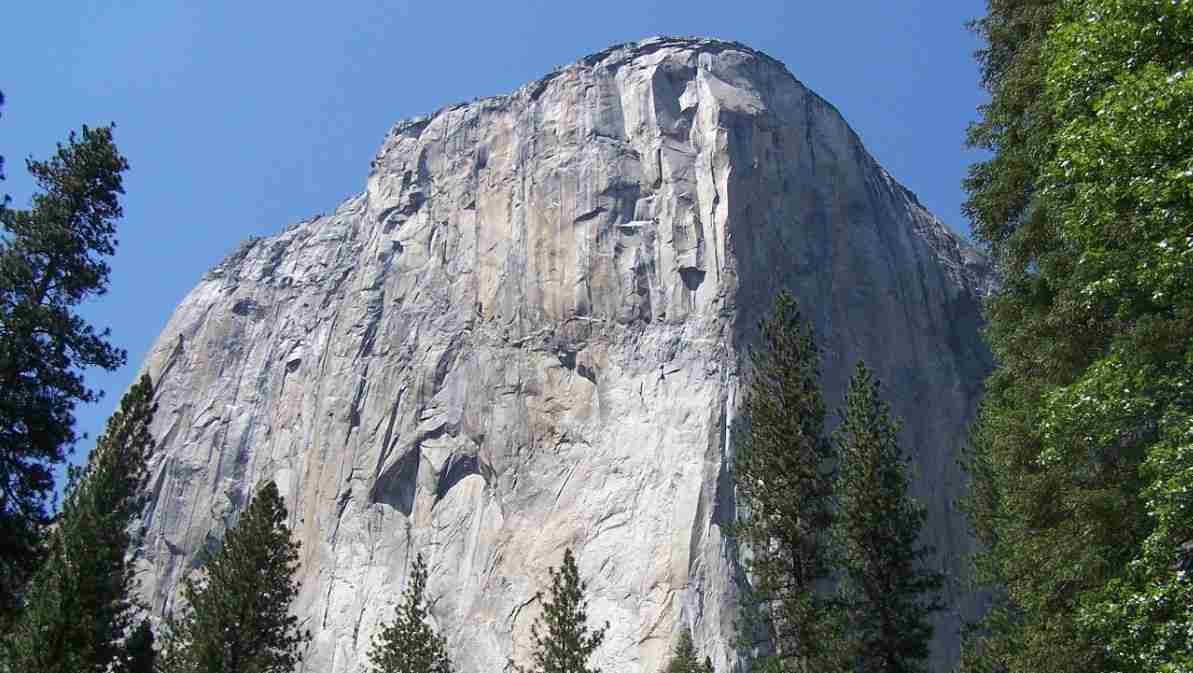
Balin Miller, a 23-year-old Alaskan climber, died October 1, 2025 after falling from El Capitan in Yosemite National Park during a livestreamed ascent. Investigations are ongoing into the circumstances, safety practices and possible equipment failures.
- Balin Miller, 23, died on October 1, 2025 on El Capitan in Yosemite National Park during a livestreamed climb.
- Reports indicate he was on the Sea of Dreams route and using lead rope soloing techniques.
- Video circulated online; family and some reports suggest he may have fallen while hauling gear or rappelling and “rappelled off the end of his rope.”
- The National Park Service and local authorities are investigating; the incident occurred amid a federal shutdown that reduced some park services.
The fall and immediate response
Eyewitness and livestream footage show Miller ascending the nearly 3,000-foot granite face of El Capitan. Reports state he was practicing lead rope solo techniques on the Sea of Dreams route (about 2,400 feet). Lead rope soloing allows a climber to ascend alone while attached to a rope system and requires meticulous rigging and continuous attention to anchors and rope length.
Park rangers and emergency teams responded to the scene despite staffing changes that day. Yosemite remained open during the federal shutdown, though some visitor centers and services were reduced. Officials have said they are reviewing footage, witness statements and gear to determine the exact sequence that led to the fall.
Family, friends and the climbing community
Family members remembered Miller as someone who climbed for the love of the sport — known for humor, intelligence and a candid social-media presence. His mother and brother highlighted his passion and the way he shared climbs without seeking sponsorship or celebrity attention (Fox News; family statements).
“He climbed for the joy of it,” family members said, and they urged followers to honor his memory by focusing on safer practices.
Tributes poured in across social platforms. Many remembered him as the “orange tent guy” and credited his raw, unvarnished content with inspiring younger climbers and emphasizing a grassroots approach to big-wall projects.
Livestream climbing death: risks and scrutiny
Miller’s final climb was livestreamed and the recording circulated widely after the accident (ABC30; livestream footage). Safety experts note livestreaming can introduce real-time audience pressure and alter risk calculations on routes where margins are small.
Technical errors on big-wall climbs include misjudging rappel length, failing to lock a rappel properly, or mistakes in temporary anchor placement. Miller’s brother suggested the possibility that Miller “rappelled off the end of his rope” after hauling gear — an error that has been fatal in other incidents — though investigators have not yet confirmed the cause (Fox News).
Yosemite safety and National Park Service operations
Miller’s death is the third fatality at Yosemite this summer, intensifying discussion about climbing safety and how park operations respond during staffing disruptions. National Park Service officials confirmed rangers and emergency personnel responded and are examining whether reduced staffing affected response or oversight (ABC News).
Yosemite is both a popular destination and a training ground for elite alpinists. Local groups and park officials have long promoted education, route information and voluntary reporting systems; Miller’s death has renewed calls for clearer guidance on solo techniques and rappelling safety.
Background on Miller’s climbing profile
Miller built a following through candid videos of big-wall life and notable ascents, including a significant push on Denali’s Slovak Direct route. He favored honest, grassroots content over polished sponsored posts, which resonated with many younger climbers (ABC News; Fox News).
Investigations and possible outcomes
The National Park Service and local authorities are reviewing video, witness accounts and equipment. Investigators will examine rope rigging, anchor placement, rappel device usage and any possible equipment failure. The inquiry could yield recommendations or renewed educational efforts, especially about solo techniques and streamed ascents (video evidence).
Implications for San Luis Obispo, California
Economic: Local guide services, gear shops and outfitters connected to Yosemite trips may see increased demand for safety clinics and gear checks. Businesses that provide shuttles or guides could be affected if regulations or advisories change.
Political: The accident’s timing during a federal shutdown may prompt questions from San Luis Obispo residents and officials about park funding, staffing and the impact on visitor safety.
Social and cultural: Local outdoor communities may respond with workshops, mentorship emphasis and renewed focus on conservative decision-making that balances adventure with stewardship.
Practical recommendations for residents:
- Refresh rappelling and partner-check skills before multi-pitch or solo attempts.
- Avoid solo lead techniques unless you are highly experienced and carry redundant systems.
- Inform friends or family of detailed plans and expected check-in times.
- Carry and test reliable communication and tracking devices when possible.
- Attend local clinics offered by guides and university programs to review gear rigging and Yosemite safety.
Reporting note and sources
This article draws on reporting and publicly available video from multiple outlets and family statements:
Note: All original facts, phrasing and source URLs from the reporting have been preserved and are linked above for reference.