Uber unveils driverless robotaxi — Lucid-built, Nuro-powered vehicles begin public-road testing in the Bay Area as company eyes San Francisco launch in 2026
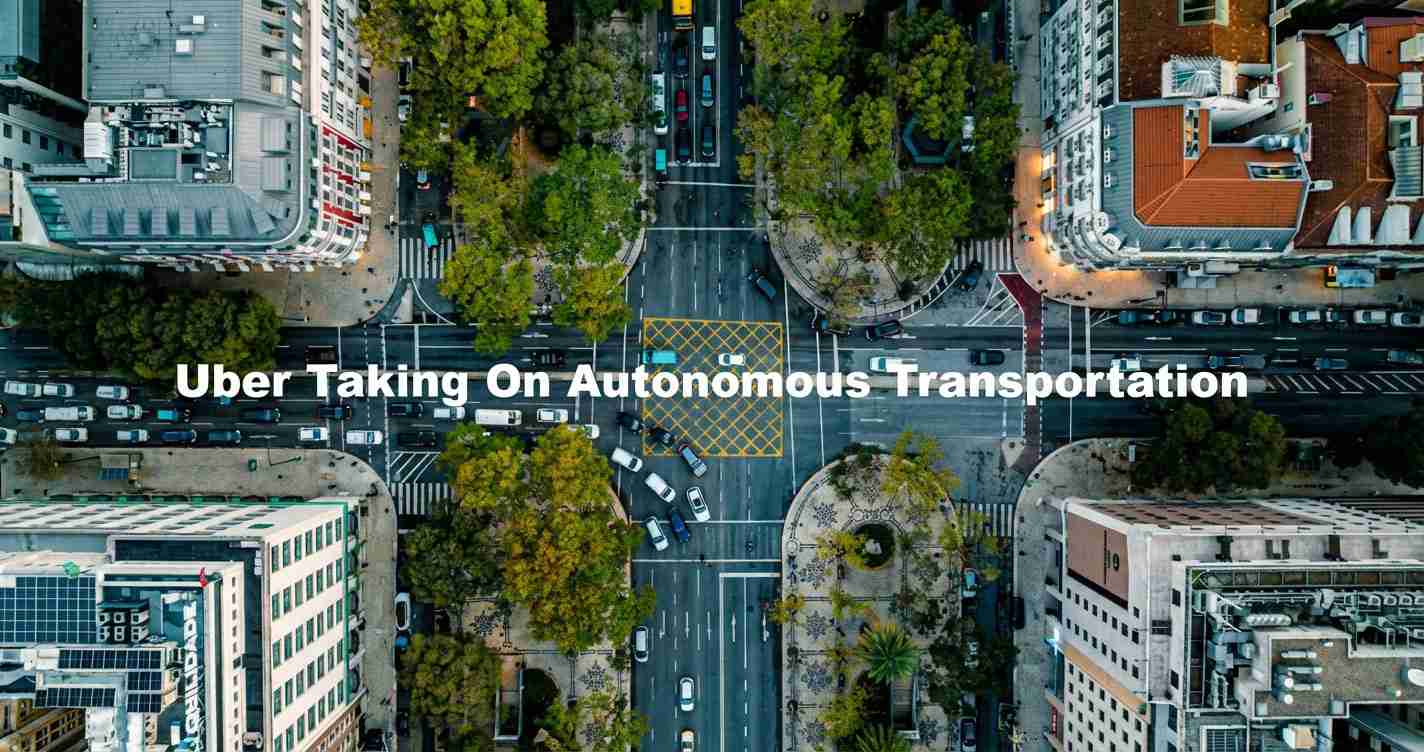
Uber unveiled a production-intent driverless robotaxi built on Lucid’s Gravity SUV with Nuro’s Level 4 system; prototypes are testing on San Francisco Bay Area public roads, with a planned Uber app launch in San Francisco later in 2026.
Key takeaways
- Production-intent robotaxi: A collaboration where Lucid provides the Gravity SUV platform and Nuro supplies the Level 4 autonomy, with Uber operating the service exclusively through its app.
- On-road testing: Engineering prototypes have been on public roads in the San Francisco Bay Area since December 2025 under human safety supervision.
- Planned launch: Uber targets a San Francisco public launch later in 2026, pending regulatory approvals and continued validation.
- Premium positioning & scale: The vehicle is designed for group and airport trips and is positioned to compete with incumbent operators such as Waymo and Zoox.
What Uber showed and why it matters
At CES 2026 in Las Vegas, Uber, Lucid and Nuro revealed a finished robotaxi intended for city service rather than demonstration labs. The design is based on the Lucid Gravity all-electric SUV — a roomy platform with two- or three-row seating and space for luggage, aimed at groups and airport trips (Chauffeur Driven).
Why it matters: the vehicles are already operating in real traffic in the Bay Area — a step from closed-course testing toward scalable, driverless ride-hail service run only through the Uber app. Uber positions this as a premium, scalable competitor to established local operators like Waymo and Zoox (PR Newswire).
Technology and safety setup
Nuro provides the Level 4 autonomous stack and leads testing and safety validation. During Bay Area trials the engineering prototypes are supervised by human safety drivers and use a comprehensive sensor suite: high-resolution 360° cameras, solid-state lidar, radar and a low-profile roof-mounted “halo” module with integrated LEDs to communicate status to other road users (SFist; PR Newswire).
The compute platform is NVIDIA DRIVE AGX Thor, enabling real-time AI processing for perception and planning. That ties into a broader Uber–NVIDIA partnership announced in 2025, which set an ambitious target of deploying 100,000 robotaxis globally by 2027 — a signal of the scale envisioned for autonomous ride-hailing (Chauffeur Driven).
Inside, the cabin emphasizes rider experience and transparency: a large 34‑inch curved OLED dashboard and interactive screens let riders control climate and seat heaters, request support or a pull-over, choose music and view real-time visualizations of what the vehicle “sees” and its intended path.
Partners and manufacturing
Lucid Group supplies the Gravity SUV platform, designed for long range and passenger comfort; Lucid expects production to begin at its Arizona factory later in 2026 (Chauffeur Driven).
Nuro delivers the autonomous driving system and leads safety validation during public-road testing. Uber handles the customer-facing product and integration into the Uber app (PR Newswire).
Testing timeline and regulatory caveats
Public-road testing began in December 2025 with safety drivers onboard. The companies emphasize that the move to real-world traffic increases complexity and that wider service depends on continued validation and approvals from regulators (PR Newswire).
Uber plans to roll out the robotaxi in San Francisco later in 2026, pending regulatory sign-offs — entering a market where Waymo already operates hundreds of vehicles daily and Zoox is also active, highlighting the competitive landscape in the region (Chauffeur Driven).
What executives said
Dave Ferguson, Nuro co-founder and CTO, called the unveiling a “significant milestone.”
Sarfraz Maredia, Uber’s head of autonomous programs, described the effort as focused on “affordable and scalable” autonomous rides.
Kay Stepper of Lucid emphasized sustainability, noting the benefits of an all-electric shared robotaxi model.
All statements are forward-looking and subject to ongoing validation and regulatory approvals (PR Newswire).
Implications for San Luis Obispo, California
Economic impact
- Jobs and local business: A San Francisco launch could increase demand for regional service, maintenance and charging infrastructure; while high-level manufacturing and software work may remain with Lucid, Nuro and partners, local fleet-service providers could benefit.
- Tourism and airport links: A robotaxi network connecting airports and hubs could change visitor travel patterns, improving convenience but shifting demand away from local taxi operators.
Political and regulatory consequences
- Local policy choices: City and county leaders may face requests for pilot permissions, curb changes or dedicated pickup/drop-off zones; state agencies (DMV, PUC) and local permits will both play roles.
- Labor and gig-economy implications: The autonomous push raises questions for drivers who rely on app income; local officials may weigh retraining and transition programs alongside economic benefits.
Social and safety effects
- Road safety & public trust: Residents will seek clear data on testing outcomes, incident rates and vehicle behavior on rural two-lane roads and Highway 101.
- Accessibility: Robotaxis could improve mobility for older adults and riders with disabilities if appropriately equipped and supported.
Cultural and environmental relevance
- Sustainability: The all-electric Lucid platform aligns with local goals to reduce emissions and could lower per-trip emissions if it complements public transit.
- Community values: Transparent safety reporting, community meetings and local hiring commitments will influence public reception.
Practical considerations for residents
- How to ride: Initially bookable only via the Uber app in service areas; San Luis Obispo residents should expect rollout to start in San Francisco with no firm Central Coast timeline.
- On-board expectations: Vehicles feature large digital displays, climate control and transparency tools that show what the car perceives and plans to do.
- Local advocacy: Residents can engage city councils and the county board to request pilot guidelines, safety reporting and community benefit agreements.
Reporting notes and sources
This article draws from the companies’ joint announcement and coverage following the CES 2026 reveal. Key sources include the joint press release and reporting:
All details about testing and launch timing are forward-looking and subject to further validation and regulatory approvals.