Appellate Court Denies AG Rob Bonta Appeal, Letting Riverside County Ballot Probe Continue as Legal Fight Escalates
An appellate court on March 27, 2026, denied Attorney General Rob Bonta’s appeal to halt Riverside County Sheriff Chad Bianco’s ballot investigation into November 2025’s Proposition 50, citing improper venue and allowing the contentious probe to continue.
- Venue, not merits: The appellate court refused Bonta’s appeal because the petition was filed in the wrong venue, not on the underlying facts of the dispute.
- Massive ballot seizures: Sheriff Bianco’s office has seized and is counting more than 611,000 ballots as part of a broader review of Proposition 50 results.
- Conflicting counts: County officials put the difference between machine and final counts at about 100 votes, not the tens of thousands alleged by a local group.
- Political and legal ripple effects: The decision escalates a statewide fight over election oversight, with the AG evaluating next steps.
Background: What Proposition 50 was and why the ballots matter
Proposition 50, a November 2025 special-election measure, temporarily redrew California’s congressional maps to respond to partisan gerrymandering in other states. Supporters argued it would shift several GOP-held U.S. House seats to be more favorable to Democrats in the 2026 midterms. The measure passed in Riverside County with more than 56% of the vote; the Associated Press margin in the county was reported at about 82,570 votes.
Why the sheriff acted: complaint and count
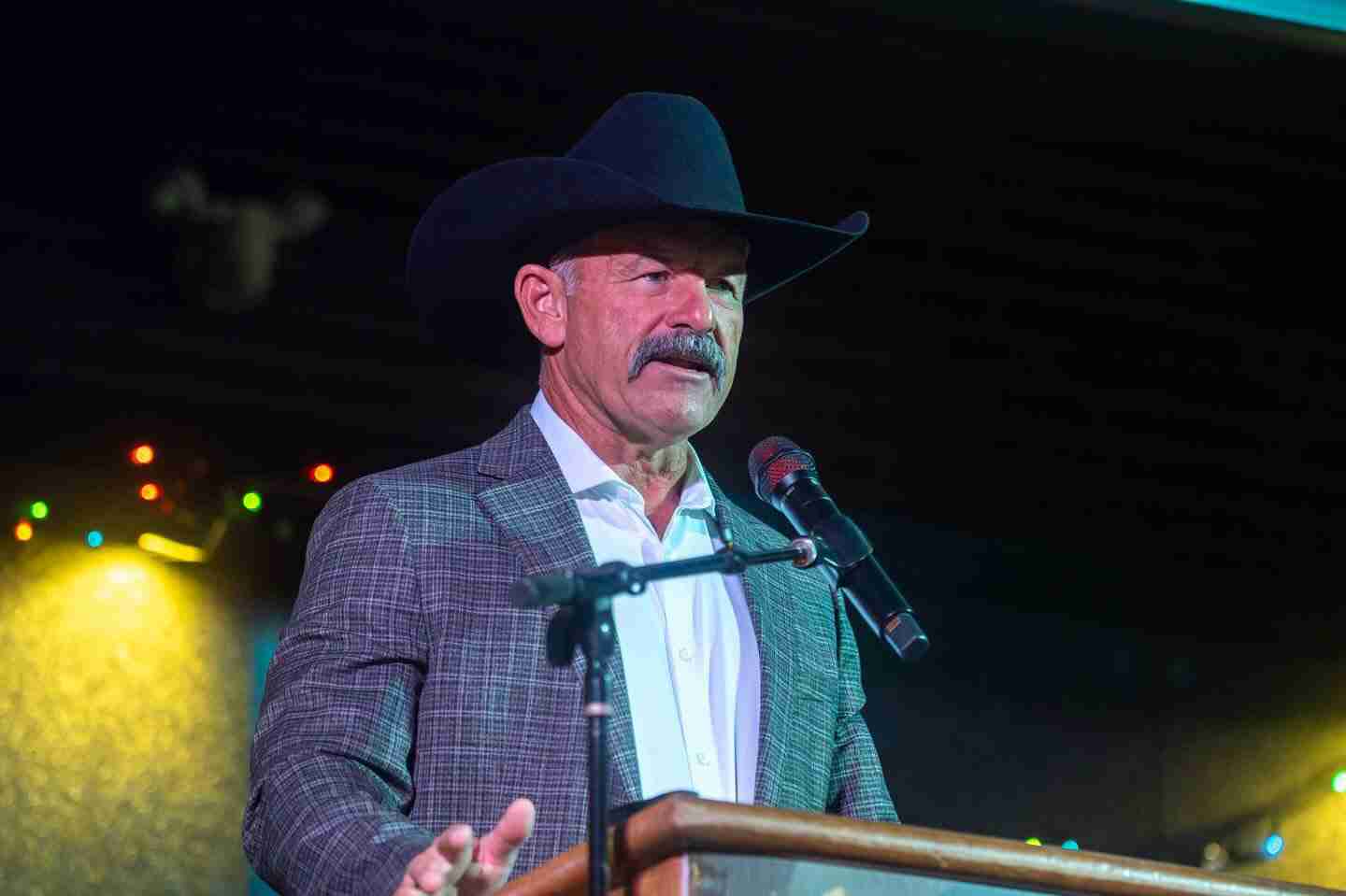
Sheriff Chad Bianco, a Republican and gubernatorial candidate, says his office opened the probe after a complaint from the Riverside Election Integrity Team claiming reported votes exceeded ballots received by roughly 45,800. Bianco described the effort as a “fact-finding mission” to physically count ballots and compare them to reported totals: “This investigation is simple: Physically count the ballots and compare that result with the total votes reported.”
County election officials and neutral experts dispute that claim. The Riverside Registrar of Voters reported the difference between machine counts and final counts submitted to the state was about 100–103 votes and pledged to comply with lawful court orders while protecting election procedures.
Ballot seizures and ongoing counting
Scope: Bianco’s office has seized more than 611,000 ballots — part of roughly 650,000 ballots first taken under sealed warrants in February and another 426 boxes removed on March 24 — and said it will perform a physical count to compare with state-reported totals.
The sheriff’s office describes the action as necessary to verify public results; critics say the operation risks politicizing election administration and undermining public confidence.
Legal fight: venue decision and next steps
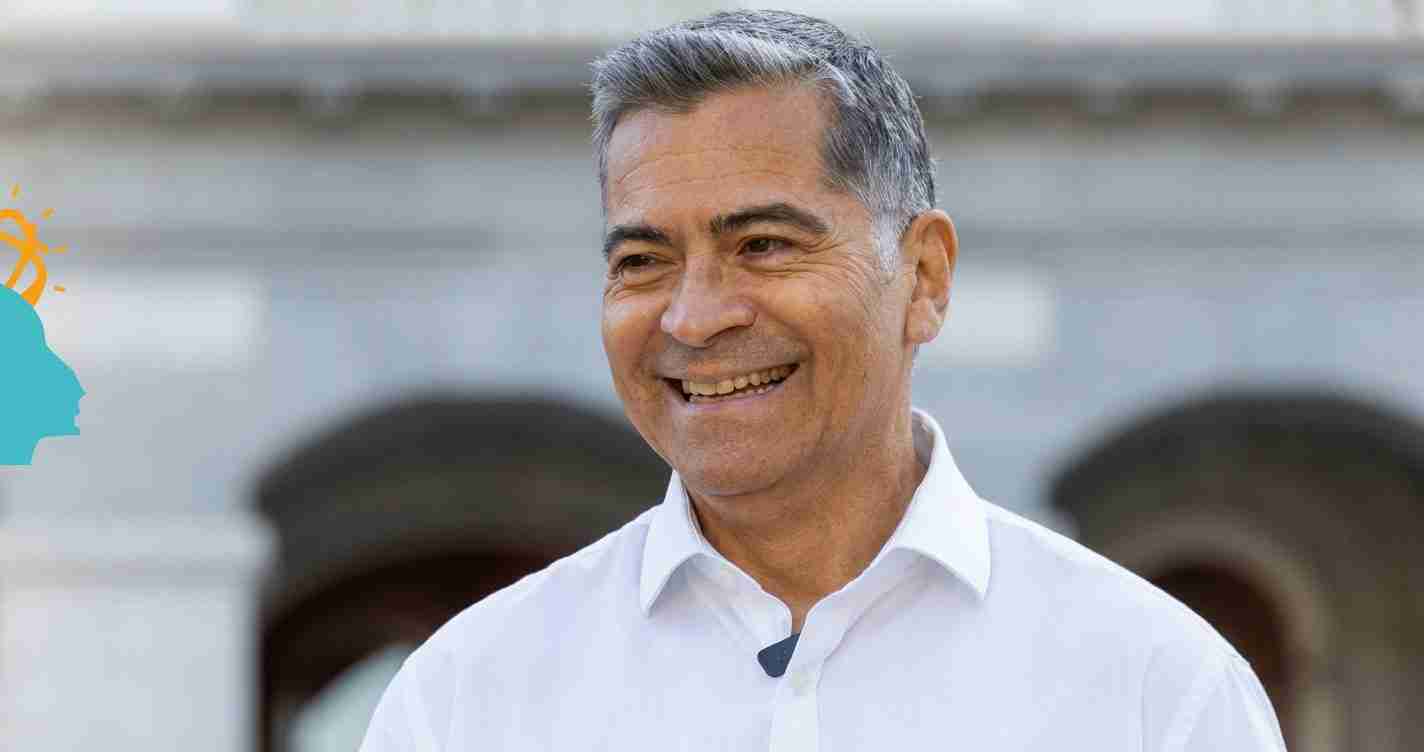
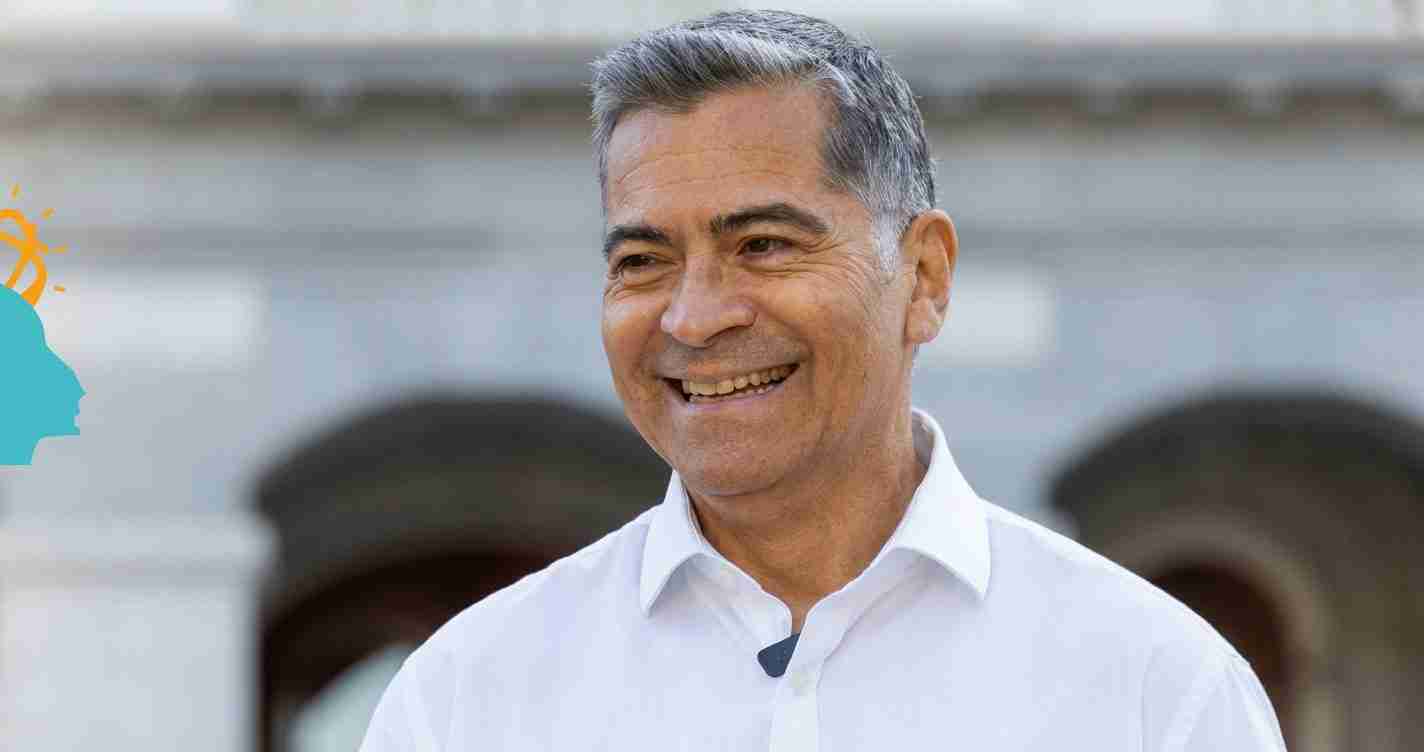
Attorney General Rob Bonta sought an expedited order to stop the sheriff’s counting, arguing the seizures lacked probable cause and flouted state authority over statewide law enforcement matters. A Riverside County Superior Court judge denied the AG’s request and appointed a special master to help oversee any ballot counting. On March 27, 2026, an appellate court denied Bonta’s appeal — explicitly on procedural venue grounds rather than the merits — leaving the lower-court process intact while the AG’s office evaluates further options.
“The appellate ruling was about venue and not the merits,” Bonta’s office said, emphasizing that the decision does not change its view that the sheriff lacks probable cause and may be violating state law and the California Constitution.
Official responses and wider reactions
Attorney General Rob Bonta: The AG’s office stressed the appellate ruling focused on venue and maintained concerns about probable cause and constitutional compliance; it said it is evaluating next steps.
Sheriff Chad Bianco: Bianco and his campaign defended the probe and blamed media and political opponents for mischaracterizing the effort. In a written statement, his office said: “Shame on you, the media, for believing an attorney general with a history of lying…This is simple, we are counting ballots, not yes and no votes.”
Secretary of State Shirley Weber and election experts: Weber called the large-discrepancy claims baseless and warned such actions risk undermining public trust; experts cautioned that law-enforcement-led ballot handling can mirror unfounded claims in other states and fuel distrust.
Local officials: The Riverside Registrar disputed the alleged tens-of-thousands discrepancy and said it will follow lawful court orders while protecting chain-of-custody and ballot security procedures.
Broader context: echoes of past claims and expert concern
Observers note similarities to unfounded post-2020 claims in other states. Election-administration experts emphasize that specialized election officials and courts — not county sheriffs acting unilaterally — typically handle disputed vote tallies. Critics warn that actions tied to political campaigns can deepen public distrust even when evidence of widespread problems is lacking.
Politics and timing
Bianco, a supporter of former President Trump and a current gubernatorial candidate polling around 11% in recent surveys, insists the probe is unrelated to his campaign and framed it as a duty to investigate alleged crimes in Riverside County. Opponents characterize the timing and high-profile nature of the seizures as politically charged.
Implications for San Luis Obispo County
Economic impact: If the legal fight expands statewide or demands additional law-enforcement resources, counties including San Luis Obispo could face higher legal and staffing costs. Extended controversy could also affect visitor perceptions and short-term tourism.
Political and social effects: Local officials may need to reaffirm procedures and engage the public to maintain trust. Community groups may host forums to explain ballot handling, which could increase civic engagement but also heighten partisan debate.
Practical guidance for residents: County election officials should make chain-of-custody and ballot-tracking information available. Residents can monitor state court filings, contact their registrar or county supervisors, and attend public briefings to ask questions and seek transparency.
Reporting and sources
This article draws on reporting and statements from multiple news organizations and public offices. Key sources include:
Reporting note: Key dates and figures in this story are drawn from the above reports and statements by state and local officials.