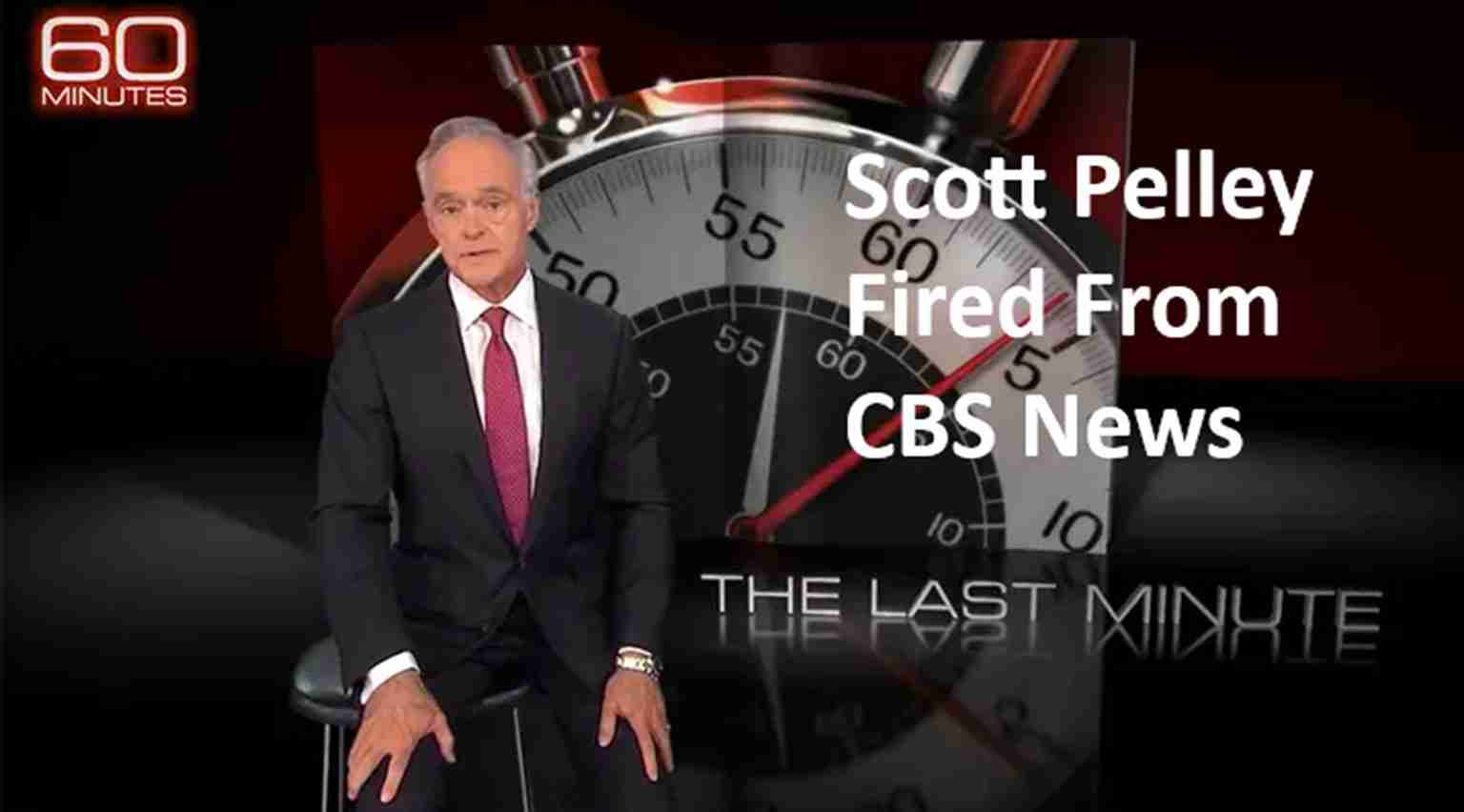
Scott Pelley CBS News dispute over “combat” remarks deepens rift at 60 Minutes
Scott Pelley clashed with CBS News leadership over editorial changes at 60 Minutes, criticizing Bari Weiss’s direction and staff cuts. Claims he was fired remain unverified; debate over his statements that he’d been “in combat” has sparked public backlash.
- Editorial clash: Internal accounts describe a heated meeting and disagreement over control of 60 Minutes, staffing moves, and Bari Weiss’s leadership.
- Firing unconfirmed: Available reporting does not independently verify a formal Tuesday firing for Scott Pelley; sources describe an abrupt departure and unresolved dispute.
- Combat phrasing under scrutiny: Pelley’s claim of having been “in combat” generated backlash; reporting confirms war-zone reporting but not military service or combat as a service member.
- CBS response: CBS News denied political interference, calling the exchanges normal newsroom back-and-forth rather than an ownership directive.
What the reporting shows
Available reporting and internal footage indicate a major editorial clash inside CBS News focused on 60 Minutes coverage and staffing. According to those accounts, longtime correspondent Scott Pelley confronted leadership, accusing Bari Weiss of harming the program and objecting to abrupt dismissals that some staffers called “Black Thursday.”
Multiple outlets that reviewed meeting video and internal exchanges describe raised voices, an inability to find common ground, and a meeting that accelerated Pelley’s exit from the public-facing role. Reports say Weiss asked Pelley for an apology and accused him of creating a hostile work environment; Pelley pushed back, angry about recent staff firings. These details come from internal sources, reporting, and circulated clips rather than a single formal corporate announcement.
What is not confirmed
- No independent confirmation of a formal firing: The material reviewed does not provide an authoritative, independently verified report that Pelley was formally fired on Tuesday.
- Exact phrasing and context: The precise wording and context of Pelley’s reported comment that he had been “in combat in Afghanistan” and “in combat in Iraq” are not independently verified in the sources provided.
- Military service vs. war-zone reporting: Reporting confirms Pelley reported from Afghanistan, Iraq and Ukraine, but does not verify military service or combat as a soldier; the distinction fuels public debate.
The combat-claims controversy
Much of the public reaction centers on semantics and perception. Critics on social platforms accused Pelley of overstating his role in conflict zones—an argument that recalls past high-profile disputes over journalist phrasing. Those social-media reactions include accusations of “stolen valor” from some observers, though they represent opinion and reaction rather than verified reporting.
Context: Pelley, who began at CBS News in 1989, is a veteran broadcast journalist with extensive war-zone reporting. The reporting available to this news service does not independently verify he served in the military or engaged in combat as a soldier; instead it confirms dangerous assignments and on-the-ground reporting.
Editorial control and accusations of bias
Alongside wording concerns, Pelley reportedly accused leadership of ordering him to inject bias into 60 Minutes reporting after Bari Weiss assumed control. CBS News responded with a statement denying political interference and characterizing the exchanges as routine editorial back-and-forth.
“There is no political interference at CBS News, not from ownership, not from Bari Weiss. The only interference is the normal back and forth between editor and correspondent that happens in every newsroom.” — CBS News spokesperson, as reported
These competing claims—assertions of editorial pressure versus normal newsroom debate—remain matters of allegation without publicly available evidence of a systematic directive.
Media comparisons and past context
Commentators invoked the Brian Williams controversy from 2015 as a parallel: that earlier episode involved statements implying direct combat experiences that Williams later acknowledged were inaccurate. The current dispute differs given Pelley’s long career and documented reporting, but the central question is whether language misrepresented his role to the public.
Source notes and reporting limits
This article relies on reporting and publicly shared material that describe internal meetings and staff reactions. The specific accounts of the meeting and Pelley’s remarks come from internal footage and reporting sources that include a Fox News opinion piece and video coverage of internal meeting clips. Those items provide detail but do not constitute an official CBS corporate statement confirming a firing.
Implications for San Luis Obispo, California
Economic and business impact: Local media businesses in San Luis Obispo are unlikely to see immediate economic effects from the dispute, though national programming shifts at 60 Minutes could influence advertising and viewer habits over time. Smaller outlets may pick up the controversy for commentary, modestly boosting local traffic during intense coverage cycles.
Political consequences: San Luis Obispo’s moderate electorate values balanced reporting; the episode may prompt local conversations about media trust and accountability. Local officials and candidates could comment to signal support for press standards or editorial oversight, depending on constituents’ views.
Social and community effects: The dispute could spark local discussions about how journalists describe dangerous assignments and how such descriptions relate to military service. Veterans groups and military families may scrutinize language and prompt local newsrooms to be more cautious.
Cultural relevance & practical effects: Residents who follow public-affairs programming may view this as part of a broader debate over media credibility. Local civic groups, university journalism programs, and community forums might use the episode as a case study on ethics and newsroom leadership; for most residents, the story will register primarily as a national media event.
Reporting status and what remains to be verified
Current reporting supports that Scott Pelley publicly clashed with CBS leaders and that the meeting and staffing changes escalated tensions at 60 Minutes. What remains unverified is a formal, documented firing announcement tied to the Tuesday timeline and independent confirmation of the exact phrasing and intent behind Pelley’s reported “combat” statements. Additional reporting from CBS News, Pelley, or independent records would be needed to resolve those points.
Sources
- Fox News opinion and reporting
- Video coverage of internal meeting reporting
- CBS News spokesperson statement provided to media (as reported).