Texas National Guard deploys about 200 troops to Illinois for 60-day federal protection mission amid Chicago anti-immigration protests
Approximately 200 Texas National Guard troops have arrived in the Chicago area for a 60‑day federally authorized protection mission to safeguard federal property and personnel amid anti‑immigration protests, drawing sharp criticism from Illinois and Chicago officials.
Key takeaways
- About 200 troops deployed to the Chicago area for a 60‑day federal protection mission (sources: Stars and Stripes, Military Times, Fox News).
- Mission focus: protect federal property and personnel near sites such as ICE facilities, per Pentagon statements (source: Fox News).
- State and city pushback: Illinois Governor JB Pritzker and Chicago Mayor Brandon Johnson have challenged the deployment in court (sources: Military Times, Sky News).
- Broader implications: legal challenges, potential escalation of tensions, and ripple effects in communities outside Illinois, including San Luis Obispo.
Overview
Approximately 200 Texas National Guard members have been deployed to the Chicago area to support a federally authorized protection operation. The Pentagon confirmed the assignment is for 60 days and says the mission is to safeguard federal functions, personnel and property in the face of intense protests.
Deployment details and mission scope
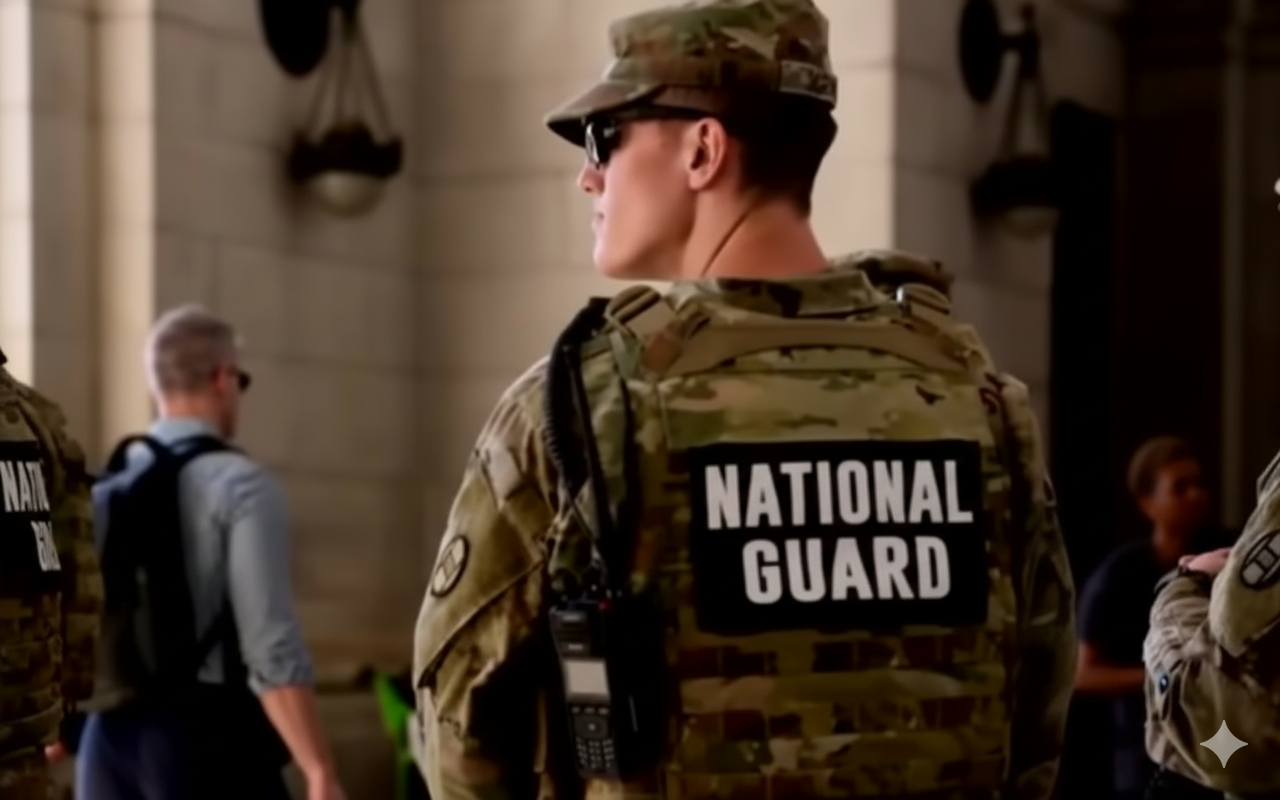
Troops began staging at an Army Reserve center south of Chicago and could appear on city streets within days, officials said. The force was seen in uniform at the Army Reserve Training Center in Elwood, southwest of the city (sources: Stars and Stripes, Military Times, Sky News, YouTube video).
The Pentagon described the operation as supporting the “Federal Protection Mission.” Officials said the move aims to protect federal facilities that have been focal points of protest activity, including a U.S. Immigration and Customs Enforcement (ICE) center in Broadview, a Chicago suburb (sources: Stars and Stripes, Fox News).
Why the deployment now: federal rationale and risks
Federal officials say the deployment responds to recent clashes between protesters and federal agents. Law enforcement reports and video accounts documented incidents in which some demonstrators boxed in or rammed vehicles near federal personnel, raising safety concerns. The Department of Homeland Security also announced plans to send additional special operations personnel to reinforce federal agents (source: Fox News).
“Critics say the deployment risks escalating tensions,” and point to rhetoric calling for military presence in cities as a show of force.
President Donald Trump has characterized cities like Chicago as “dangerous” and suggested using troops as a show of force, even raising the possibility of invoking the Insurrection Act — comments that have heightened concerns among local leaders and civil liberties groups about political motives and limits on domestic military use (sources: Stars and Stripes, Military Times, Sky News).
State and city pushback: legal and political fight
Illinois leaders have pushed back strongly. Governor JB Pritzker described the deployment as political theater, while Chicago Mayor Brandon Johnson labeled the operation “illegal, unconstitutional, dangerous and wrong,” criticizing the federal government for insufficient coordination with local officials (sources: Military Times, Fox News).
Illinois and the City of Chicago filed a lawsuit seeking to block the deployment. A federal judge has scheduled a hearing but permitted the operation to proceed while the court considers the case — a legal path similar to disputes in other states over federal deployments of military or National Guard forces (sources: Military Times, Sky News).
On the ground: protests and federal presence
Protests continue in neighborhoods with large immigrant communities. Demonstrators have rallied near the Broadview ICE center and other sites to oppose federal immigration actions they say target families and those seeking safety. Some demonstrations have led to arrests and tense confrontations with federal agents (sources: Fox News, Sky News, YouTube video).
Images of Texas Guard troops in formation at the Elwood reserve center, and online AI-generated images featuring military themes and President Trump, have inflamed public sentiment and raised concerns that such imagery can feed fear and confusion in already tense communities (source: Sky News).
Federal and state leaders respond
Supporters defend the move. Texas Governor Greg Abbott and the Trump administration said the deployment is necessary to protect federal agents and enforce federal laws, framing it as a lawful use of federal authority to secure federal property and personnel during unrest (sources: Fox News, Sky News).
Legal experts note that key questions include whether proper procedures were followed and whether using out‑of‑state National Guard troops conforms to legal bounds. Courts will weigh constitutional limits on military involvement in domestic affairs and whether local and state officials were properly consulted (sources: Military Times, Stars and Stripes).
Implications for San Luis Obispo, California
Although the deployment is centered in Illinois, the operation has broader effects for communities nationwide. Local officials and residents in places like San Luis Obispo may see economic, political and social ripple effects:
- Economic impact: national headlines and perceived unrest can deter visitors and affect tourism and downtown businesses.
- Political consequences: local leaders could face pressure to clarify cooperation with federal immigration actions and policies.
- Social effects: immigrant families and university communities may experience increased anxiety, creating demand for legal aid, counseling and public forums.
- Practical steps: local law enforcement and nonprofits are advised to review policies, prepare outreach, and hold town halls to inform residents.
Reporting and next steps
The situation remains fluid. The federal judge’s hearing on the lawsuit filed by Illinois and Chicago officials will be closely watched. The Pentagon has set the mission timeline at 60 days, but legal rulings or policy changes could alter that schedule. The troop presence is already visible at the reserve center south of Chicago, and demonstrations around ICE facilities continue (sources: Military Times, Stars and Stripes, Fox News, Sky News).
Sources
Reporting from Times Media Service