Trump administration reinstalled Albert Pike statue on National Mall, reigniting debate over Confederate monuments
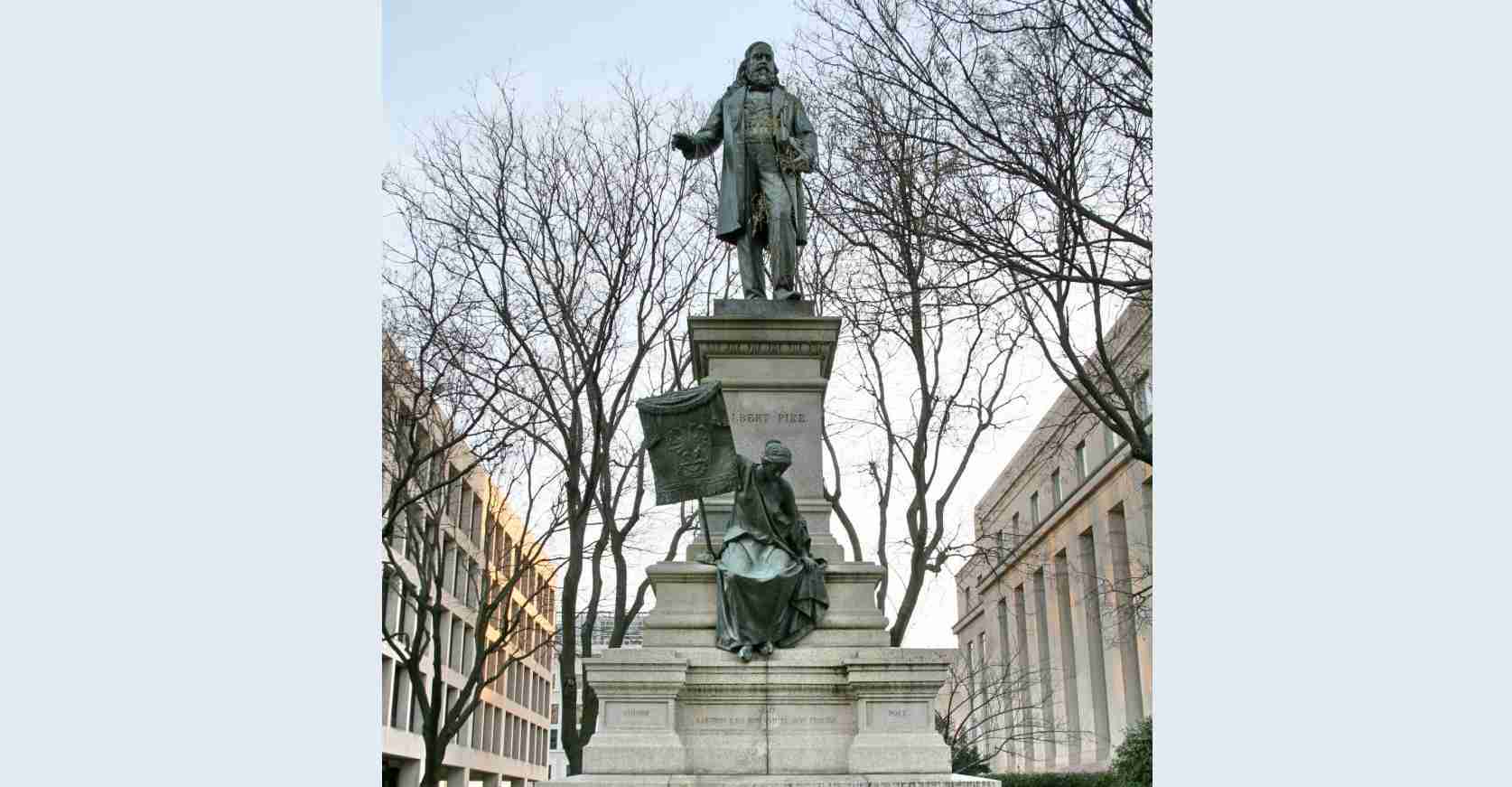
The Trump administration directed the National Park Service to reinstall the controversial Albert Pike statue on the National Mall near Judiciary Square in October 2025, returning the toppled Confederate monument and reigniting national debates over monuments and memory.
- The National Park Service returned the Albert Pike statue to Judiciary Square in October 2025 under directives from the Trump administration (National Parks Traveler).
- The monument had been pulled down, spray-painted and partially set on fire during June 2020 Black Lives Matter protests.
- The reinstallation has reignited debate over Confederate monuments, federal authority over public space, and how history is commemorated.
- Localities such as San Luis Obispo may see civic, cultural and political ripple effects, from campus engagement to calls for local policy reviews.
What happened: the statue’s removal and reinstallation
The Albert Pike statue is a bronze monument honoring a 19th-century Confederate general and prominent Freemason. In June 2020, amid nationwide protests over police violence and racial injustice, demonstrators in Washington, D.C., pulled the statue down using ropes. Witnesses reported the monument was defaced with graffiti and partly burned before authorities removed the remains from the site — events that were part of a broader wave of statue removals and topplings across the country in 2020.
According to National Parks Traveler, the National Park Service returned the statue to its place near Judiciary Square over a weekend in October 2025 under directives from the Trump administration. The reinstallation was completed quietly over a short period, prompting immediate public attention and criticism.
“The move was made under directives from the Trump administration to restore the monument to its original location,” per reporting by National Parks Traveler.
Why this matters
Albert Pike’s history intersects two sensitive subjects in national conversation: his role as a Confederate officer during the Civil War and his later prominence in Freemasonry. For many, monuments to Confederate figures are seen as symbols that glorify a past rooted in slavery and white supremacy. For others, such memorials are viewed as historical artifacts or organizational heritage that can be contextualized rather than removed.
The reinstallation is notable because it reflects a federal choice about what receives public space on the National Mall — the nation’s most visible civic landscape. The decision aligns with a broader political fight over how the United States remembers and presents its past. Activists and some members of the public criticized the restoration and called for permanent removal, according to National Parks Traveler.
Reactions and renewed debate
The Park Service’s move prompted swift reactions from civil rights advocates and community groups who view Confederate monuments as honoring a legacy of slavery and racism. While publicly available reporting did not include direct quotations from specific federal officials or activists, critics were noted as being outspoken after the reinstallation.
- Opponents argue public spaces should not display figures whose actions are tied to racial oppression.
- Supporters framed the action as restoration of federal property and historical objects, arguing for preservation and contextualization.
- The debate centers on the balance between preserving artifacts and addressing hurtful symbolism in public memory.
Legal and administrative context
The reinstallation was carried out by the National Park Service. Reporting indicates the action followed directives from the Trump administration to return the monument to its original location. The Park Service, which manages federal lands and memorials, oversees placement and maintenance of statues on federal property. The decision raised questions about:
- Administrative authority — which agencies decide placement and how directives are implemented;
- Public consultation — what process exists for community input on contested memorials;
- Federal role in public memory — how federal agencies resolve disputes over monuments on national property.
Background on Albert Pike
Albert Pike served as a Confederate general during the Civil War and later became a well-known figure in American Freemasonry. Pike’s legacy is complex: while influential in fraternal organizations, his Confederate service and writings make him a flashpoint in discussions about which historical figures merit public commemoration. The statue’s history of controversy is tied directly to these competing aspects of his legacy.
Implications for San Luis Obispo, California
Though the statue sits on the National Mall, national controversies can have local effects. Below are potential impacts and practical steps for residents and institutions in San Luis Obispo.
Economic impact
- Tourism and travel: San Luis Obispo’s tourism base (including Cal Poly visitors and Highway 101 travelers) may not see direct long-term change, but short-term concerns about national unrest or high-profile demonstrations can influence travel plans and weekend visitation.
- Fundraising and donations: Local nonprofits and museums focused on civil rights education might experience increased interest or donations following national attention to monuments.
Political consequences
- Local elected officials could face pressure to state positions or review municipal policies on public art and memorials.
- Council meetings and public hearings may see increased comment from residents calling for policy updates or contextualization of local markers.
Social effects
- Campus and youth engagement: Students and youth groups may organize teach-ins, demonstrations, or panels addressing public memory and racial justice.
- Community relations: Racial justice organizations, faith communities, and civic groups may step up outreach and dialogue efforts to respond to community concerns.
Cultural relevance
- Museums and historical institutions may revisit exhibit narratives and consider contextual signage or partnerships with schools.
- The city could review public-art and memorial policies to clarify criteria for placement, interpretation, and removal.
Practical applications for residents
- Civic participation: Attend city meetings, contact representatives, and engage in public forums to influence local responses.
- Education and dialogue: Use the moment for family and school discussions about the Civil War, slavery, Reconstruction, and how societies remember the past.
- Safety and preparedness: Monitor local authorities for planned demonstrations and possible transit or downtown impacts.
Reporting and sources
This article is based on reporting from National Parks Traveler, which covered the National Park Service’s return of the Albert Pike statue to the National Mall and the statue’s prior toppling and defacement during the 2020 demonstrations. See full coverage at National Parks Traveler.