Democrats Block GOP Bill to Guarantee Federal, Military Pay — Lawmakers Cite Trump Executive Power Concerns
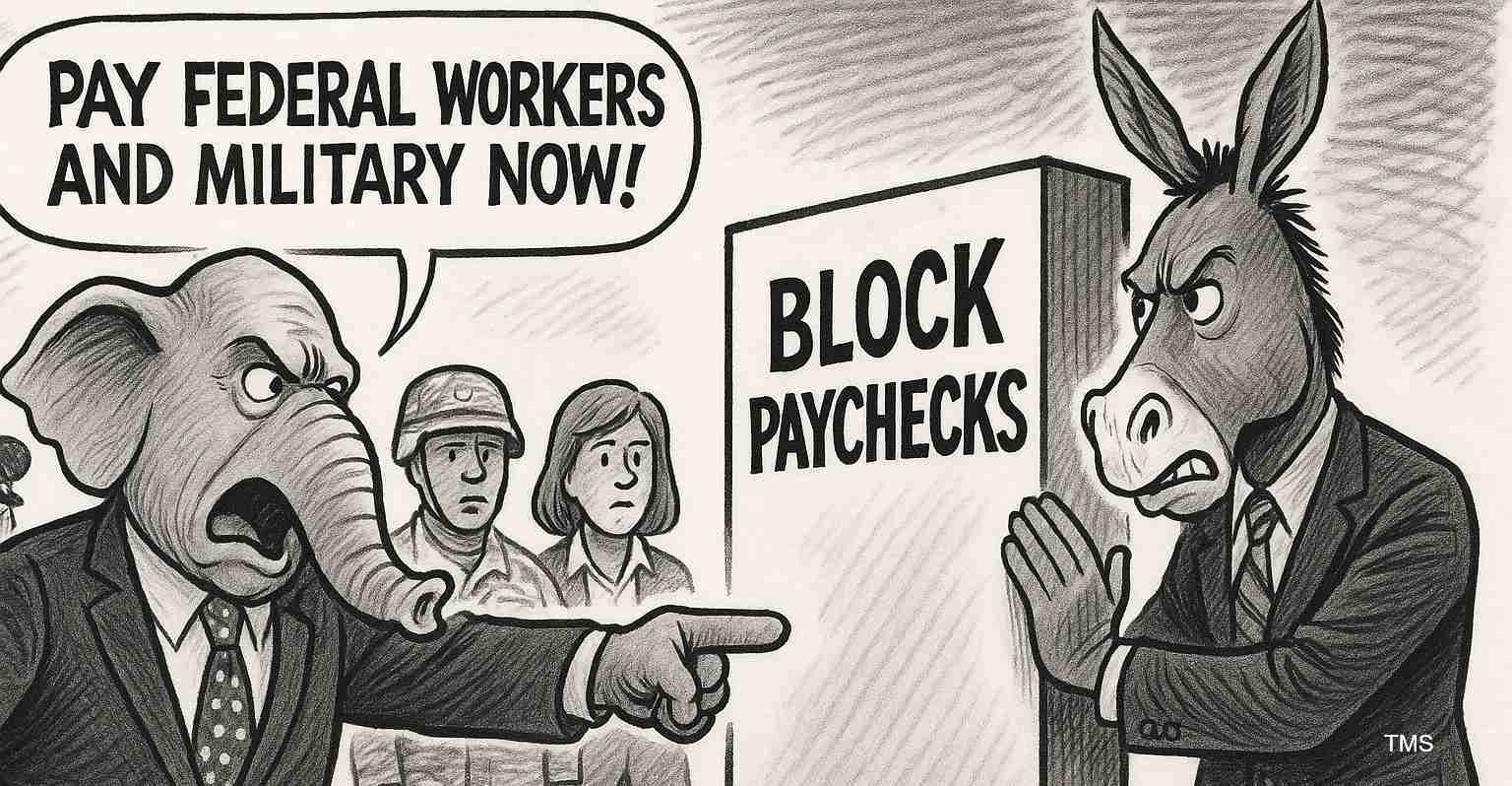
Senate Democrats blocked a GOP-backed bill 53-43 to guarantee pay for federal and military workers during a lingering shutdown, arguing the measure lacked safeguards to prevent potential executive reallocation of funds by President Trump.
- Vote: 53-43 — the measure fell short of the 60 votes needed to advance.
- Sponsor: Sen. Ron Johnson (R-Wis.) — proposed a modified bill to cover both active-duty and furloughed federal workers.
- Democratic objection — the bill lacked restrictions preventing presidential reallocation of funds, raising executive-power concerns.
- Democrats’ alternative — proposed reopening the government plus a one-year extension of enhanced ACA premium subsidies and a bipartisan health-cost committee.
- Shutdown status — the shutdown had entered its 38th day at the time of the vote.
What happened on the Senate floor
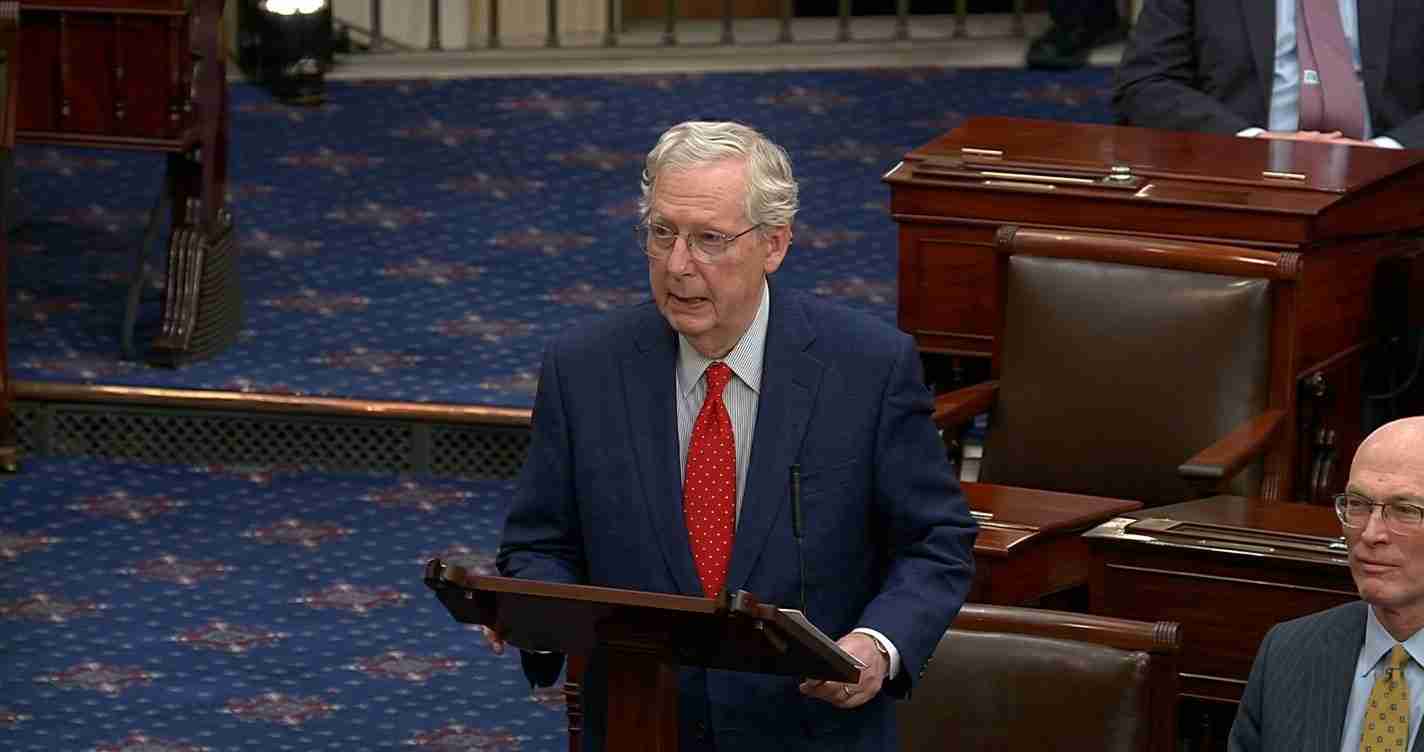
Senate Republicans pressed Sen. Ron Johnson’s bill to protect paychecks for both active-duty service members and furloughed federal employees while much of the government remained shut down. The measure was placed on a cloture vote to open debate and needed 60 votes to proceed; it received 53 votes in favor and 43 opposed.
Senate Democrats described their opposition as rooted in process and checks on executive authority. They argued the bill left room for the White House to move money or use emergency authority without sufficient congressional oversight — a concern summed up by Sen. Gary Peters (D-Mich.), who warned the measure could become a “slush fund for President Trump” because it did not include typical appropriations safeguards.
Republicans pushed back, saying the bill’s sole intention was to deliver paychecks. Supporters, including Sen. Ron Johnson and GOP colleagues, argued the bill did not grant new authority to the president and that funds would be used only to pay wages.
Furloughed workers included
A key change in Johnson’s version was the explicit inclusion of furloughed civilian federal employees in addition to active-duty military pay. Earlier GOP proposals focused primarily on military pay; the revised text expanded coverage but failed to sway Democrats, who said the method of funding mattered more than the population covered. Reporting summarized the dispute.
Democrats’ alternative and GOP reaction
Earlier the same day, Senate Democrats offered a short-term funding proposal to reopen the government, extend enhanced premium subsidies under the Affordable Care Act for one year, and create a bipartisan panel to study long-term health-cost reforms. Democrats said the package would protect coverage while giving Congress time to negotiate further; Republicans rejected it as an unrelated policy demand and called the subsidies a “ransom.”
The clash highlighted a recurring tension: whether to attach policy changes to must-pass funding bills. GOP leaders argued reopening should come first, then negotiations on other issues.
Military pay and public messaging
Republican lawmakers and allied groups warned that blocking the bill risked interrupting pay for active-duty military if the shutdown continued. Some House GOP members released statements accusing Democrats of having “voted to abandon active-duty military members” — language intended to pressure Democrats to relent. See the messaging from House Republicans.
Democrats countered they want servicemembers and federal employees paid but objected to the pathway Republicans proposed, emphasizing the need to protect pay without expanding executive spending power. Live coverage from Politico noted Democrats framed the debate as protecting funds while guarding against presidential overreach.
Partisan split and voting detail
The vote largely split along party lines; only three Democrats joined Republicans to support debate on the bill. The division underscores deep mistrust over funding mechanics even when both parties claim to want the same outcome: ensuring pay for federal and military workers.
Procedural context: a long impasse
At the time of the vote the shutdown had lasted 38 days, making it among the longest modern funding standoffs. Pressure mounted on both sides: Republicans from conservative voters and senators pushing a narrow bill; Democrats from public-employee unions and progressive activists seeking health protections and limits on executive authority. Senate leaders kept the chamber in session through the weekend to pursue a deal. Timeline and floor statements were central to the debate.
Sources and reporting
- The Washington Times — reporting and floor statements summarized in this article.
- Politico — live coverage referenced for framing and context.
- House Republican public messaging — statements used to illustrate GOP messaging tactics.
Implications for San Luis Obispo, California
Economic impact
San Luis Obispo County hosts residents who work for federal agencies or contractors tied to federal pay. A prolonged shutdown and paused federal paychecks could ripple through the local economy: delayed spending on housing, dining, retail and services; reduced revenues for small businesses that serve federal workers or tourism tied to federally managed lands; and increased demand for county social services. Local economic exposure remains a concern.
Jobs and federal facilities
Jobs tied to federal activities — coastal and marine management, airport operations supported by federal grants, and veterans’ services — could face hiring freezes or delayed contract payments if the shutdown continues. Local contractors may see slowed projects or reduced hours, and veterans could experience delays in benefits and administrative services. See reporting on potential service impacts.
Social effects
Many families in San Luis Obispo live paycheck to paycheck. A pause in federal pay can increase reliance on food banks, housing assistance and counseling services. Nonprofits may need additional donations or volunteers; local schools employing federal workers or serving students dependent on SNAP could see heightened needs. Community safety nets may be strained as demand rises.
Political consequences
The shutdown and Senate vote are likely to influence voter perceptions in San Luis Obispo. Moderates may view the standoff as a failure to compromise; local officials could face pressure to urge Congress to reopen funding or support measures shielding residents from hardship. Debates over executive power versus immediate pay protections may shape local political conversations and campaign messaging.
Cultural relevance
Residents value public lands, coastal stewardship and veterans’ services. Disruptions at federal agencies that manage national seashores or public assets could delay maintenance, permitting and outreach programs. Events reliant on federal grants or partnerships may face postponement, and debates over governance and fairness may resonate locally.
Practical steps for residents
- Contact HR: Federal employees should reach out to their human resources offices for guidance on leave, benefits and expected pay dates.
- Emergency assistance: Call 2-1-1 or contact county social services and local nonprofits coordinating shutdown relief.
- Housing and loans: Homeowners should contact lenders early about hardship programs.
- Veterans: Check with local county veterans service officers for help with claims and benefits.
Bottom line: The Senate vote highlights stakes at national and local levels. With negotiations ongoing and the shutdown continuing, San Luis Obispo residents connected to federal work are watching whether Congress protects pay while guarding against expanded executive authority.