Federal judge rules Trump National Guard Portland deployment unconstitutional, issues permanent injunction citing 10th Amendment
A federal judge has issued a permanent injunction ruling that former President Trump’s federalization of the Oregon National Guard for Portland deployments violated the 10th Amendment, affirming state control over Guard forces and limiting presidential emergency powers.
Key takeaways
- Judge Karin Immergut found the June 2025 federalization of Oregon National Guard members exceeded presidential authority and violated the 10th Amendment; see the court documents.
- The State of Oregon and the City of Portland successfully argued the deployment usurped state control and interfered with state police powers; see the court documents.
- The court issued a permanent injunction barring federal deployment of Oregon National Guard forces without state authorization, except in constitutionally allowed circumstances; see the court documents.
- The ruling cites historical and Supreme Court precedents limiting federal intervention in state law enforcement and public safety matters; see the court documents.
Background
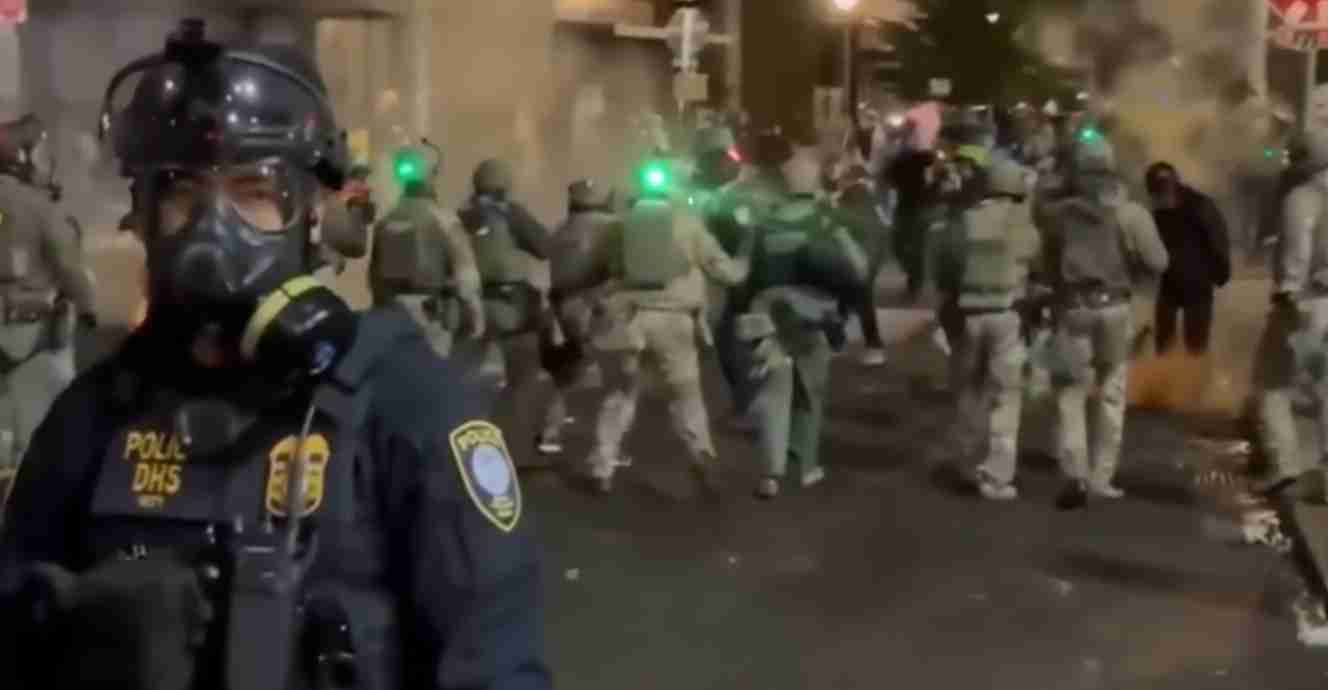
On June 7, 2025, federal authorities authorized the federalization of National Guard service members and deployed them to Portland to assist with unrest. The State of Oregon and the City of Portland filed suit in U.S. District Court, contending the federal order took control of state military resources and interfered with powers reserved to the state under the Constitution. The complaint and the court’s opinion are available in the court documents.
What the court found
Judge Karin Immergut concluded the federal deployment violated the 10th Amendment, which reserves powers not delegated to the federal government to the states or the people. The opinion states the president exceeded constitutional authority by federalizing the Oregon National Guard in this instance, emphasizing that state sovereignty over Guard units cannot be overridden when federal action amounts to assuming local law enforcement functions. For the full opinion, see the court documents.
Permanent injunction and limits on federal action
The court issued a permanent injunction barring the federal government from deploying Oregon National Guard forces without state authorization, except in narrow, constitutionally allowed circumstances. Practically, this prevents federal officials from assuming control of Oregon Guard members for local peacekeeping or law enforcement unless the Constitution or state consent clearly permits it. See the court documents.
Legal reasoning and precedent
Judge Immergut’s opinion draws on long-standing concerns about federal overreach and respects the constitutional division of powers. The ruling cites historical precedents and Supreme Court decisions that have limited federal intervention in state matters—particularly where federal action resembles local policing and public safety duties. Those precedents formed the basis for finding a 10th Amendment violation in this case; see the court documents.
How the case unfolded in court
Oregon and Portland argued the federal order displaced state authority and control over the Guard while state officials were managing protests and public safety. Federal authorities asserted statutory and executive authority to federalize the Guard. After evaluating those claims, Judge Immergut concluded the federal action was beyond constitutional bounds and granted the permanent injunction. The filings and opinion are available in the court documents.
What the injunction means in practice
Under the injunction, Oregon Guard members cannot be placed under federal control for local deployments unless the state consents or federal authority is clearly supported by constitutional text and precedent. The ruling is specifically aimed at stopping federal deployments that effectively convert state National Guard forces into a federal police force for local matters. That signals potential limits on presidential use of federalized Guard units for domestic law enforcement absent collaboration with state leaders.
Possible next steps and broader effects
Although binding at the district court level, the injunction can be appealed. Federal authorities may seek review in the federal circuit and potentially the U.S. Supreme Court, where the balance between federal power and state sovereignty may be tested. Regardless of appeals, the decision already emphasizes the 10th Amendment as a barrier to certain federal deployments of state Guard units; see the court documents.
Why this matters: federalism and presidential power
The ruling addresses a core federalism question: how much authority the federal executive has to use state military resources during domestic incidents. By finding a 10th Amendment violation, the court underscored that states retain control over their Guard units for many domestic functions. The decision is likely to influence debates over presidential emergency powers, National Guard use, and federal intervention in local law enforcement.
Reactions and public context
State and city officials who challenged the action said the deployment undermined local authority and civilian oversight of public safety. Legal scholars and policymakers are watching closely: the decision gives legal weight to the position that state leaders should control Guard forces unless a clear constitutional need for federal action is shown.
Implications for San Luis Obispo, California
Economic impact
Although centered on Oregon, the ruling could affect how federal and state officials coordinate National Guard support nationwide. San Luis Obispo County and emergency planners may see changes in coordination for natural disasters or civil unrest. If federalization is more constrained, counties may rely more on state-level arrangements and funding for Guard assistance.
Political consequences
The decision could influence debates in California about state control of the Guard and presidential authority limits. Local officials and state leaders may cite this ruling when pushing for stronger state oversight or clearer protocols on Guard federalization; it may also appear in campaign discussions about public safety and emergency powers.
Social effects
For San Luis Obispo residents, the ruling reinforces that local and state officials typically lead responses to protests, emergencies, and public safety issues. Community groups focused on policing and civil liberties may use the decision to press for transparency and local control in crisis responses.
Cultural relevance
San Luis Obispo’s community emphasis on local control and civic participation aligns with the ruling’s legal principle: decisions about local security are generally made by local leaders rather than distant federal authorities. The court’s emphasis on state sovereignty over Guard forces will likely resonate locally.
Practical applications for residents
Local emergency managers and county officials should review agreements with the California National Guard and state agencies to clarify when and how Guard forces may be used. Residents may see increased discussion at county meetings about the Guard’s role and the importance of state-federal coordination.
Legal and policy planning
Local governments, including San Luis Obispo County, should monitor appeals and any new guidance produced by this ruling. If federal deployment rules change, counties will need to update mutual aid agreements, training, and emergency response protocols to reflect new legal boundaries on Guard federalization.
Source and further reading
Full court documents and the court’s opinion are available from the City of Portland’s federal case materials.
“The decision emphasizes that state sovereignty over its Guard units cannot be overridden by the federal executive in situations that amount to taking over local law enforcement functions.”