BBC resignations after Panorama editing scandal: Director‑General Tim Davie and UK news chief step down over Trump speech footage
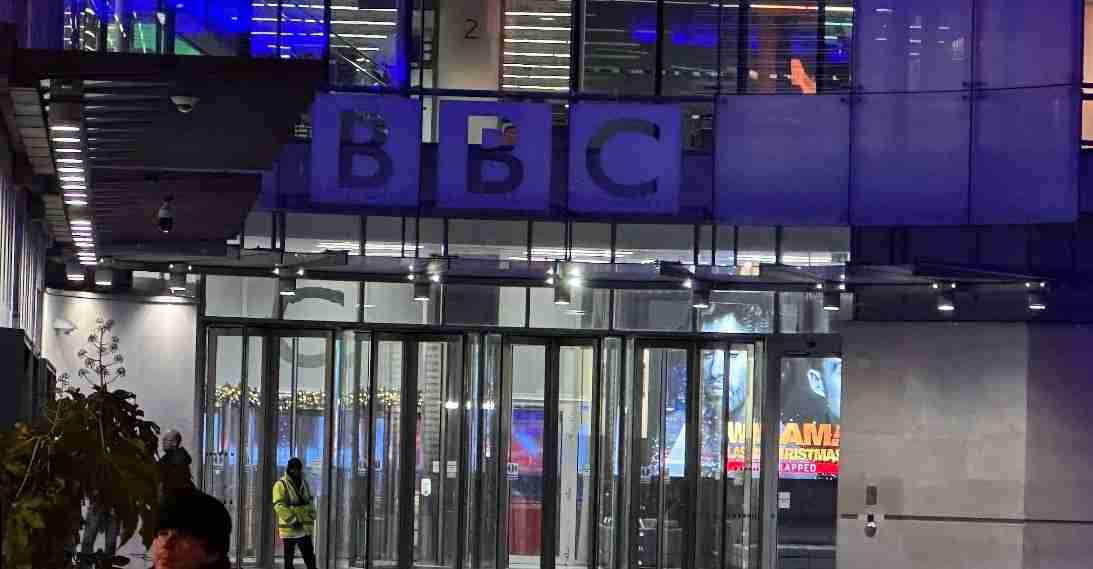
BBC Director‑General Tim Davie and the UK’s head of news resigned after a Panorama segment edited Donald Trump’s January 6 speech, omitting a call for “peaceful protest” and prompting fierce criticism over editorial standards and trust in public broadcasting.
- Top resignations: Tim Davie and the BBC’s UK head of news stepped down, accepting responsibility for the contested Panorama edit (Source).
- Contested edit: Producers are accused of stitching separate lines from Trump’s January 6 speech, omitting his instruction to “peacefully and patriotically make your voices heard” (Source).
- Accountability and trust: The episode reignited debate over newsroom checks, media ethics, and how public broadcasters document and disclose edits (Source).
- Local impact: Communities such as San Luis Obispo may see heightened demand for transparency from international coverage and media‑literacy efforts (Source).
Dateline
LONDON (Times Media Service)
What happened: the Panorama edit
The BBC’s flagship program Panorama aired a package including clips from former President Donald Trump’s January 6, 2021 speech. Producers are accused of editing two separate moments together so the segment appeared to show Trump moving directly from advising people to be “peaceful” to saying “we fight like hell.” Critics say the broadcast omitted the line instructing supporters to “peacefully and patriotically make your voices heard,” altering the perceived sequence and meaning (Source).
Resignations at the top
Within days of the episode airing and the controversy emerging, Tim Davie announced his resignation as director‑general of the BBC. The UK’s head of news also left their post, publicly acknowledging failures in editorial oversight. Observers described the departures as leaders accepting responsibility during a period when public confidence in major institutions is fragile (Source).
Public and political reactions
Reaction was swift. Political figures and commentators across the spectrum criticized the BBC for what they called a misleading edit. Supporters of the former president seized the moment to attack the broadcaster’s credibility.
Karoline Leavitt, Trump’s press secretary, labeled the BBC “100 percent fake news.”
At the same time, some media watchdogs urged restraint and recommended a full internal review to establish intent and process before final judgments (Source).
Why the editing matters
Small changes in cuts can significantly alter audience understanding. Media ethicists emphasize context—especially for speeches tied to violence or civil unrest. The Panorama edit raised two central concerns: whether omitting the “peaceful” line materially changed the speech as presented, and whether editorial shortcuts were taken to serve narrative flow rather than strict accuracy. These issues are especially sensitive for a publicly funded broadcaster held to high standards of impartiality and precision (Source).
Editorial standards and accountability
The resignations prompted scrutiny of the BBC’s internal checks and the pressures facing modern newsrooms. Supporters call for independent investigations and transparent reporting of findings; critics argue leadership change was necessary to restore trust quickly. The episode has become a test case for newsroom governance—how errors are identified, how swiftly responsibility is accepted, and which reforms are enacted to prevent repeats (Source).
Reporting challenges in a polarized climate
Covering polarizing figures increases the stakes for every editorial decision. An edit designed to tighten narrative can be perceived as manipulation by audiences already distrustful of mainstream media. The Panorama dispute may push newsrooms toward greater caution—though experts warn excessive caution can slow reporting or chill investigation. Balancing speed, clarity and accuracy remains a core tension for journalism today (Source).
Transparency and the path forward
Media analysts recommend steps for rebuilding trust: publish unedited footage when possible, disclose editing processes for sensitive items, invite independent review panels, and strengthen newsroom training on documenting sources and edits. Whether the BBC adopts some or all of these measures remains to be seen, but the leadership departures increase the likelihood of deep reviews of editorial practices (Source).
Implications for San Luis Obispo, California
High‑profile controversies like the Panorama scandal can influence local information ecosystems:
- Local trust in national media: Residents may demand greater transparency about how national or international stories are sourced and verified (Source).
- Impact on local debate: National media disputes can filter into city councils, school boards and campus forums, inflaming partisan distrust around election integrity and protest rights (Source).
- Student and campus media: Cal Poly and local journalism programs may use the incident as a case study in ethics, verification and the technical controls that prevent misleading edits (Source).
- Misinformation risk and resilience: Community leaders and libraries could expand media literacy workshops and public forums to help residents identify decontextualized video (Source).
Practical advice for residents
Local news consumers should: check multiple reputable sources, seek primary footage or full transcripts, and be cautious of short clips shared without context. Local broadcasters and public information officers can help by pointing audiences to verified sources when international stories affect local conversation (Source).
Reporting note and source attribution
This article is based on available reporting of the Panorama editing controversy and the subsequent resignations. Additional official BBC statements and independent investigations may provide further details as they become available. For the original referenced coverage see (Source).