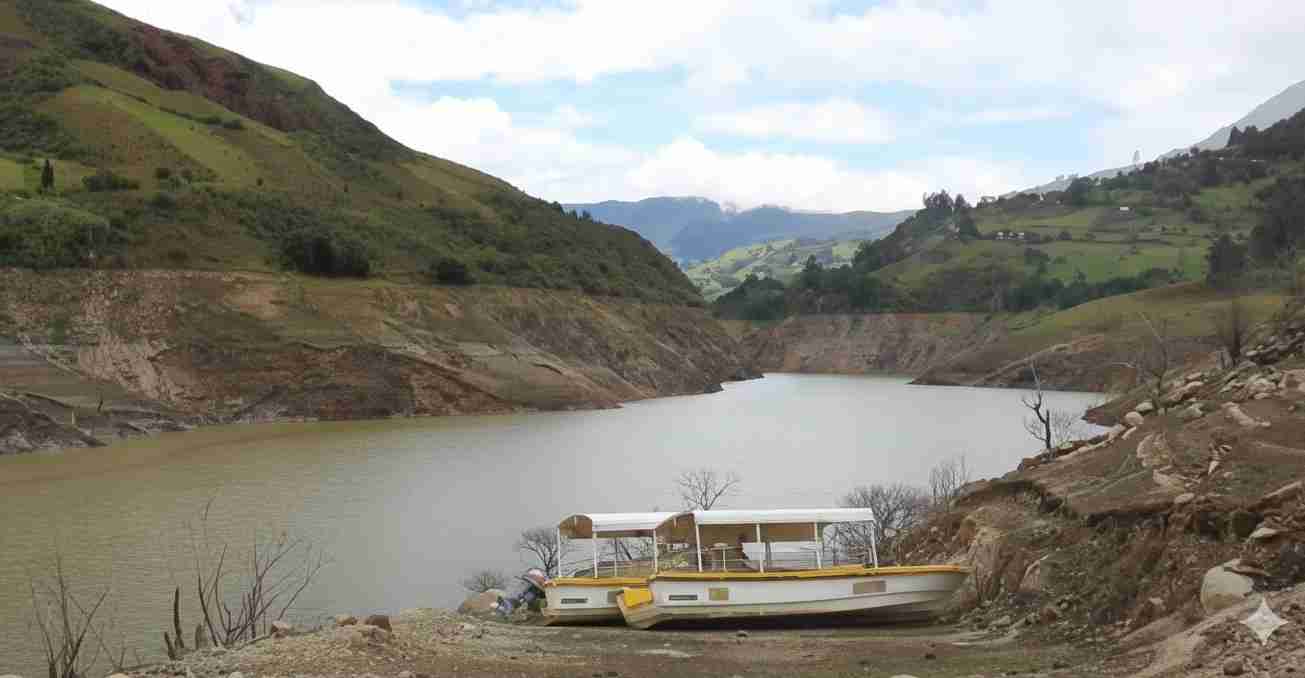
Iran’s Worst Drought in Decades Pushes Cities to the Brink — UN Expert and President Warn of Evacuations, Threat to Regime and Nuclear Program
Iran faces its most severe water crisis in decades as prolonged drought and chronic mismanagement push cities toward collapse; Tehran risks mass evacuations and critical infrastructure failure unless rainfall returns, officials and UN-linked analysts warn.
- Worsening shortages: Dams and reservoirs are at historic lows amid five consecutive dry years; rainfall for 2024–25 is roughly 42% below long-term averages (Water scarcity in Iran).
- Public blame and unrest: A September 2025 survey found ~75% of Iranians blame domestic mismanagement, fueling protests and political pressure (Water scarcity in Iran).
- Political stakes: UN-linked analysts warn shortages threaten regime stability and can undercut industrial programs — including the nuclear sector (Why Iran is running out of water, power, and patience).
- Emergency measures but long lead times: Office closures, conservation orders, and major projects (pipelines, desalination) are underway but incomplete and will take years and large investment (Water scarcity in Iran).
Historical drought and systemic failure
Tehran and wide parts of Iran have experienced unusually low rainfall for several consecutive years. Officials report five straight dry years, with reservoirs supplying major cities far below normal levels. Many dams now hold only a fraction of their design capacity, limiting reliable delivery of water to homes, hospitals and industry. These trends are documented in broader summaries of Iran’s water situation (Water scarcity in Iran).
Mismanagement, public response and government measures
Public frustration has grown as citizens increasingly attribute shortages to domestic policy failures rather than solely to climate or sanctions. A September 2025 survey reported that roughly 75% of respondents pointed to government mismanagement (Water scarcity in Iran), a perception that has triggered protests and raised political pressure on officials.
Emergency actions: Authorities have ordered temporary closures of government offices in Tehran and at least 24 other cities to conserve water and power. Officials have urged households to cut water use by at least 20% and imposed penalties on high-use households, including planned 12‑hour cutoffs for repeat offenders. These steps aim to stretch supplies but risk increasing social tensions if enforcement is viewed as uneven (Water scarcity in Iran).
Infrastructure stress and emergency projects
Low dam reserves threaten vital services: hospitals, transport systems and sewage treatment plants depend on steady water and electricity and could face operational failures within weeks if rains do not return. Officials warn of cascading disruptions to urban life and essential services (Water scarcity in Iran).
Planned responses: Tehran has accelerated key projects, including the Qamar Bani Hashim ring pipeline to redistribute water within the capital region, expanded wastewater recycling and desalination initiatives. One proposed plan would pipeline desalinated water from the Sea of Oman across more than 1,000 kilometers; as of 2025, that project is roughly 10% complete and will require years and major investment to finish (Water scarcity in Iran).
Regional hotspots beyond Tehran
The crisis extends well beyond the capital. Cities such as Mashhad and provinces including Khorasan face what officials describe as “permanent drought emergency” conditions. Khorasan’s rainfall deficit has been reported near 41%, and agricultural areas are suffering falling crop yields and rising economic stress for farmers and rural communities (Water scarcity in Iran).
Political and security implications
International experts and UN-linked observers warn the shortage is not only humanitarian and economic but also political. Sustained failures in services and rising living costs can erode public trust and fuel unrest. Analysts argue that a weakened domestic situation could strain the state’s capacity to sustain large strategic programs, including elements tied to the nuclear sector that require stable industrial inputs (Why Iran is running out of water, power, and patience).
“Reduced industrial output from power and water shortages could slow or disrupt activities that require large water and energy inputs, while political unrest may force leaders to reallocate resources toward domestic stability.”
President Pezeshkian’s warning on evacuations
At the highest level, President Pezeshkian has warned that without improved rainfall Tehran and other cities may face mass evacuations. The prospect of large-scale urban moves highlights the crisis’s scale and the intense pressure on authorities to secure immediate relief and long-term solutions (Water scarcity in Iran).
Exacerbating factors: climate change, disputes and illicit markets
Climate change has reduced precipitation in many regions of Iran, shrinking snowpacks that traditionally recharge rivers and groundwater. Human factors compound the problem: poor water policy, overpumping of aquifers, illegal wells and a reported illicit water trade or “water mafia” divert supplies and undermine resilience. Cross‑border tensions over transboundary rivers (including ties to Afghanistan) further complicate cooperative solutions (Water scarcity in Iran).
Human and economic costs
Falling crop yields, stressed industry and interrupted services are imposing real economic pain. Farmers face lost livelihoods; cities pay more for bottled or trucked water; businesses that rely on steady water flows face shutdowns or reduced output. For ordinary citizens, daily life includes longer lines for water, rationing and disrupted routines (Water scarcity in Iran).
Implications for San Luis Obispo, California
Economic ties and supply chains: Local businesses and farms that participate in global markets could see indirect effects from disrupted agricultural exports and commodity-price shifts if regional instability grows (Water scarcity in Iran).
Energy and security: Shifts in Iran’s domestic priorities could affect regional security and global energy markets; local consumers in San Luis Obispo may feel price or supply impacts if oil or gas markets respond to increased geopolitical risk (Why Iran is running out of water, power, and patience).
Humanitarian and academic ties: Universities, non-profits and faith groups may mobilize aid, host events, or engage in research; local emergency planners could prepare for refugee contingencies and partner with international relief organizations (Water scarcity in Iran).
Climate lessons for local policy: Iran’s experience underscores risks when drought meets weak planning — lessons for groundwater management, conservation, recycling and infrastructure investment in San Luis Obispo County (Water scarcity in Iran).
Reporting notes and sources
This article draws on open-source reporting and expert analysis. Key background and data are summarized from the Wikipedia entry on Water scarcity in Iran and analysis of political and economic implications from the National Council of Resistance of Iran analysis: “Why Iran is running out of water, power, and patience”. Where officials and experts are cited, attribution is to those sources unless otherwise noted.