Tehran’s strike campaign and Strait of Hormuz oil disruption tighten squeeze on shadow fleet, threaten Russia war financing and China’s cheap energy
Iran’s recent warnings and strikes around the Strait of Hormuz are disrupting tanker traffic and the shadow fleet that moves sanctioned oil, raising costs and enforcement risk — with consequences for Russia’s war financing, China’s energy access, and global inflation.
- Shipping seen as a war zone: Carriers and crews are cutting or delaying transits and war‑risk insurance has spiked, producing stacked tankers and slower flows (Iran International reporting; Economic Times report).
- Shadow fleet squeezed: Older, obscurely owned tankers face higher costs, greater visibility and risk of interdiction, increasing sanctions enforcement leverage.
- Strategic effects: Disruption reduces Russia’s oil export options and pressures China’s access to discounted crude, with inflationary risks for heavy industry and importers.
Status of the Strait and how shipping has reacted
Mixed messaging from Tehran — framing measures as safety controls tied to IRGC naval drills while senior IRGC leaders warn they could close the strait if ordered — has created a de facto disruption. Many carriers now treat the corridor as high risk: transits are being delayed or cut, crews refuse passages, and war‑risk premiums have risen sharply.
Open‑source footage and maritime reporting show tankers “stacking up” on both sides of the Strait of Hormuz as operators avoid exposure to missiles, drones and mines. The perception of danger alone raises shipping costs and slows deliveries (open‑source maritime footage).
How the Strait of Hormuz oil disruption hits the shadow fleet
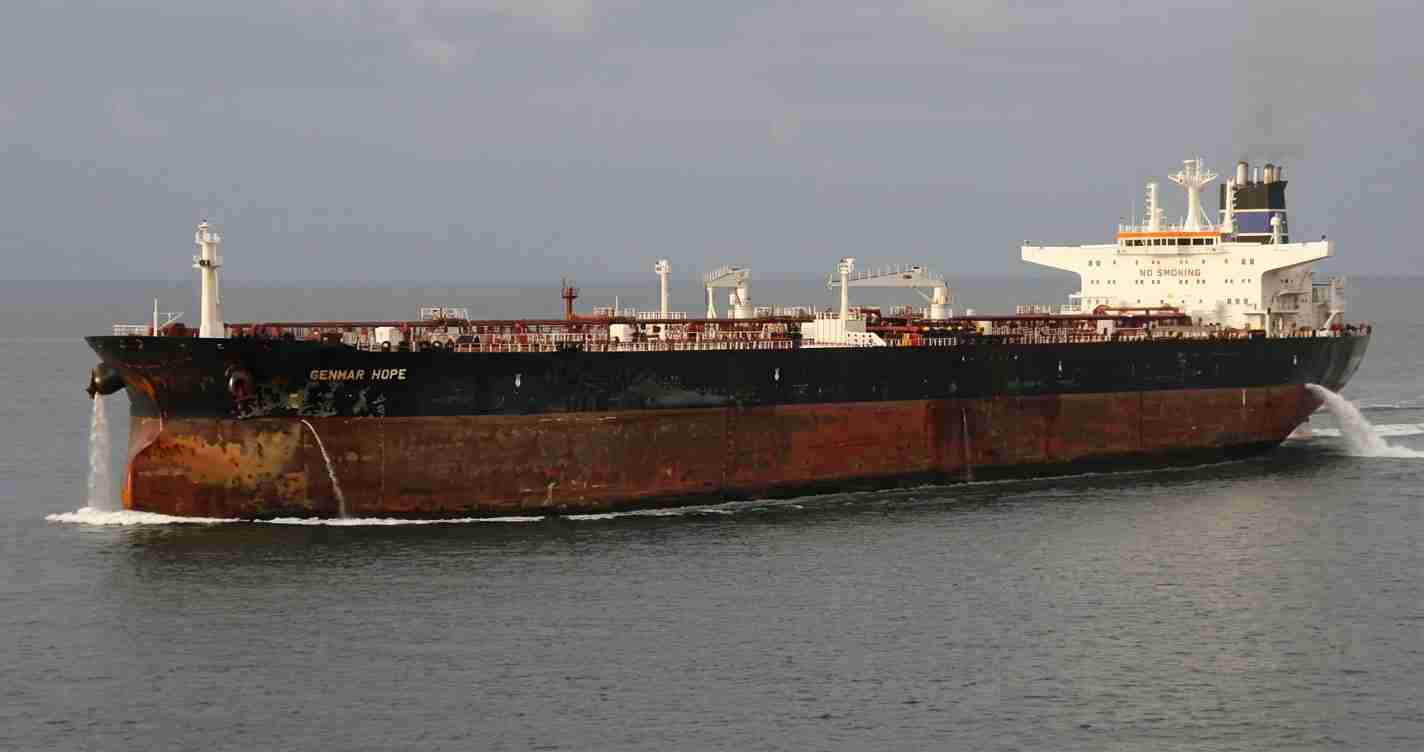
The shadow fleet (aka the gray fleet) relies on older or lightly regulated tankers and circuitous routing to move crude for sanctioned or price‑capped buyers. Iran’s threats, strikes and heightened naval patrols make Gulf lanes riskier and ship‑to‑ship transfers slower and more visible.
As major shipping firms pull back and governments step up interdiction efforts, evasion tactics become costlier and easier to detect. Higher voyage times, extra insurance and rerouting raise the break‑even for illicit shipments and increase the chance of boarding, seizure or sanctions for suspect vessels (background summary).
Western crackdown and recent interdictions
Western partners have intensified efforts to choke gray‑market flows. A G7‑led consortium enforces an Urals price cap (around $44 per barrel) while navies and customs agencies more readily interdict suspect tankers. Notable operations include the redirection and seizure of vessels in European ports — a sign that enforcement now reaches open sea and port approaches.
One high‑profile case involved the tanker MT Ethera, redirected to Zeebrugge and seized in an operation described as part of a stepped‑up enforcement campaign (background summary).
Why this matters for Russia’s war financing
Russia depends on oil and gas revenues to fund government spending and military operations. If shadow‑fleet channels are disrupted by seizures, denied insurance or blocked transits, Moscow faces three costly choices: sell at deeper discounts; pay much higher transport and insurance fees; or reduce export volumes. All three shrink net oil income and curb fiscal space for war costs.
Higher freight and war‑risk premiums from Hormuz disruption amplify the squeeze on Russia’s cash flow, particularly if OPEC+ decisions combine with tighter policing of gray‑market shipments.
Effects on China’s energy supply and industry
China imports discounted, sanctioned barrels from Iran and Russia. When shadow‑fleet routes are choked or become more dangerous, the country can face supply shortfalls and higher delivered costs for the cheapest crude — pressuring refineries and energy‑intensive sectors like steel and chemicals.
Beyond direct costs, stricter enforcement raises legal and diplomatic risks for Chinese traders, shipowners and insurers who interact with gray‑market cargoes, increasing caution and potentially cutting access to cheap oil.
U.S. maritime strikes, Iran’s asymmetric response, and the risk environment
U.S. Central Command public releases show strikes on vessels and platforms said to be linked to drone production and maritime operations — actions that can degrade Iran’s short‑term capacity to project force at sea. Yet Tehran may shift to asymmetric tactics such as mines, land‑launched UAVs and proxy attacks, keeping the risk premium high and deterring normal shipping.
“The more kinetic the sea campaign becomes, the more commercial operators will avoid Gulf routes or demand higher fees,” analysts say.
Macro energy and inflation implications
Roughly one‑fifth of global oil trade transits the Strait of Hormuz. Even short‑lived perceptions of the strait as a war zone raise risk premia on oil prices and insurance. For Western consumers, higher prices partly undercut Russia’s receipts; for China and other heavy importers of discounted crude, the breakdown of gray‑market routes is inflationary by making cheap barrels scarcer and delivery more expensive.
Combined with OPEC+ policy and stepped‑up interdictions, the effect can mirror a hidden supply cut — tightening revenues for exporters and raising costs for buyers.
Implications for San Luis Obispo, California
Economic impact: Local fuel and heating costs could rise, increasing transportation and food prices across the Central Coast and affecting trucking, agriculture and tourism.
Political consequences: Constituents may pressure officials to back federal relief, bolster port security or support supply‑diversification policies.
Social effects: Higher energy bills threaten low‑ and fixed‑income households, students and service workers; demand for assistance programs and food banks may increase.
Cultural relevance: Renewed interest in local renewables, efficiency programs and EV adoption is likely as residents and officials seek resilience against global oil shocks.
Practical applications:
- Plan for higher short‑term fuel and shipping costs that could affect consumer prices.
- Businesses reliant on diesel logistics should consider hedging or efficiency measures.
- Local officials can accelerate clean‑energy upgrades for municipal buildings and transit.
- Community groups should prepare for increased demand for utility and food assistance.
Sources and further reading
- Iran International reporting on Iranian naval drills and warnings
- Economic Times reporting on Iranian statements about the Strait
- Background summary of the 2026 conflict and maritime impacts
- Open‑source maritime reporting and footage showing tanker behavior near the strait
If you would like, I can next map the main shadow‑fleet routes used by Iran and Russia, or explain technical methods Western navies and regulators use to identify and target gray‑market tankers (AIS gaps, ship‑to‑ship patterns, registry changes, etc.).