Newsom opens more than 200 state parks free on MLK Day, directly challenging federal change to fee-free national park calendar
Governor Gavin Newsom announced more than 200 California State Parks will offer free vehicle entry on Martin Luther King Jr. Day, Jan. 19, 2026, funded by the California State Parks Foundation as a rebuke to federal fee-calendar changes.
Key takeaways
- What: Free vehicle day-use entry at 200+ California state parks on Jan. 19, 2026 — parking fees waived at participating sites. Source: California State Parks
- Who pays: The one-day waiver is funded by the California State Parks Foundation (private nonprofit), not the state general fund.
- Who is excluded: State vehicular recreation areas, parks with per-person/tour fees (e.g., Hearst Castle) and partner-run sites remain fee-based. Source: California State Parks
- Why it matters: California’s move responds to a federal change that removed MLK Day from the National Park Service fee-free calendar. Sources include Fox LA and the Office of the Governor.
What happened
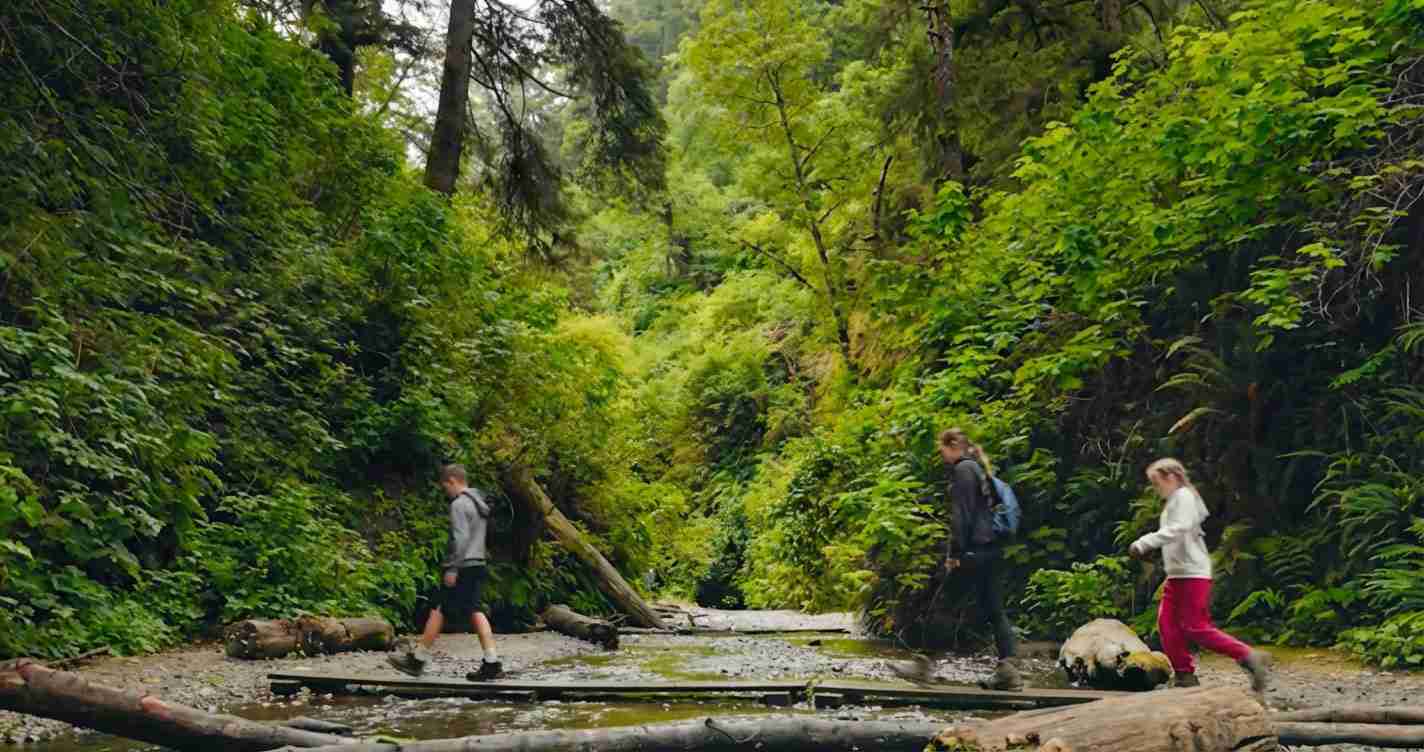
On Jan. 16, 2026, Governor Gavin Newsom announced that more than 200 California State Parks will offer free vehicle day-use entry on Martin Luther King Jr. Day, Jan. 19, 2026. The one-day waiver covers one passenger vehicle (nine people or fewer) or one highway-licensed motorcycle at participating parks; parking fees tied to those sites are also waived. The list of participating parks mirrors the year‑round California State Parks Library Parks Pass participants.
What the federal change did
Last month the National Park Service revised its 2026 fee-free days, removing Martin Luther King Jr. Day, Juneteenth and National Public Lands Day from the federal calendar and adding dates including Flag Day (which coincides with President Trump’s birthday), Constitution Day, the NPS’s 110th anniversary, and Theodore Roosevelt’s birthday. Reporting and reaction appear in outlets such as Fox LA and Fox News.
Effect: Many national park units that normally offered free entry on MLK Day — including Yosemite and Joshua Tree — will charge standard entrance fees on Jan. 19 unless separate arrangements are made.
How California’s plan works
The state-day waiver covers:
- One passenger vehicle (capacity of nine people or fewer) or one highway-licensed motorcycle.
- Parking fees at participating parks are waived for the day.
- The participating park list aligns with the parks in the California State Library Parks Pass program. See California State Parks for the full list.
Exclusions: State vehicular recreation areas, parks with per-person or per-tour fees (notably Hearst Castle), and partner-operated properties will continue charging their standard fees; visitors should confirm costs before traveling via the California State Parks page.
Who’s paying and why it matters
The California State Parks Foundation is funding the one-day waiver, meaning state general fund dollars are not being used for this action. Coverage noting the foundation’s role is available at KTVU.
“Dr. King taught us that ‘darkness cannot drive out darkness; only light can do that,’” Gov. Newsom said, framing the move as both access expansion and a rebuke of the federal change. Source: Office of the Governor
State Parks Director Armando Quintero emphasized that “free entry days like MLK Day help ensure that cost is never a barrier to experiencing California’s state parks.” The department urges visitors to check participating-park lists and park rules. (See coverage at San Diego 10News.)
Examples and local notes
In the Bay Area, more than 70 parks participate, including Big Basin Redwoods State Park, Point Lobos State Natural Reserve, Mount Tamalpais State Park, and Jack London State Historic Park. Local reporting is available at Local News Matters.
In San Luis Obispo County, some state properties will be included while attractions that charge per-person fees, such as Hearst Castle, will remain fee-based; visitors should verify before traveling via the California State Parks page.
Implications for San Luis Obispo County
Economic: Increased day visitation to included parks may boost local tourism spending in Morro Bay, Pismo Beach and Avila Beach, but excluded paid attractions could see fewer casual visitors that day.
Political: The action frames California as a state-level counter to the federal change and may influence local political conversations about access to public lands. Source: Office of the Governor.
Social & Cultural: The free day creates opportunities for community events — service projects, park cleanups, and educational programs — linking Dr. King’s legacy to environmental stewardship and access to public lands.
Practical advice for residents and visitors
- Plan ahead: Check the participating-park list before you go at the California State Parks page.
- Expect crowds: Popular parks may reach capacity; arrive early, carpool, and prepare for limited parking or temporary access restrictions.
- Community use: Local groups can organize low-cost events, cleanups, or interpretive programs that connect MLK Day to civic engagement.
Investigative considerations and questions
- Equity and access: A one-day waiver highlights access but leaves questions about ongoing affordability for low-income families.
- Federal motivations: The NPS calendar changes invite scrutiny about selection criteria and political considerations; see commentary in Fox LA and Fox News.
- Practical limits: Free days increase visitation pressures — capacity, parking and staffing remain constraints.
Reporting and sources
This article draws on official announcements and multiple outlets. For full details, see:
- California State Parks — official page on MLK Day 2026 participation and exclusions.
- Office of the Governor — Governor Newsom’s full statement.
- Fox LA — coverage of the federal calendar change and state response.
- Fox News — national reporting on the NPS fee-day revisions.
- KTVU — reporting on the California State Parks Foundation funding.
- San Diego 10News — quotes and department guidance.
- Local News Matters — Bay Area park participation details.
For park-specific rules, exceptions and the full list of participating sites, consult the California State Parks resource.