Newsom invokes Scripture, calls GOP-led SNAP cuts “intentional cruelty” as states sue USDA over looming Nov. 1 cutoff
California Governor Gavin Newsom denounced GOP-led actions that would pause SNAP benefits for millions, calling the move “intentional cruelty” and invoking Scripture as states, including California, sue the USDA to try to restore November assistance.
- Immediate threat: The USDA announced it would withhold all November SNAP payments amid the shutdown — an action that could affect roughly 41 million Americans and more than 5.5 million Californians. Source
- Political and moral framing: Newsom called the policy “intentional cruelty” and invoked Scriptural values to argue government must protect the vulnerable. Source
- Legal response: California and a coalition of states have sued the USDA seeking to force benefits to continue during the shutdown. Source
What Newsom said and why he invoked Scripture
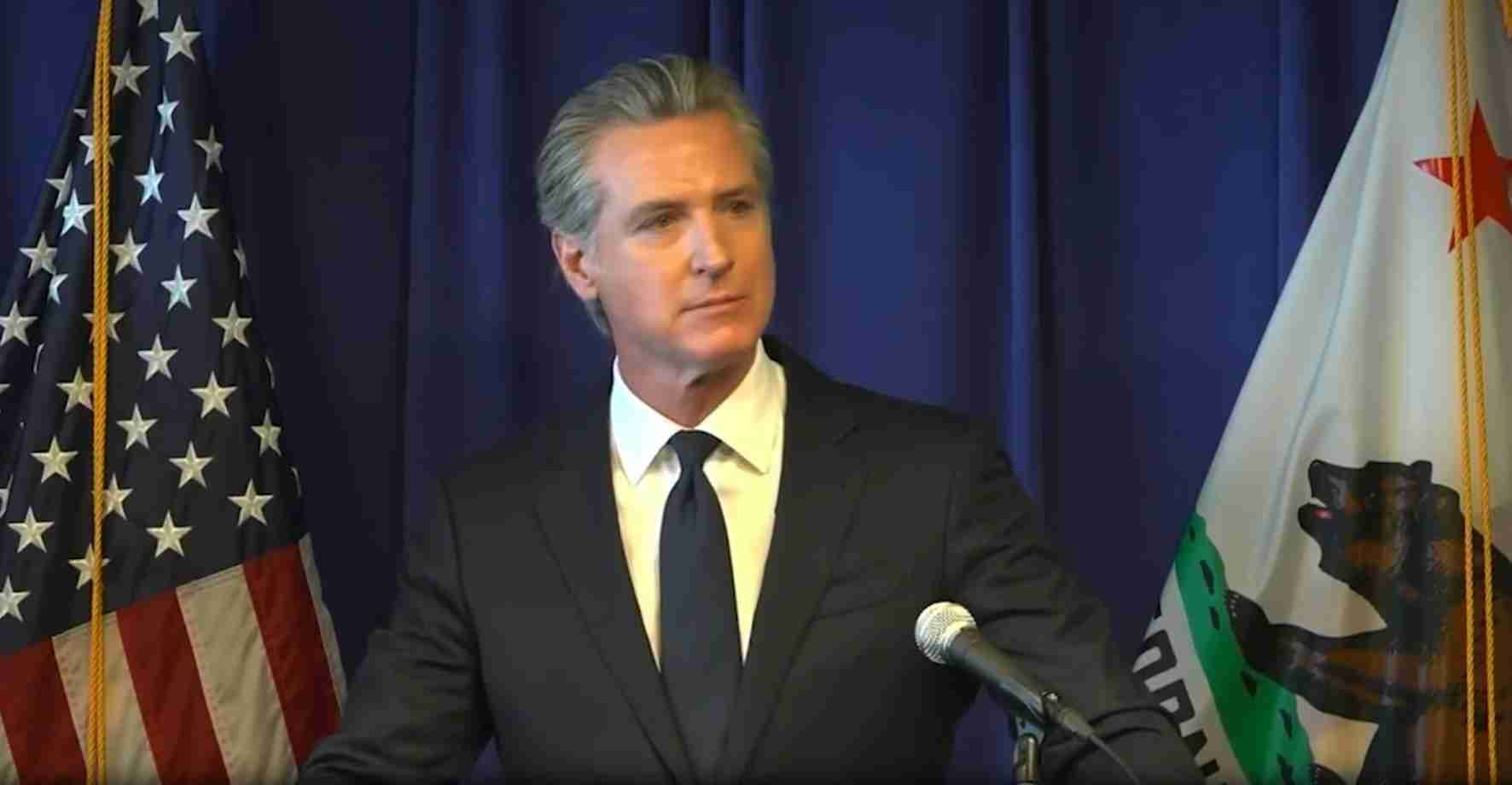
At a Sacramento press event, Governor Gavin Newsom sharply rebuked GOP leaders and the federal administration, arguing the decision to halt SNAP payments was a chosen policy rather than an unavoidable consequence. He framed his remarks in moral and religious terms, asserting public policy should protect the vulnerable. Source
“Cruelty is the policy. That’s what this is about. It’s intentional cruelty. Intentionally creating anxiety for millions and millions of people,” Newsom said, tying his criticism to Scriptural values and basic human decency.
Democratic leaders say the USDA action is a political tactic to pressure lawmakers during budget talks, while Republicans and USDA officials describe the move as an administrative necessity during a lapse in appropriations. Source
USDA action and the administration’s rationale
The U.S. Department of Agriculture, led by Secretary Brooke Rollins, announced it would withhold all November SNAP benefit payments because agency officials say they cannot certify payments without a full appropriation. Agency spokespeople describe the decision as an administrative requirement rather than a political choice. Source
State officials dispute the claim that no alternatives exist, pointing to contingency funds and other federal mechanisms that could maintain benefits. Newsom argued the federal government has contingency dollars it could draw on but chose not to, framing the move as deliberate. Source
Officials also note this would be the first time SNAP benefits are actively withheld during a shutdown, prompting alarm from anti-hunger groups, food banks and public health experts. Source
Who is affected: numbers and human impact
The USDA action threatens SNAP benefits for about 41 million Americans nationwide and more than 5.5 million people in California, including children, seniors and people with disabilities who rely on monthly benefits to buy groceries. Local food banks already report rising demand. Source
- Immediate household impacts: Families may skip meals, delay bills, or incur debt to cover groceries.
- Community strain: Food pantries, charities and local food retailers could see higher demand and lower SNAP-driven revenue.
- Seasonal risk: Cold-weather months typically increase need, raising concerns about hunger and health consequences.
Legal fight: California sues USDA
California Attorney General Rob Bonta joined governors and attorneys general from other states to file suit against the USDA and the federal government, arguing the November cutoff is unlawful and that the agency is improperly using low-income families as leverage. The filings seek a court order to keep benefits flowing during the shutdown. Source
Central legal questions include whether the USDA has authority to pause payments and whether alternative funding routes were legally and administratively feasible. The outcome will test where responsibility lies when federal political standoffs intersect with programs serving vulnerable populations. Source
Federal shutdown SNAP cuts as political strategy?
Democratic leaders, including Newsom, say the action appears to be a calculated political tactic by GOP leaders to use hardship as leverage in budget negotiations. Republicans and USDA officials counter that the pause results from legal and administrative limits when appropriations lapse. Source
Analysts focus on whether contingency funds or accounting measures could have been used to maintain SNAP; state officials insist options existed, making the withholding of benefits a choice rather than a necessity. Source
Implications for San Luis Obispo, California
Economic impact
With more than 5.5 million Californians depending on SNAP, thousands in San Luis Obispo County are included. A suspension would reduce household grocery spending and could hurt local grocery stores, markets and suppliers while increasing pressure on food pantries and community aid organizations.
Political consequences
Local officials may face constituent pressure and the dispute could become a campaign issue in local and statewide races. A successful legal challenge by California could spur calls for stronger state protections or contingency planning.
Social effects
Families already living paycheck to paycheck could face immediate hardship; child nutrition may suffer and school meal programs could see increased enrollment as households seek to fill gaps. Community organizations are preparing for higher demand and expanded distributions.
Cultural relevance
San Luis Obispo’s mix of urban and rural populations — including farmworkers, service employees and retirees — means disruption would affect culturally and economically vulnerable groups differently. Newsom’s moral framing, including Scriptural references, may resonate in communities that emphasize faith-based outreach and civic responsibility.
Practical applications
Residents who rely on SNAP should check with county social services and the California Department of Social Services for updates. Food pantries, churches and community groups are organizing extra distributions; local officials may publish guidance on emergency assistance programs. Source
What happens next
The legal challenge from California and other states is progressing as the Nov. 1 cutoff approaches. Courts may issue injunctions to restore benefits while cases proceed; absent judicial relief, states and local agencies will need to deploy emergency resources to address immediate harm to households. Source
Stay informed: follow county offices, the California Department of Social Services and statewide announcements for updates on SNAP payments, legal rulings and emergency assistance options.