Swalwell’s Past Ties to Suspected Chinese Operative Resurface as Campaign Questions Swirl; Experts, Records Show Limited Evidence of Wrongdoing
New scrutiny has resurfaced over Representative Eric Swalwell’s past contacts with alleged Chinese operative Christine Fang, raising questions about foreign influence in local and national politics while public records and reporting show limited evidence of criminal wrongdoing.
- Multiple outlets documented Christine Fang’s outreach to Bay Area political networks and her ties to young officials, including bundling donations and recommending interns.
- Swalwell was briefed by federal counterintelligence around 2015 and, according to his office, cut contacts and cooperated with inquiries.
- Reporting differs: commentators raise concerns about influence operations, while fact-based coverage finds no public evidence of criminal conduct tied to Swalwell.
- Local impact: San Luis Obispo voters and institutions may see this as a prompt for clearer vetting, disclosure, and public education on foreign influence.
What the records and reporting show
Christine Fang’s outreach and the Swalwell connection
Reporting by multiple outlets traced a pattern of outreach by Christine Fang to young California politicians and community leaders. Fang reportedly attended events, helped organize fundraisers and introduced staff and volunteers to local offices. Axios documented Fang’s efforts to build influence among up-and-coming Bay Area elected officials, including then-Dublin councilmember Eric Swalwell, in the early 2010s.
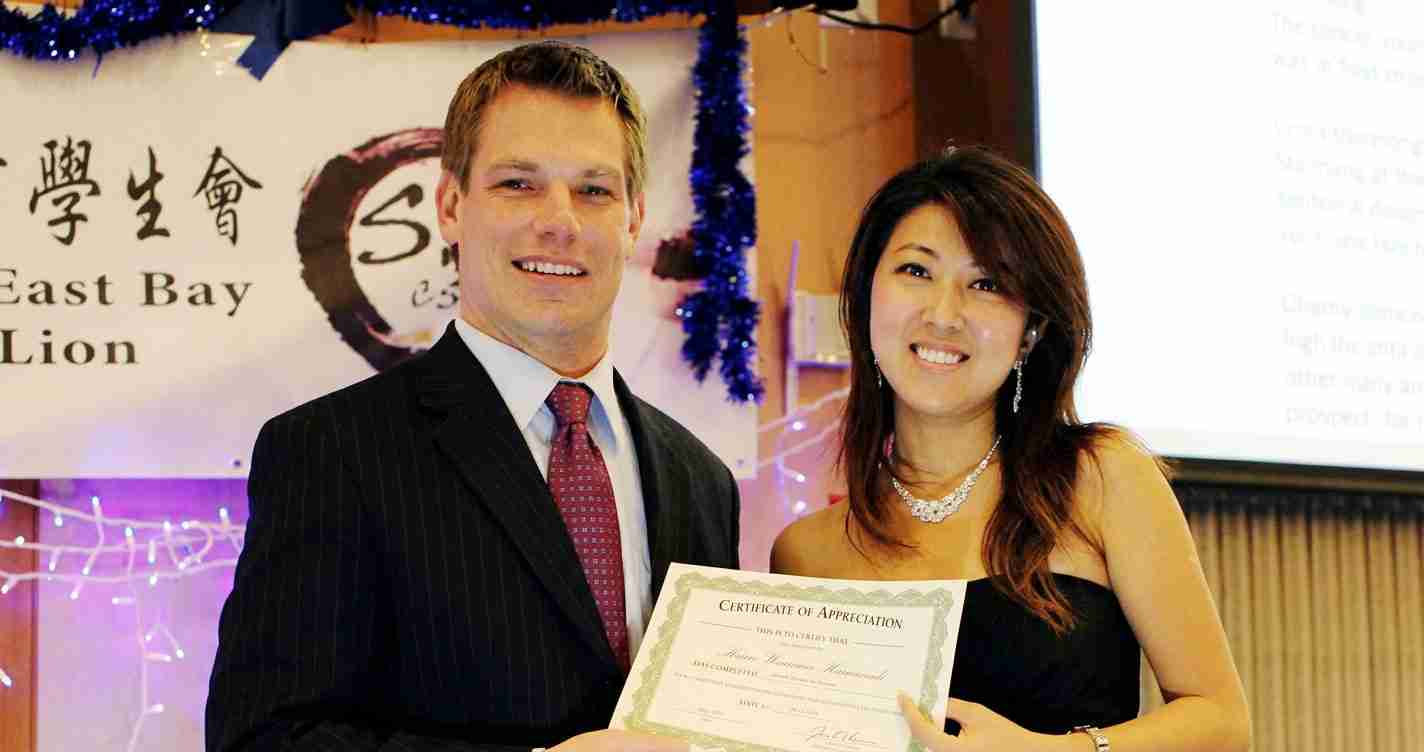
According to those reports, Fang bundled small donations for Swalwell’s 2014 reelection and helped place an intern in his Washington office. News coverage shows Swalwell met Fang at public events — including student gatherings and cultural celebrations — and that a 2013 photo showed him with a senior Chinese diplomat at a consulate event that Fang had engaged with on social media (Fox News).
FBI briefing and Swalwell’s response
Multiple reports indicate that in or around 2015 Swalwell was briefed by federal counterintelligence agents about Fang. After the briefing, Swalwell’s office says he cut off contact and cooperated with any inquiries. Coverage that reexamined the incident in 2020 noted there were no public allegations that Swalwell shared classified information or engaged in criminal activity, and no formal charges were filed related to the Fang contacts (Axios).
Differing assessments and commentary
Commentary ranges from analytical reporting to opinion pieces. Some writers argue the episode highlights vulnerabilities in vetting and influence operations aimed at local and state politicians (see AEI). Other coverage treats the incident as historical context without evidence of actionable wrongdoing by the elected officials involved. A 2020 local broadcast item amplified the initial disclosure (KPIX/YouTube).
Reported facts: public reporting attributes many details to intelligence briefings and anonymous officials, which is standard in counterintelligence reporting; however, the publicly documented record does not show criminal charges related to Swalwell.
What is not confirmed or remains disputed
- No clear record supports the claim that Swalwell is a settled leading Democratic candidate for California governor in 2026; filings and reporting do not show him as an established front-runner.
- No independently verified public evidence was found in national coverage that President Trump or a named federal official definitively “meddled” in a state gubernatorial contest by releasing classified files about Swalwell.
- Allegations about mortgage or tax fraud tied to Swalwell’s home purchase lack public, court-level evidence in major reporting.
When partisan outlets or social media repurpose older reporting and mix it with new, unsourced allegations, readers should approach such claims with caution and seek primary documents or reporting from established outlets.
Sources and how we checked them
This article relies on investigative reporting that traced Christine Fang’s contacts with U.S. politicians and on public accounts of the FBI’s handling of those contacts. Where reporting diverged, we note disagreements and flag claims that could not be corroborated in available reporting. For readers seeking primary documents, federal filings or FBI materials are the authoritative sources.
Implications for San Luis Obispo, California
Political consequences at the local level
San Luis Obispo voters are likely to view this story through concerns about foreign influence and a desire for transparent governance. If raised in campaign debates, the Fang–Swalwell episode could become a talking point in statewide races. For moderate voters, questions about oversight and ethics may reduce trust in national institutions and increase calls for clearer disclosure standards.
Economic and security considerations
San Luis Obispo’s economy — with technology, higher education (Cal Poly), and small businesses — values international partnerships. Local leaders may fear headlines that imply foreign intelligence activity could chill legitimate academic and business exchanges. The episode highlights the need for strict compliance with federal rules on foreign engagements and increased awareness of influence operations.
Social and community effects
The story could shift local discourse toward election integrity, campaign finance, and national security topics at civic meetings and candidate forums. For a politically moderate community, the recommended response is a fact-based discussion that urges transparent investigation where warranted while avoiding unfounded accusations that inflame partisan divisions.
Cultural relevance and practical impact
Local officials, educators, and law enforcement should use this episode as an example of how foreign actors may seek access via community networks. Practical steps include briefings on foreign influence, improved volunteer vetting in campaigns, and public education on evaluating political news.
What local voters can watch for
Residents should look for reliable reporting and documentation if the matter reappears in campaigns. Key signals include official disclosures, sworn testimony, or materials released by oversight authorities. Until verifiable new information emerges, voters are best served by asking candidates specific questions about vetting, disclosure, and protections against foreign influence.
Sources
- Axios: “China’s spy in California politics”
- Fox News: “Unearthed photo… raises alarm”
- AEI op-ed: “The poetic justice in Eric Swalwell’s relationship with a Chinese spy”
- KPIX segment (YouTube)
- Additional online summaries and commentary cited in reporting and public archives
Note: This article preserves original facts, information, and URLs reported by the cited outlets and flags where claims remain unverified in public reporting.