Hyundai recalls 421,078 Santa Cruz and Tucson models over software bug that may cause unexpected braking
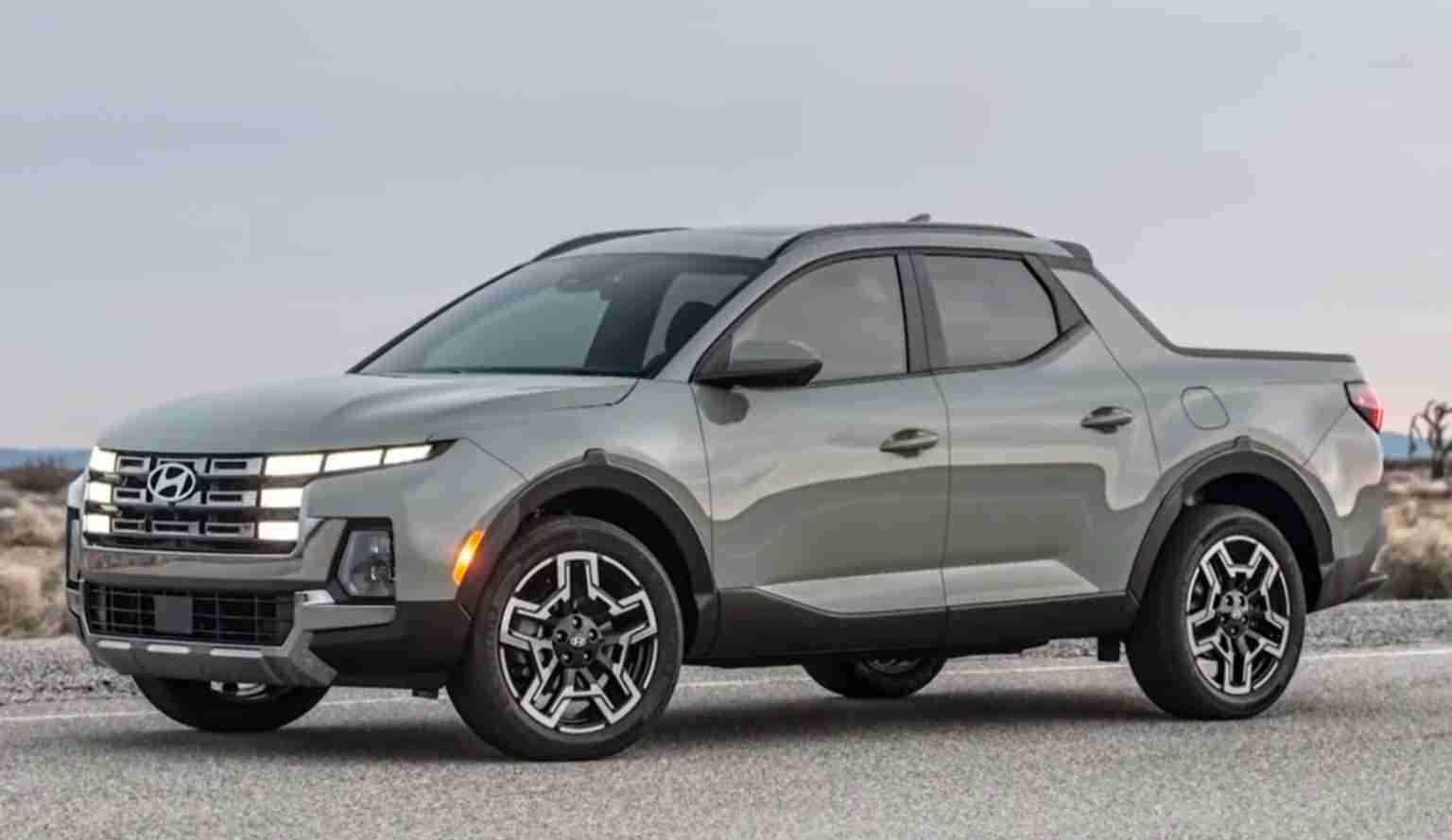
Hyundai is recalling 421,078 U.S. Santa Cruz and Tucson vehicles (2025–2026) over a front camera software bug that can trigger the Forward Collision-Avoidance system to apply brakes unexpectedly; dealers will provide a free update, owner notices by July 17.
- Recall scope: 421,078 U.S. vehicles — certain 2025–2026 Hyundai Santa Cruz, Tucson, Tucson Hybrid and Tucson Plug-In Hybrid models.
- Defect: A front camera software error can cause the Forward Collision-Avoidance (FCA) system to activate prematurely and apply the brakes unexpectedly.
- Reports and injuries: Hyundai received 376 complaints from Oct. 28, 2024 to Apr. 27, 2026; four crashes and four alleged injuries reported to NHTSA.
- Remedy: Free front-camera software update at dealers; owner notification letters to be mailed by July 17.
Scope of the recall
The National Highway Traffic Safety Administration’s safety recall covers 421,078 vehicles in the United States. Affected models include certain 2025–2026 Hyundai Santa Cruz and Tucson variants, including Tucson Hybrid and Tucson Plug-In Hybrid. The recall is limited to specific model years and configurations; owners should confirm inclusion by checking the vehicle identification number (VIN).
Verify VIN status using the NHTSA recall information or the Hyundai recall lookup tool before scheduling service.
What the defect is and why regulators called it a safety issue
NHTSA’s report states a software error in the front camera system that supports the Forward Collision-Avoidance (FCA) feature can falsely detect a collision threat. That false detection may trigger automatic emergency braking or other collision-avoidance actions when no threat exists.
“A vehicle may slow or stop suddenly without warning to the driver — a behavior regulators call unexpected braking.”
Regulators treat inappropriate activations as a safety defect because sudden, unnecessary braking can increase the risk of rear-end collisions, especially when another vehicle is closely following.
Field reports, crashes and injuries
Hyundai logged 376 complaints related to FCA operation between Oct. 28, 2024 and Apr. 27, 2026. From those reports, NHTSA’s summary notes four crashes in which the Hyundai vehicle was rear-ended and four alleged injuries tied to those crashes. The agency formalized the recall on May 19 after reviewing field reports and engineering analysis connecting the incidents to camera software logic.
How Hyundai will fix the problem
Hyundai will perform a front-camera software update that adjusts the FCA logic to reduce inappropriate or premature automatic braking. The repair will be performed at no cost to owners at authorized Hyundai dealers. Owner notification letters are expected to be mailed by July 17; letters will include instructions to schedule the free software update.
What owners should do now
- Check your VIN: Confirm recall status via the NHTSA recall information or the Hyundai recall lookup.
- Schedule the repair: Call your local Hyundai dealer to arrange the software update; the fix is software-only and typically quick.
- Drive cautiously until repaired: Increase following distance, avoid heavy stop-and-go traffic when possible, and monitor FCA behavior. If you observe sudden or unexplained braking, document date, time, location and any dash-cam footage and report it to Hyundai and NHTSA via Report a safety problem.
Regulatory and technical context
NHTSA handled the investigation and issued the safety recall report in cooperation with Hyundai. The action highlights how advanced driver-assistance systems (ADAS) relying on cameras, radar and software can behave unexpectedly when software logic or calibration fails. Regulators are tracking both failure-to-engage events and inappropriate activations of automatic emergency braking and FCA systems as vehicle autonomy increases.
Connection to Hyundai’s separate Elantra Hybrid recall
This FCA recall follows a separate Hyundai recall last week affecting more than 54,000 Elantra Hybrid vehicles in the U.S. That prior recall involved a hybrid power-system defect that could overheat and potentially cause a fire — a distinct electrical/thermal issue compared with the camera/software defect here. Together, the two recalls underscore the dual challenge of ensuring safety for both software-driven features and high-voltage hybrid systems.
Why unexpected braking matters
Automatic emergency braking aims to reduce collisions by intervening when drivers don’t react. However, when such systems brake without cause, they can create new hazards. Sudden deceleration can surprise drivers behind and increase rear-end collision risk, especially at highway speeds or in congested traffic. Regulators therefore treat inappropriate activations as serious safety defects.
Implications for San Luis Obispo
Economic impact
– Local Hyundai dealerships and service centers in San Luis Obispo County should expect increased recall-related appointments; technicians and service bays will need scheduling to accommodate the free updates. This can create short-term work but may strain appointment availability.
– The used-vehicle market may see buyers asking whether recalls are completed. Completed recalls generally help preserve resale value; unresolved recalls can complicate sales.
Political and regulatory consequences
Local policymakers, consumer advocates and state consumer protection offices may press for clearer oversight of ADAS features. San Luis Obispo’s active civic engagement on safety issues could lead to calls for stronger disclosure about how systems behave and for monitoring of recall completion rates.
Social effects and daily driving
Drivers in the county should be aware that affected vehicles could brake unexpectedly until updated. Increasing following distances and exercising caution on corridors such as U.S. Highway 101 and State Route 1 can reduce risk. Rideshare and delivery drivers using affected models may face schedule disruptions when bringing vehicles in for service.
Cultural relevance and practical steps for residents
– Tourism and event operators should check vehicle fleets, as visitors driving affected cars may experience unexpected braking.
– Residents with affected vehicles should check VIN status immediately and schedule the free update. If you witness sudden braking that results in a crash, collect photos, contact police if necessary, and report the event to Hyundai and NHTSA.
Sources and where to get more information
- NHTSA recall search and reports
- Hyundai U.S. recall information and VIN lookup
- Report vehicle safety problems to NHTSA
Reporting by Times Media Service