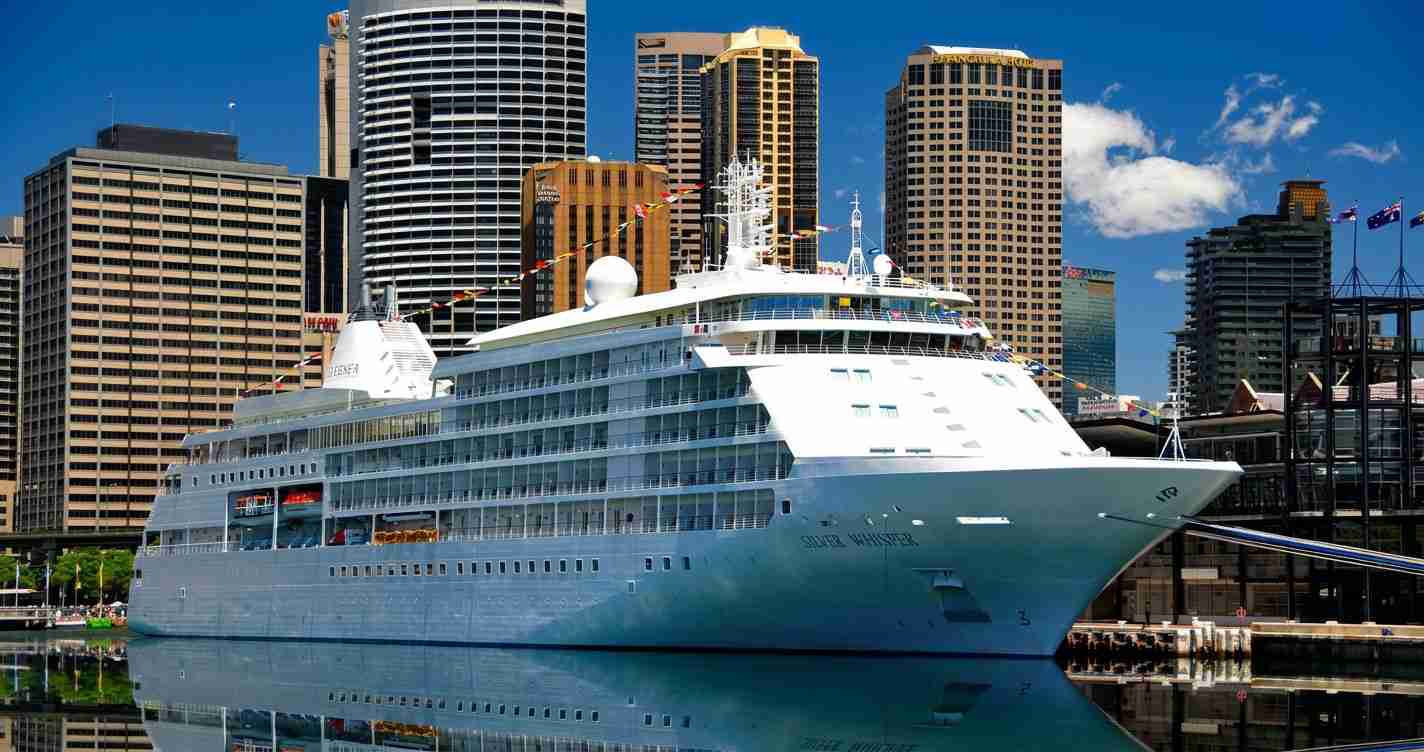
Silver Whisper diverts through gale to pluck injured sailor 500 miles off U.S. West Coast
On May 26, 2026, Silversea’s Silver Whisper diverted nearly 500 miles into the North Pacific to rescue a 74‑year‑old Canadian solo sailor from his dismasted 29‑foot vessel, coordinating with the U.S. Coast Guard and international SAR teams.
- Long-range rescue: Fixed-wing aircraft, the AMVER system and the Silver Whisper enabled a surface recovery beyond helicopter range.
- Injured mariner: A 74‑year‑old Canadian sailor with a left‑shoulder injury was recovered and treated aboard the cruise ship.
- SOLAS duty: The cruise ship’s master complied with obligations to assist persons in distress at sea.
- Local relevance: The incident highlights equipment and preparedness considerations for coastal communities such as San Luis Obispo.
How the emergency began
Passenger accounts and Coast Guard‑aligned reporting say the solo sailor was voyaging from Hawaii to British Columbia when gale‑force winds and 30‑foot seas ripped away his mast, leaving the 29‑foot sailboat adrift and disabled. Sources identify the vessel as Alice (also cited as April Alice), with reports varying by outlet; see BeachConnection and Cruise Mummy.
During the dismasting the sailor sustained a left‑shoulder injury. He maintained two‑way contact using a handheld satellite communicator, a device that relays position and messages to rescue coordinators and is increasingly common among offshore voyagers (BeachConnection).
Coast Guard coordination and long‑range response
Because the disabled vessel lay roughly 489–500 miles off the Oregon coast — beyond helicopter range — the U.S. Coast Guard activated a long‑range response. Fixed‑wing C‑27J Spartan aircraft were launched to provide overwatch, sustain communications and monitor the scene from the air (BeachConnection).
Watchstanders used the AMVER (Automated Mutual-Assistance Vessel Rescue) system to locate the nearest suitable ship and, via the Joint Rescue Coordination Centre in Victoria, relayed the request to the USCG Northwest District. AMVER watchstanders identified the Silver Whisper as the best nearby asset to render assistance (BeachConnection).
Silver Whisper diverts and searches in rough seas
The Silver Whisper — nearing the end of a 24‑night voyage from Papeete, Tahiti, to Vancouver — was about 120 miles from the reported position when tasked to assist. Captain Michele Macarone Palmieri ordered an immediate course change and the ship steamed into deteriorating weather to search for the stricken sailboat (Cruise Mummy; CruiseHive).
Passengers described the search as a “needle in a haystack” given initial imprecise coordinates. It took roughly seven hours for Silver Whisper to reach the search area; heavy motion forced operational adjustments aboard, including ordering guests to cabins and collapsing stabilizers to manage the voyage through the gale (CruiseHive; Fox News).
The rescue at sea
On arrival the Silver Whisper’s crew found the dismasted sailboat adrift with the lone sailor onboard. Crew members recovered the man within about an hour of reaching his position and provided onboard medical evaluation and initial treatment for a left‑shoulder injury consistent with a fracture or severe trauma (CruiseHive; Cruise Mummy).
“We were the closest ship to him — it took 7 hours to reach him, with no exact coordinates… Happy to report he was found, is alive — with a broken shoulder, but doing well.”
The U.S. Coast Guard confirmed the Silver Whisper recovered the injured mariner and cared for him until the ship reached Vancouver, where he was expected to disembark on May 28 for further care (BeachConnection; Maritime Executive).
Medical status and next steps
Reports state the sailor’s condition was stable after initial treatment aboard Silver Whisper. He was expected to disembark in Vancouver on May 28 for more comprehensive medical care; no subsequent hospital updates were published in the reviewed sources (CruiseHive; Maritime Executive).
Legal and operational context
The episode illustrates multinational search‑and‑rescue practices: the JRCC in Victoria relayed the distress to USCG watchstanders; fixed‑wing aircraft and AMVER located and guided the nearest capable vessel. Under SOLAS, masters are obliged to assist persons in distress when safe and practicable, and Silver Whisper’s response followed that duty (Cruise Mummy).
The case also highlights limits of helicopter range and the vital role surface ships play when aircraft cannot reach a scene, reinforcing the importance of layered SAR options and international coordination (BeachConnection).
About the Silver Whisper
Silver Whisper is a small, high‑end Silversea cruise ship — about 392 guests and ~28,258 gross tons — marketed for upscale amenities such as an expanded spa and designer boutiques. The contrast between onboard luxury and the ship’s crew performing hard‑edged rescue tasks drew public attention (Cruise Mummy; CruiseHive; Fox News).
Implications for San Luis Obispo, California
Economic: Local marinas, boatyards and tourism businesses may see renewed demand for marine safety gear and training as sailors reassess offshore risks (BeachConnection).
Political and operational: The event may prompt local questions about regional SAR capacity, cross‑border coordination with Canadian agencies, and funding for long‑range aviation assets that support central coast rescues (BeachConnection).
Practical: Residents who sail offshore should ensure they carry satellite communicators, EPIRBs, file float plans and maintain rigging integrity. Community organizations and marinas might use the incident to expand preparedness workshops and inspections (Maritime Executive).