Trump announces Iran operation as U.S., Israel strike Iranian sites to blunt ‘Iran nuclear threats’
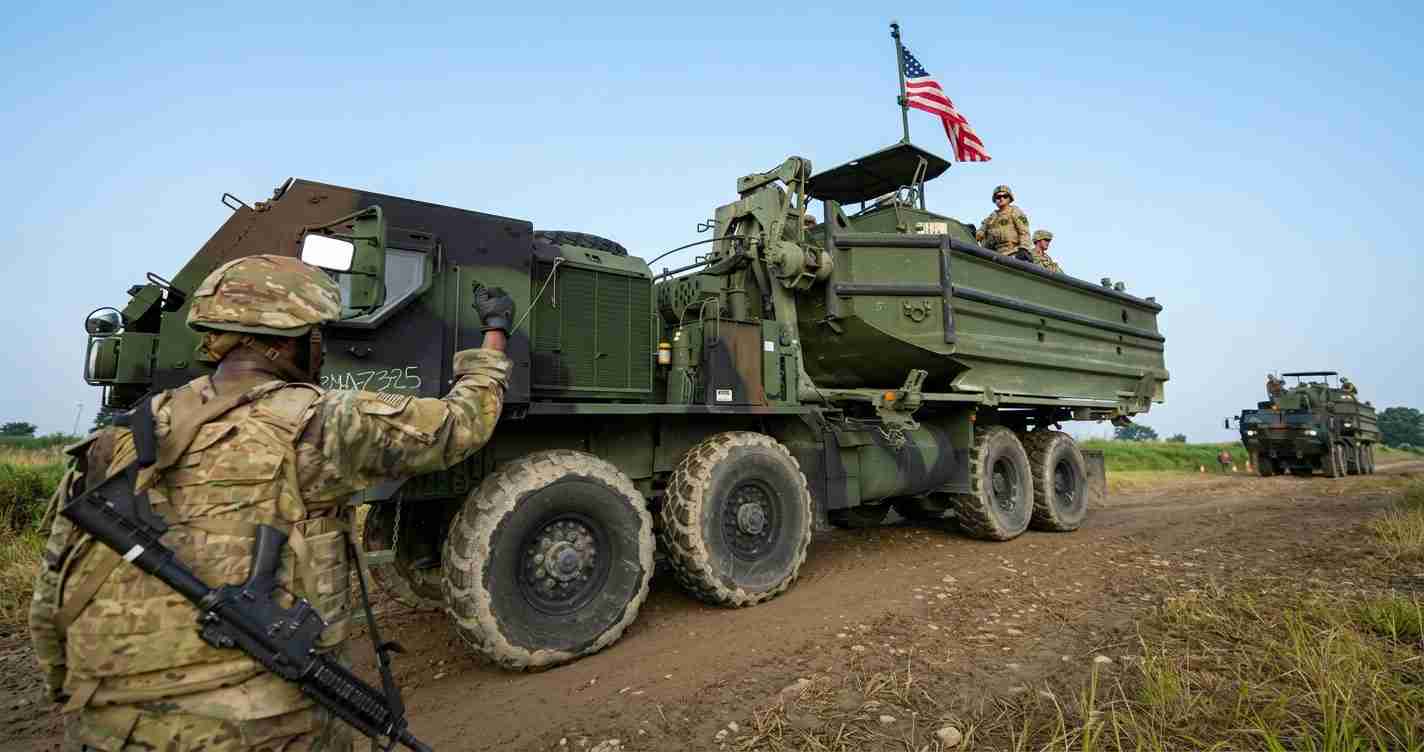
President Donald Trump announced “Operation Epic Fury” on February 28, 2026, initiating combat operations in Iran with Israel to target nuclear facilities, missiles and proxies, saying the strikes aim to eliminate imminent threats and prevent Iran acquiring nuclear weapons.
- Major combat operations: Trump declared the campaign “Operation Epic Fury” in an eight‑minute Truth Social video, announcing coordinated strikes with Israel targeting nuclear and missile sites.
- Coordination and targets: Israel focused on leadership and ballistic missile targets while U.S. forces struck sites identified as posing “imminent threats” to American forces and allies (Politico, CBS News).
- Regional escalation: Explosions were reported in Tehran, Iran launched missiles toward Israel and two U.S. bases, and air‑raid sirens sounded across Israel amid missile exchanges (CBS News, KOSU).
What Trump said and how the operation began
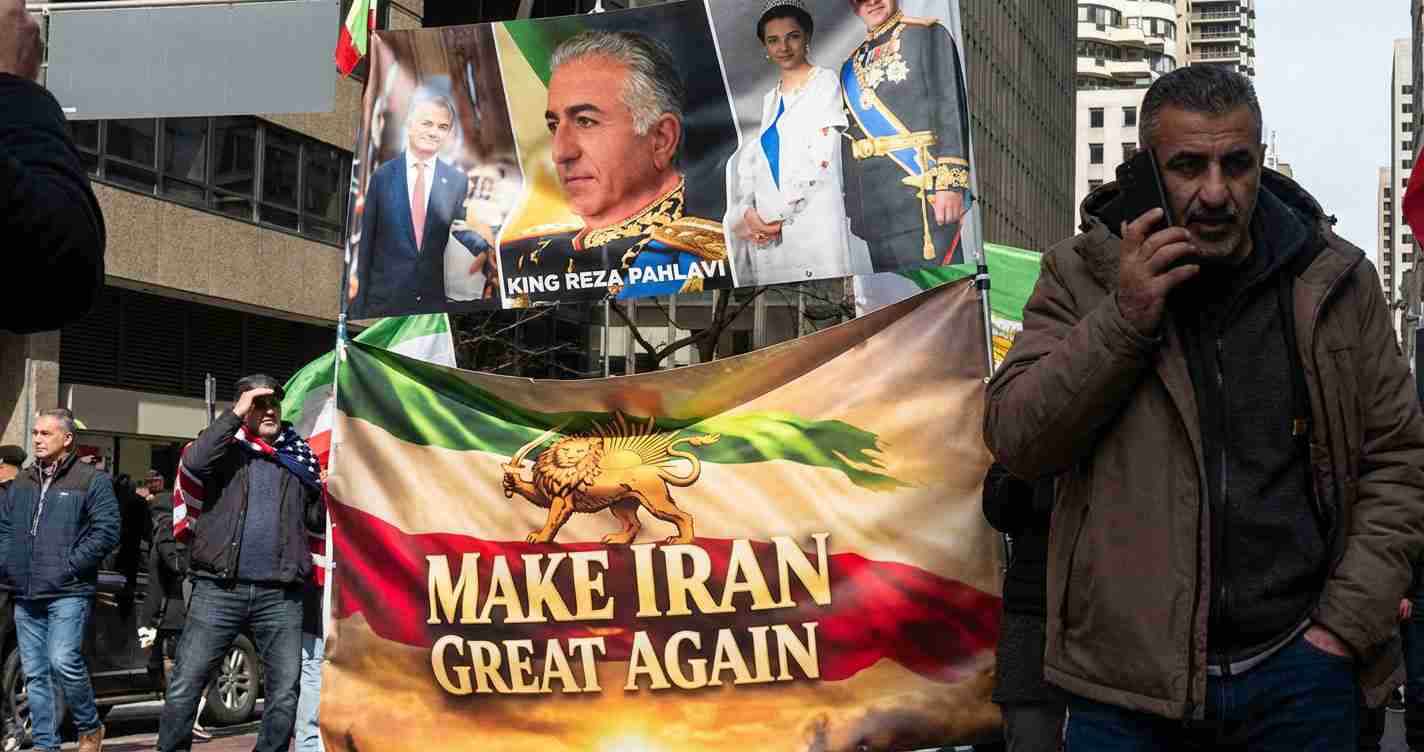
In a Truth Social video post, President Trump framed the strikes as a defensive, pre‑emptive action to remove imminent threats to Americans and allies. He named the campaign “Operation Epic Fury” and listed targets including nuclear facilities, long‑range missiles, shipborne threats and proxy groups tied to attacks on U.S. forces. Trump warned Iranian military and security forces they could surrender and receive immunity or face “certain death,” and he urged ordinary Iranians to rise up for their freedom. These remarks are available in the original video and contemporaneous reporting by CBS News and Politico.
Coordination with Israel and battlefield activity
U.S. officials described the strikes as coordinated with Israel. Reports indicate Israeli forces targeted leadership and ballistic‑missile programs while U.S. strikes concentrated on sites U.S. intelligence assessed as posing immediate threats to American personnel and allies. Live reporting documented explosions in Tehran, missile launches toward Israel and U.S. bases, and air‑raid sirens across Israeli population centers (CBS News; Politico; KOSU).
Officials cautioned the campaign included air, missile, cyber and psychological operations and warned of the risk of wider regional escalation.
History and context: how tensions reached this point
The roots of the current strikes include Iran’s nuclear ambitions, proxy warfare, incidents involving U.S. forces, and failed diplomacy. Key background elements cited by U.S. officials and the president include:
- Nuclear program: Iran’s pursuit of uranium enrichment and long‑range missile technology has alarmed the U.S. and allies; U.S. leaders have repeatedly stated that a nuclear‑armed Iran would be unacceptable (Politico).
- Previous U.S. strikes: In June 2025 the U.S. carried out strikes President Trump later called “Operation Midnight Hammer,” hitting facilities at Fordow and Isfahan—actions the president cited as warnings to Tehran (video reference).
- Proxy attacks and U.S. casualties: U.S. officials cited past attacks on American forces linked to Iranian proxies, including incidents in Iraq that resulted in U.S. service member deaths, as part of the operation’s justification (video reference).
- Failed diplomacy: Officials said weeks of negotiations failed to reach an agreement on Iran’s enrichment and ballistic missile programs; in late January the president warned of strikes “far worse” than June’s actions and cited deployment of a “massive armada” to the Persian Gulf as leverage (CBS News; Politico).
Statements from U.S. officials and uncertainties
U.S. officials told reporters the operation prioritized disabling capabilities that could immediately threaten U.S. forces, allies or the homeland and emphasized efforts to limit civilian casualties. They noted planning included options ranging from airstrikes to cyber operations and said phases could shift rapidly depending on Iranian responses (Politico; CBS News).
Trump’s message to Iranians and Americans
Trump cast the campaign as both defensive and aimed at aiding Iranian citizens. He reiterated that Iran “can never have a nuclear weapon,” urged Iranian security forces to surrender for immunity, and acknowledged the possibility of U.S. casualties while describing the mission as necessary for national safety (CBS News; video).
Implications for San Luis Obispo, California
Though there is no direct threat to San Luis Obispo (SLO), national military action and Middle East escalation can have local effects. Below are potential impacts and practical steps for residents and local institutions.
Economic effects
Fuel prices and cost of living: Global oil market volatility often follows Middle East escalations. SLO residents could see higher gas prices and increased costs for goods dependent on global shipping, affecting tourism‑dependent hotels, restaurants and vineyards.
Political consequences
Local discourse and civic response: The strikes are likely to surface in city council meetings, campus debates at Cal Poly San Luis Obispo, and among veterans’ groups seeking updates on potential mobilization. Moderates may press local leaders for clarity on national policy impacts.
Social effects
Community safety and National Guard concerns: Families of service members and veterans may experience anxiety if regional deployments increase. Community and faith organizations may organize support networks for military families and residents with ties to the region.
Cultural relevance
Campus and cultural life: Cal Poly and local institutions may host forums or teach‑ins to explain the conflict’s roots and spur community conversations about the Iran nuclear issue and U.S.–Israel relations.
Practical applications for residents
- Travel and advisories: Watch airline advisories and international travel guidance.
- Commerce: Local exporters/importers should prepare for potential delays and higher freight costs.
- Preparedness: Review emergency plans and monitor county alerts in case of broader mobilization or economic shocks.
Sources
Original reporting and primary materials referenced in this article:
Note: The situation remains fluid. Federal and military officials said operations are ongoing and that updates will follow as more information becomes available.