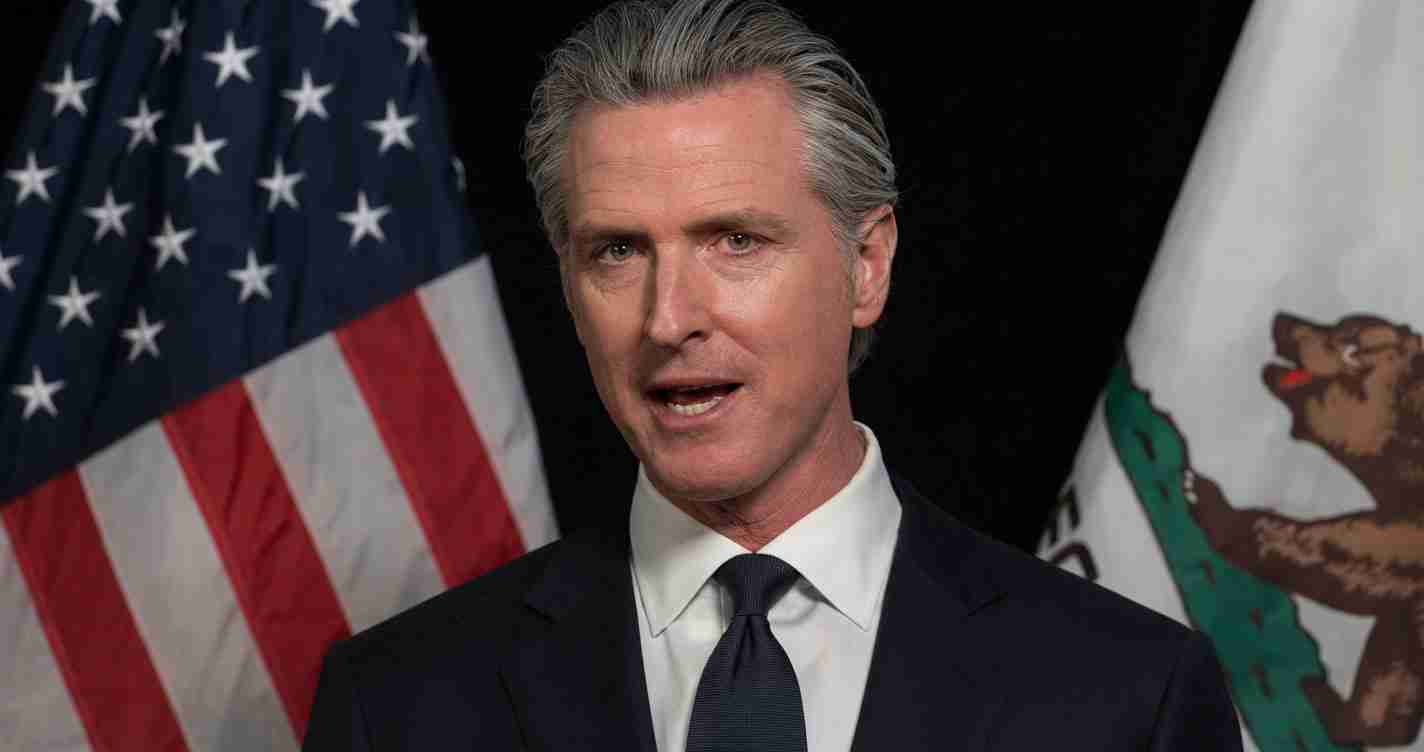
Former Vikings captain accuses Somali elites in Minnesota of welfare fraud; alleges luxury purchases and overseas transfers
Former Minnesota Vikings captain Jack Brewer has publicly accused Somali elites in Minnesota of widespread welfare fraud, claiming taxpayer-funded benefits were used to buy luxury sports cars and that funds flowed overseas amid reporting of a broader $9 billion fraud probe.
Key takeaways
- Brewer’s allegation: Jack Brewer said he witnessed Somali elites using public benefits for lavish purchases, including sports cars at Somali-owned dealerships, and criticized state oversight.
- Broader controversy: Investigations and activists point to a reported $9 billion welfare scandal in Minnesota involving questionable payments and contracts.
- Claims vs. verification: Activists allege some funds reached Somalia and possibly extremist groups; major independent verification of those links is not publicly documented.
- Community pushback: Somali leaders deny widespread abuse and demand evidence and due process.
What Jack Brewer says
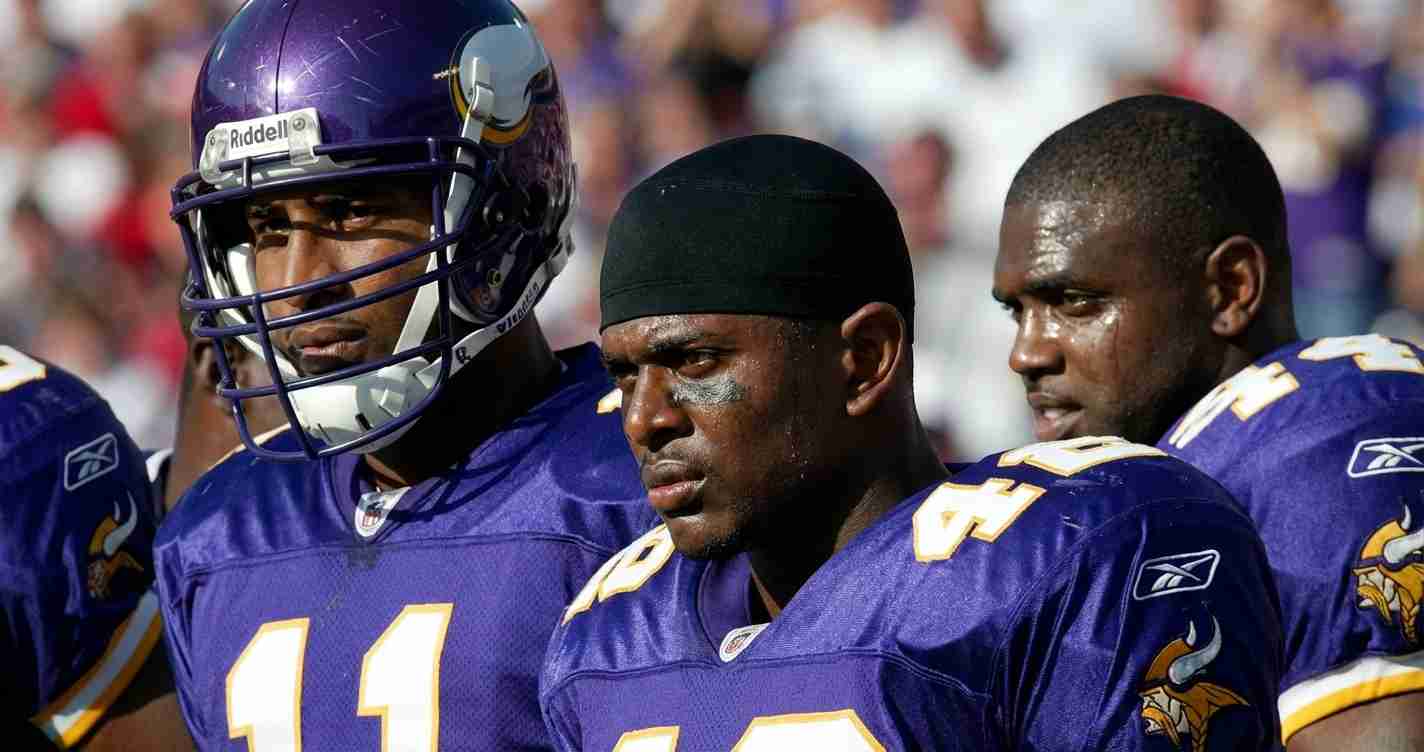
Brewer — a former NFL safety and one-time Vikings captain who joined the Minnesota Vikings in 2002 — went public describing what he called firsthand observations of Somali elites using taxpayer-funded welfare benefits improperly. He asserted purchases of luxury vehicles at local, Somali-owned dealerships and publicly criticized Minnesota leaders for lax oversight that allowed what he called a “$9 billion fraud scandal” to develop. Coverage of Brewer’s statements has been carried largely by conservative outlets.
Claims from activists and investigators
Activists such as Ryan Thorpe and Christopher F. Rufo have alleged that funds from programs connected to Medicaid Housing Stabilization Services, Feeding Our Future and other state initiatives were diverted overseas and that some money may have reached Somalia. Those activists state that federal counterterrorism sources confirmed millions of dollars were sent abroad and that Al-Shabab may have benefited. These allegations have been reported in advocacy and conservative media, but independent, mainstream corroboration of financial links to extremist groups is not publicly documented at this time.
Responses from the Somali community and leaders
Somali community leaders in Minnesota have strongly denied widespread welfare abuse. They emphasize that most families rely on legitimate work and services, warn that blanket accusations can stoke fear and division, and have called for due process and detailed evidence before accepting claims of systemic fraud or terrorism links.
Official actions and oversight steps
State and federal authorities have taken steps tied to the broader probe, including reported freezes on some Minnesota child care payments and requests for documentation. Reports note a Jan. 9 deadline for records in some cases, and auditors are reviewing payment streams tied to programs such as Medicaid Housing Stabilization Services and Feeding Our Future.
How reporting has unfolded
Early coverage of Brewer’s specific allegations has appeared primarily in conservative and niche outlets. Mainstream national outlets have covered the larger fraud inquiries and official actions, but independent verification of Brewer’s personal eyewitness claims or direct financial links to extremist groups is absent from major national reporting as of early January 2026. Readers should distinguish between eyewitness assertions, activist claims, and official findings.
Context: Minnesota’s Somali community
Minnesota hosts one of the largest Somali populations in the United States. By 2002, more than 5,000 Minnesota students reported Somali as their primary language at home, providing demographic context for why allegations concerning Somali networks draw public attention. Community advocates caution that accusations without clear evidence can harm families and legitimate businesses.
What is and isn’t verified
Verified: Jack Brewer publicly made these allegations and activists have made related claims about money flows; state and federal authorities have signaled investigations and, in some cases, frozen payments.
Not independently verified: Direct proof that Somali-owned dealerships sold cars paid for with diverted welfare checks, or that funds flowed from specific state programs to Al-Shabab, has not been documented in mainstream independent reporting as of this article’s publication.
Implications for San Luis Obispo, California
While the allegations originate in Minnesota, national attention could influence local policies and community dynamics in places like San Luis Obispo:
- Economic impact: Calls for tighter audits may increase reporting requirements for local service providers and nonprofits, potentially straining small organizations.
- Political consequences: Local debates may intensify over welfare oversight, immigration policy, and contractor vetting, becoming topics in municipal and county elections.
- Social effects: Immigrant families could face heightened suspicion; schools and civic leaders may need to guard against stigma and harassment.
- Cultural relevance: Integration groups, faith organizations and chambers may increase outreach to defend legitimate businesses and educate about compliance.
Practical applications for residents
Service providers: Expect increased documentation requests from funders; review internal controls and be ready to demonstrate how funds are spent.
Families: Keep accurate records when applying for benefits and seek assistance from local legal aid or community groups if questioned.
Local officials: Communicate clearly about audits, protect privacy, and ensure investigations are evidence-based rather than community-wide targeting.
Reporting notes and sources
This article draws on public interviews and coverage in conservative and national outlets. Readers seeking original reports and official statements can consult:
- BizPac Review
- AOL article on Jack Brewer
- Fox News video
- Fox News category page
- Fox.com watch clip
- KNEI Radio reporting
Journalists and officials pursuing this story should seek direct documents, transaction records, and statements from state auditors and federal agencies to move beyond allegations to verifiable findings. Substantiated evidence will be essential to distinguish criminal wrongdoing from rumor and to ensure oversight that protects taxpayers without unfairly targeting entire communities.