Joe Rogan warns “we’re closer to civil war” after liberal celebration of Charlie Kirk assassination sparks national debate
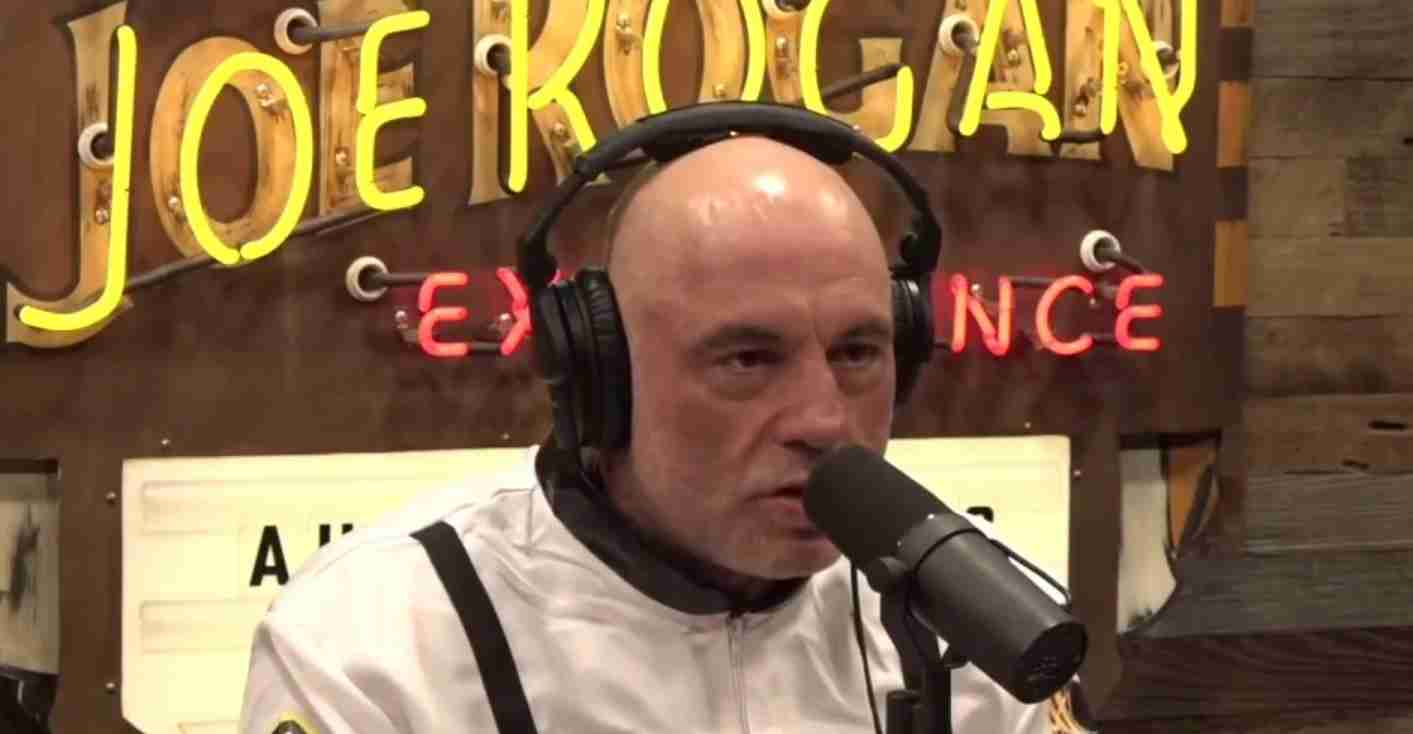
Podcast host Joe Rogan warned the U.S. is closer to civil conflict after some progressives publicly celebrated the assassination of Charlie Kirk, calling the reactions “evil” and raising alarms about political polarization, social media contagion and investigative transparency.
- Public reaction drove Rogan’s warning: Joe Rogan civil war warning after seeing ordinary people applaud Kirk’s killing.
- Fatal shooting details: Charlie Kirk was shot Sept. 10, 2025, at Utah Valley University; 22-year-old Tyler Robinson was arrested and charged, and prosecutors said they will seek the death penalty.
- Debate over media, motive and accountability: Rogan questioned aspects of the official account and called for more transparency in the investigation (Times of India coverage).
Rogan’s remarks and why they matter
Joe Rogan — host of a podcast with a multi-million audience — discussed the assassination and the aftermath across multiple episodes. He said he had earlier rated America’s risk of civil war about a 4 or 5 on a 1–10 scale, but the public applause he saw for the killing prompted him to raise that estimate into what he described as “bona fide civil war” territory. See Joe Rogan civil war warning.
What unsettled Rogan most was not only the act itself but that people who described themselves as progressive, and whom he called “normal people,” openly celebrated the killing. He labeled that public response “evil” and a sign of moral collapse, arguing the normalization of such reactions is especially dangerous for civic life. Fox News also covered Rogan calling out those who celebrated the killing: Fox News.
“Hearing normal people applaud the killing — not just fringe figures — was the scariest part,” Rogan said, warning that the nation could be headed toward real conflict.
Details of the shooting and legal case
Charlie Kirk, a national conservative organizer and frequent media figure, was shot on Sept. 10, 2025 during an event at Utah Valley University. Authorities arrested 22-year-old Tyler Robinson shortly afterward. Robinson faces charges including aggravated murder and other counts, and prosecutors have announced they will seek the death penalty in the case (reports summarized by Times of India and UNILAD).
Investigations into motive, mental health, and whether a wider plot existed were ongoing at the time of reporting. Questions about early reporting inconsistencies and witness accounts have driven calls for greater transparency from law enforcement and prosecutors.
Public and media reaction
The killing and the subsequent online celebration by some users ignited a social-media storm. Clips, posts and comments showing people cheering or mocking the shooting circulated widely, drawing condemnation from many and support from others who framed those reactions as expressions of long-simmering anger. Coverage and commentary from across the political spectrum amplified the debate (see coverage in Fox News and The Daily Beast).
Rogan’s commentary expanded the conversation: some agreed that visible approval of political violence is a sign of societal decline, while others cautioned that highlighted social-media examples may not be representative and can be selectively amplified to score political points.
Broader national anxiety and polling
The incident tapped into broader public unease about U.S. political polarization. Recent reporting cites polling showing a worrying share of Americans expect significant political violence in the near future, reflecting rising anxiety about safety and the stability of political norms (The Independent).
Experts warn that violent rhetoric and online celebration of harm can lower social barriers to real-world violence, especially when such reactions come from mainstream social roles rather than fringe actors. Rogan’s concern that “everyday people” cheering violence is particularly alarming echoes those expert warnings.
Fact-checking and open questions
News organizations and commentators have noted differences in how the shooting has been reported and which social-media posts were highlighted. Some observers stress that isolated posts do not equal broad public sentiment; others argue that even isolated examples from non-fringe people are cause for alarm. Rogan urged caution and called for more openness from investigators about the facts of the case (Times of India).
As legal proceedings continue, reporting will likely examine motive, the suspect’s background and mental-health factors, and whether the case reflects a broader pattern of politically motivated violence. Journalists emphasize careful verification of social-media claims to avoid inflaming tensions or spreading misinformation.
Implications for San Luis Obispo, California
- Public safety and campus concerns: Cal Poly and other local institutions may review security at speaking events and public gatherings and increase visible safety messaging to reassure students, faculty and visitors.
- Local political climate and civic life: The episode may deepen conversations about political tone and civility; community leaders might organize town halls and educational programs to counter violent rhetoric.
- Media literacy and social media effects: The national debate underscores the need for programs teaching residents to evaluate sources, verify claims and understand how viral posts can misrepresent public sentiment.
- Economic and tourism considerations: While major economic shifts are unlikely, event organizers may need clearer safety communications to maintain attendance at festivals, wine events and outdoor activities.
- Practical steps: Officials may remind residents to report suspicious activity, rely on verified channels, and avoid sharing unverified social-media content; nonprofits and faith groups can help lead community resilience efforts.
Reporting notes and sources
This article draws on multiple published reports summarizing Rogan’s podcast comments and the public response to the Charlie Kirk assassination, including coverage by major outlets. Key source links:
Reporting for Times Media Service.