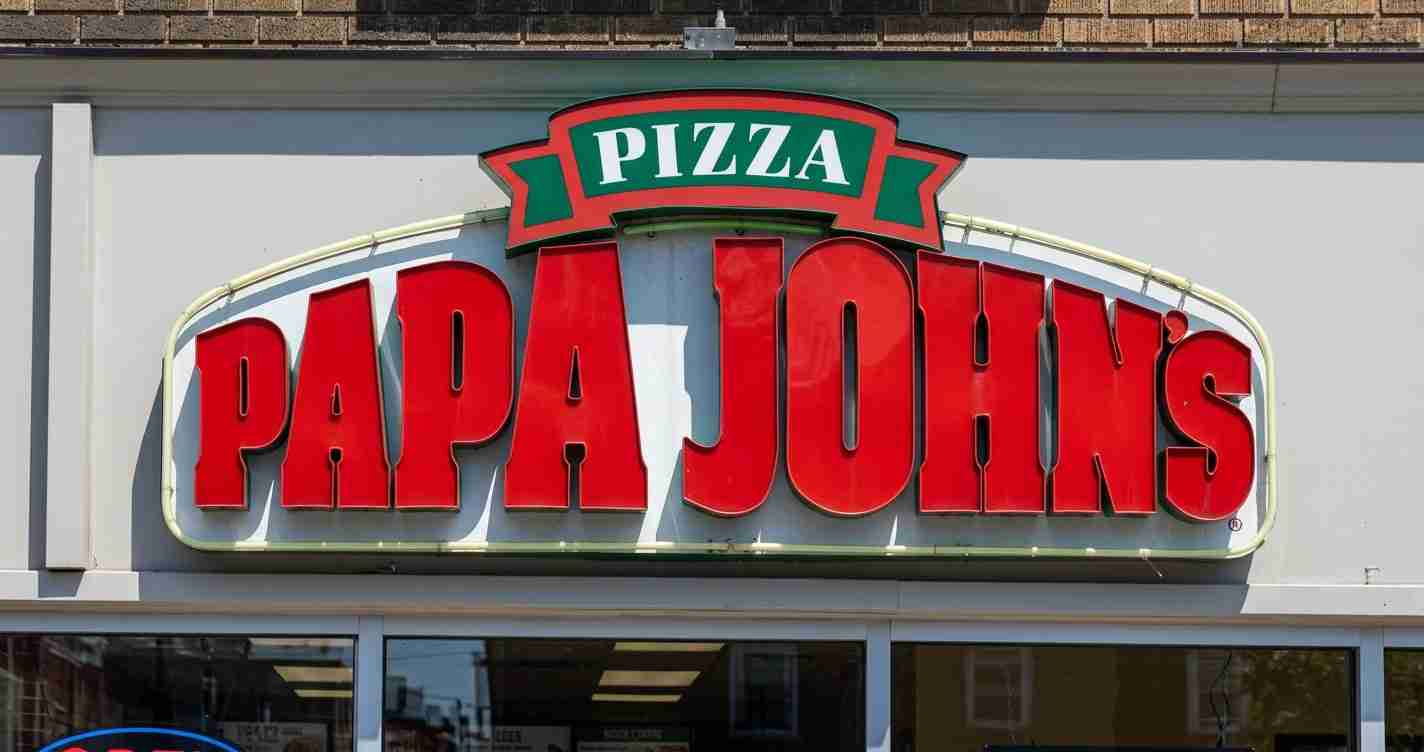
Papa Johns to Close About 300 North American Stores — Sun Belt and California Hit Early as Pizza Chain Reworks Footprint
Papa Johns will close about 300 underperforming North American restaurants by the end of 2027, shuttering roughly 200 in the first year and cutting 7% of corporate staff to boost average unit volumes and franchise economics.
- Scope: A multiyear program targets roughly 300 North American locations, with about 200 closures in year one.
- Targets: Mostly franchise-owned, older, low-volume stores (often under $600,000 AUV) concentrated early in Sun Belt states and California.
- Workforce & growth: Company will cut ~7% of corporate staff while opening 40–50 new North American restaurants in year one as part of a portfolio shift.
- Sources: Reporting and filings summarized from CBS News, Restaurant Dive, KTVU and Fox Business.
Main coverage: Program details, rationale and local impacts
Scope and timing of the closures
Papa Johns operates roughly 6,000 locations worldwide, but this initiative focuses on North America. Company filings and statements describe a phased plan: about two‑thirds of the identified restaurants will close in the first year, with the balance completed by the end of 2027. Management calls this one of the chain’s largest downsizings in its history.
Early regulatory filings tracked by reporters show roughly 44 closures across 17 states so far, with concentrations in Texas, California, Florida and Arizona — consistent with the company’s description of early exits in Sun Belt markets (KTVU).
Which stores are being closed
The company says it reviewed restaurants “surgically,” weighing local trade areas, asset quality and long‑term sales potential. Executives, including CFO and North America president Ravi Thanawala, said targeted stores are primarily franchise‑owned, typically more than a decade old and often report annual sales below $600,000, levels that commonly produce negative four‑wall income before corporate allocations (Restaurant Dive).
“We reviewed each site individually and targeted locations where sales can be transferred to nearby, higher‑volume units.” — Company statement summarized in filings and reporting
Corporate rationale and expected benefits
Management frames closures as strategic pruning — a way to lift average unit volumes (AUVs) and strengthen franchise economics. Papa Johns projects at least a 3% lift in AUVs from the program and points to a U.K. initiative led by Thanawala that produced about a 17% AUV improvement as precedent (Restaurant Dive).
At the same time, the chain plans to add select restaurants: management expects to open 40–50 new North American units in the first year while closing older, low‑volume stores, with a goal of resuming steadier growth after 2027.
Workforce reductions and cost moves
Alongside closures, Papa Johns is reducing its corporate headcount by roughly 7% to simplify spans and align resources with transformation priorities. CEO Todd Penegor has pushed toward a more asset‑light model that favors franchising; the chain recently refranchised dozens of units and aims to cut corporate‑owned restaurants to mid‑single digits (CBS News).
Financial performance and investor reaction
Closures come after softer same‑store sales in North America and prolonged pressure on the stock. Shares have declined substantially over the past five years and remain lower year‑to‑date as investors assess whether the pruning and cost moves will restore durable growth. Analysts acknowledge the move as necessary but caution the turnaround may take time (Restaurant Dive).
Broader headwinds: costs and competition
Franchisees and quick‑service operators face higher costs for food, packaging and labor plus lingering supply‑chain pressures. The pizza segment is also more crowded: industry analysis shows pizza restaurants now trail Mexican concepts and coffee shops in sheer numbers, underscoring shifting consumer tastes and tighter meal occasions — trends that make low‑volume pizza locations less viable (Restaurant Dive).
Competitor moves
Other national pizza brands have pursued similar adjustments. For example, Pizza Hut has closed hundreds of locations and shifted formats toward delivery and carryout while its parent, Yum! Brands, explores strategic options. Across quick service, many chains are pruning weak units and leaning into franchising, digital ordering and value strategies to protect margins (KTVU).
What the closures mean for communities and customers
When a store closes, neighborhoods can see empty storefronts or a replacement tenant quickly move in. In many cases the company intends to transfer sales to nearby higher‑volume units; where that isn’t possible, communities may lose convenient delivery or late‑night pickup options. Local franchise closures also mean lost hourly jobs — cooks, drivers and shift leads — that can tighten local labor markets temporarily (CBS News).
Implications for San Luis Obispo, California
Local footprint: San Luis Obispo County mixes national chains and independent pizzerias. California figures among states with multiple early closures, so San Luis Obispo — like other California markets — may see reduced Papa Johns visibility and fewer nearby delivery/pickup options (KTVU).
Economic and job effects: Store‑level closures typically eliminate hourly roles. While the corporate 7% reduction is not local, it signals wider cost pressure that can ripple to franchised outlets in the county (Restaurant Dive).
Competition and options: Local residents and students have alternatives — independent pizzerias, rivals and fast‑casual concepts — which could absorb customers who leave Papa Johns.
Real estate: Vacant locations may create short‑term vacancies on commercial strips; landlords in tourist and downtown areas may re‑lease quickly depending on rents and foot traffic (CBS News).
Consumer impact: For customers reliant on Papa Johns for late‑night or budget meals, closures could mean longer deliveries or a shift to competitors; the company says it will try to shift volume to nearby stores where feasible (Restaurant Dive).
Reporting and sources
This report synthesizes company filings, executive statements and coverage from national and local outlets. Key sources include CBS News, Restaurant Dive, KTVU and Fox Business, plus regulatory filings and regional reporting.
If you would like, I can compile a state‑by‑state list of confirmed closures so far or map likely San Luis Obispo–area stores at risk using AUV thresholds and franchise ownership patterns.