Trump praises Rand Paul after National Capital Planning Commission approves contested White House ballroom despite injunction
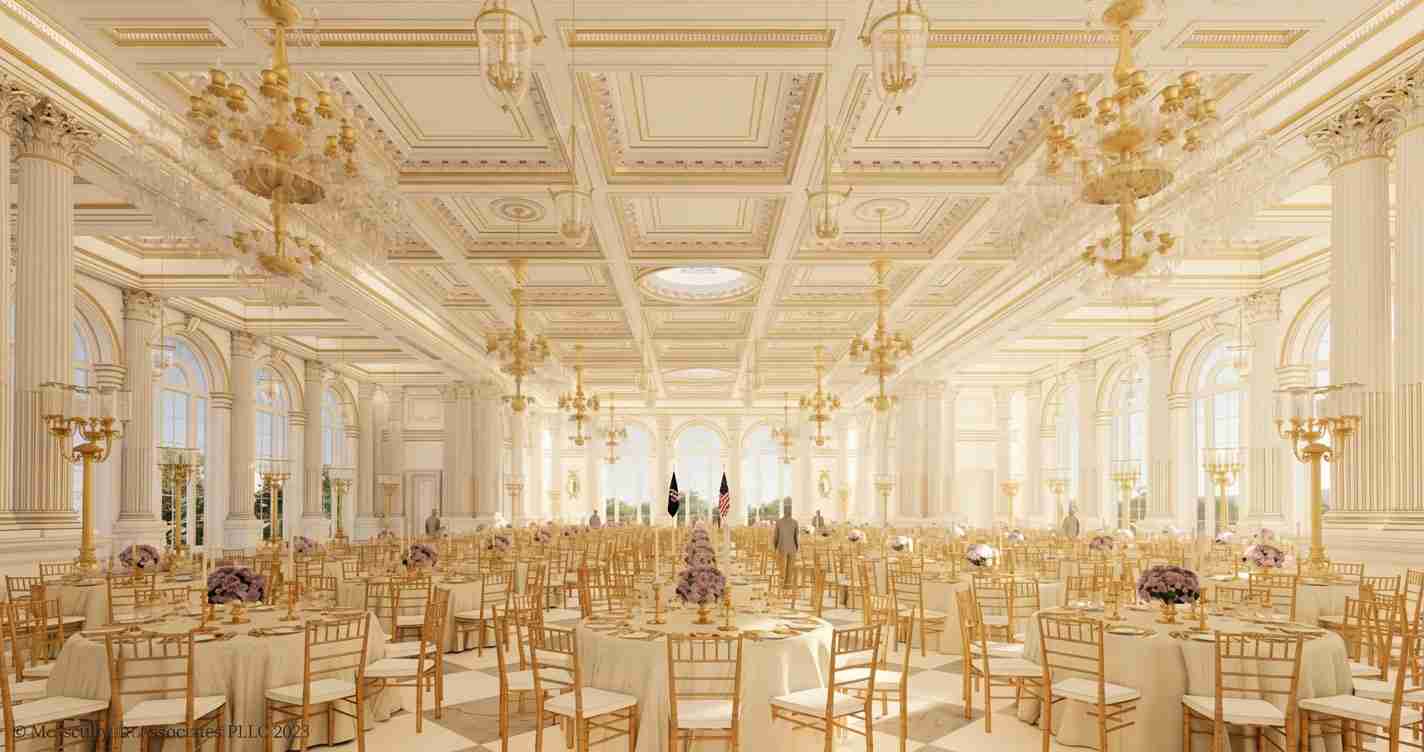
President Donald Trump praised Senator Rand Paul after the National Capital Planning Commission approved plans for a 90,000-square-foot White House ballroom, even as a federal judge issued a preliminary injunction halting construction pending congressional approval.
- NCPC approval: The commission voted 8-1 to approve the revised East Wing modernization plan that includes a 90,000-square-foot ballroom.
- Judge’s injunction: U.S. District Judge Richard Leon issued a preliminary injunction blocking ballroom construction until Congress explicitly approves the work.
- Funding and timeline: The White House says the project is privately funded, estimated at about $400 million and could finish by 2028, though timelines are now uncertain.
- Legal and political fight: The administration has appealed the ruling; preservation groups hailed the decision as a check on unilateral presidential authority.
Trump praises Rand Paul and NCPC vote
At a Thursday meeting the National Capital Planning Commission approved revisions to the East Wing modernization plan, including the proposed ballroom. The board voted 8–1 in favor. President Trump posted on Truth Social thanking NCPC staff and commissioners and specifically noting that “even Board Member Senator Rand Paul, known as an extraordinarily difficult vote, voted a strong YES.”
See coverage of the NCPC vote and Trump’s post.
Legal challenge and the injunction
U.S. District Judge Richard Leon issued a 35-page preliminary injunction on Tuesday that bars construction until Congress grants explicit approval. Leon wrote, “The President of the United States is the steward of the White House for future generations of First Families. He is not, however, the owner!”
The ruling rejects the administration’s contention that the president may unilaterally authorize such structural changes.
The suit was brought by the National Trust for Historic Preservation, which praised the decision as a “win for the American people” and argued it protects independent review of White House grounds changes. The Trump administration filed an immediate appeal, setting up continued legal contention.
Read the Source on the injunction and court ruling.
Project scope, cost and revisions
Plans call for a roughly 90,000-square-foot ballroom built on the footprint of the demolished East Wing. The White House says the construction is privately funded and estimates the cost at about $400 million, with a projected completion date in 2028 if built. Design changes were made before the NCPC vote — notably removing previously reported oddities described as “stairs to nowhere.”
See Design reporting on revisions described before the vote.
Donor transparency remains contested: the White House released a partial donor list but not amounts. Critics and preservation groups press for full disclosure about who is funding major alterations to a national landmark.
Security work and demolition status
Judge Leon’s injunction specifically targets construction of the ballroom while allowing some security-related upgrades to continue. The administration says certain underground security measures are distinct from ballroom construction and may proceed. Satellite images and reporting indicate the East Wing has already been demolished as part of early work on the project.
See reporting and imagery that document demolition and security work: Tucson.com coverage and background reporting.
Trump–Paul relationship: why the shout-out matters
Trump’s public praise of Sen. Rand Paul is notable given their long and often contentious history dating back to the 2015 GOP primary. The pair have clashed repeatedly — over tariffs, military strikes, and foreign policy — and Paul has at times broken from Trump’s positions. That makes Paul’s decisive NCPC vote and Trump’s subsequent public thank-you a politically significant gesture.
Background on their disputes and recent Senate votes is summarized in regional reporting: Background reporting.
Reactions, appeals and what’s next
Preservation groups and critics argue the dispute underscores the need for congressional oversight and transparency in private funding tied to public landmarks. Supporters counter that the project modernizes East Wing space without using taxpayer dollars for construction. Legally, the administration’s appeal is the immediate next step; politically, the NCPC approval may be used to build momentum in parallel efforts with Congress.
Implications for San Luis Obispo, California
Economic impact: National headlines around the project, injunction and donor debates could indirectly increase interest in travel and events, producing modest benefits for San Luis Obispo–area hotels and tour operators. If donors from California or the Central Coast appear on donor lists, local fundraisers and political activity could follow.
Political consequences: The dispute may energize local debates about checks and balances, historic preservation and private funding of public spaces. Candidates and officials might cite the case when discussing limits on executive power and transparency requirements.
Social and cultural effects: Preservation groups and civic organizations may use the case as a model, increasing public forums, op-eds and civics programming about federal oversight of landmarks and private donations tied to public property.
Practical applications for residents
- Monitor local council and planning commission discussions; similar proposals at home could prompt policy changes.
- Expect heightened calls for donor transparency and clearer disclosure rules on major publicly connected projects.
- Use the case to engage with civic hearings, preservation groups and local decision-makers about safeguards for historic places.
Reporting note and sources
This article draws on reporting and court coverage from Times Media Service and other outlets, including detailed accounts of the NCPC vote, the preliminary injunction and background on the Trump–Paul relationship. Sources used include: Tucson.com article, The Times design reporting, and SCNow background reporting.