Yosemite marks 10,000th California red‑legged frog release after decade of coordinated recovery work
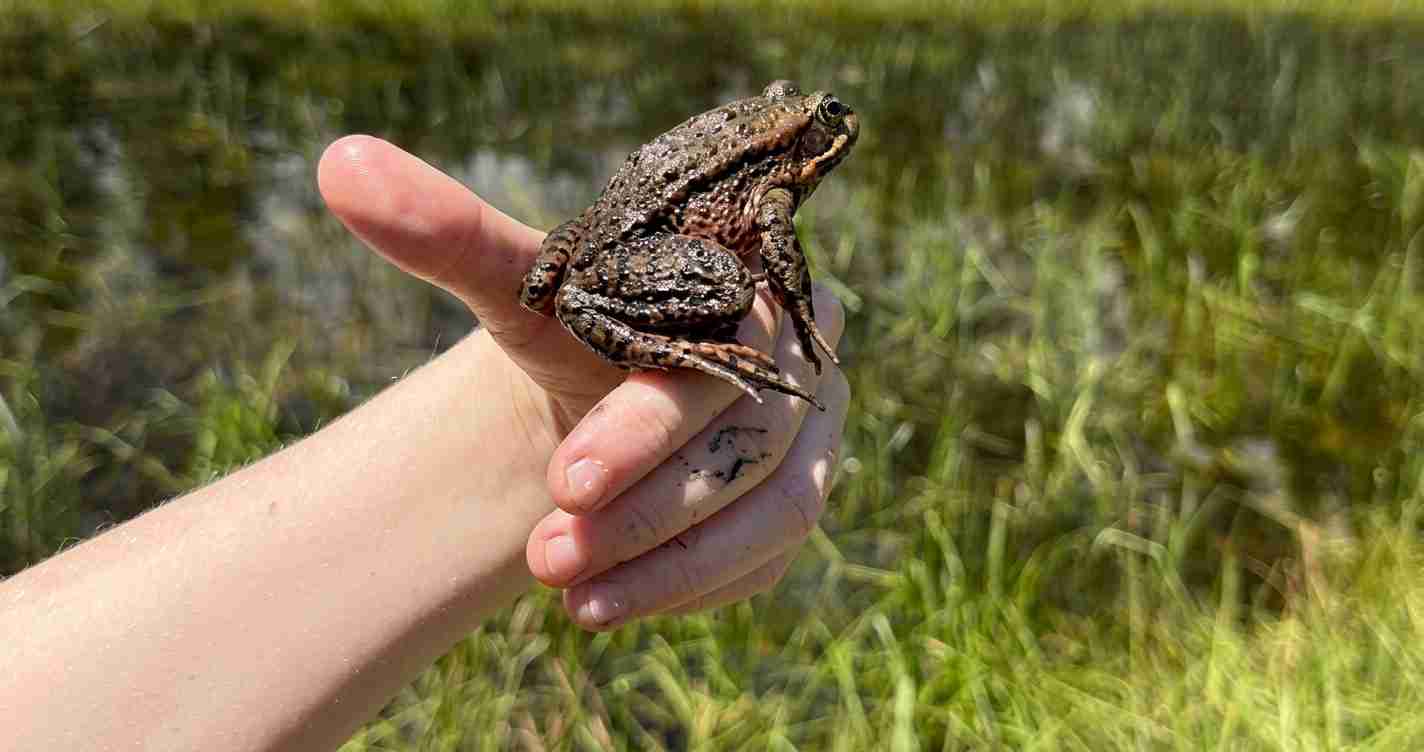
Yosemite National Park released its symbolic 10,000th California red‑legged frog, “Twain,” on May 7, 2026, the culmination of a decade of invasive‑species removal, habitat restoration and captive rearing to reestablish locally extinct populations.
- Milestone release: The program’s symbolic 10,000th juvenile—nicknamed Twain—was released in Yosemite Valley on May 7, 2026.
- Coordinated partners: National Park Service, U.S. Fish and Wildlife Service, California Department of Fish and Wildlife, Yosemite Conservancy, and San Francisco Zoo & Gardens led the effort.
- Methods that worked: A decade of bullfrog removal, Merced River Plan habitat restoration, and offsite rearing of juveniles produced multiple frog generations in the valley.
Key information
Event: Release of the program’s symbolic 10,000th California red‑legged frog, nicknamed “Twain”, in Yosemite Valley on May 7, 2026.
Lead partners: National Park Service, U.S. Fish and Wildlife Service, California Department of Fish and Wildlife, Yosemite Conservancy, and San Francisco Zoo & Gardens.
Methods: Decade‑long invasive bullfrog removal, habitat restoration under the Merced River Plan, and a rearing facility in San Francisco that raises frogs from wild eggs to 1–2 year juvenile frogs for release.
Impact: Multiple frog generations now established in Yosemite Valley after local extinction decades ago.
Sources: California Department of Fish and Wildlife, National Park Service, ABC30.
A decade of steady work to bring a frog back
The California red‑legged frog was once common in Yosemite’s ponds, streams and wet meadows but fell to zero in Yosemite Valley decades ago. Nonnative American bullfrogs, introduced to the park, became the primary culprits — they eat smaller frogs and compete for food. Raccoon numbers, boosted by open refuse sites used into the 1970s, also contributed by consuming eggs and young frogs.
Park biologists emphasize that the recovery was gradual: staff spent years removing bullfrogs and managing other threats. The Merced River Plan guided large habitat fixes that rebuilt wetlands, repaired streambanks and improved river systems frogs need for breeding and survival. Those projects made the landscape able to support frogs again, officials said.
Sources: California Department of Fish and Wildlife; National Park Service.
Rearing frogs offsite, releasing them onsite
A dedicated rearing facility opened in San Francisco in 2016 as a partnership between the NPS and the San Francisco Zoological Society. Staff collect eggs from the wild, raise tadpoles in controlled conditions, and keep young frogs safe until they reach the one‑ to two‑year juvenile stage—reducing early mortality that might occur if eggs were left exposed in restored habitats.
Over the past 10 years the program released more than 10,000 juveniles into Yosemite Valley. In 2026 partners planned to release about 830 juveniles and expected to rear around 600 eggs. Despite drought, severe winters and flooding, the released frogs have produced multiple generations in the valley — a sign of resilient recovery.
Sources: California Department of Fish and Wildlife; San Francisco Zoo & Gardens lead statements reported by ABC30.
Voices from the field
Rob Grasso, aquatic ecologist at Yosemite National Park, said the recovery “shows what long‑term work can achieve.” He noted:
“After invasive bullfrogs eliminated red‑legged frogs from the area decades ago, we removed those threats and created conditions for recovery. Today, multiple generations of frogs are established in Yosemite Valley.”
Kim Turner, acting field supervisor for the Sacramento Fish and Wildlife Office, stressed collaboration: “Our partners have been essential to the recovery of the California red‑legged frog. We appreciate the progress made over the past decade and remain committed to this collaborative effort.”
Laura Patterson, amphibian and reptile conservation coordinator at CDFW, highlighted state grants: “Grants administered by the Department, using funds approved by the voters of California, facilitated the habitat restoration necessary for the success of this recovery effort.”
Source: NPS event notes and agency remarks reported at the May 7 event; CDFW release at CDFW.
Science, funding and public support
The recovery blends fieldwork, science and public investment. Yosemite Conservancy donors funded research and restoration. The CDFW administered state grants using voter‑approved funds to support habitat projects tied to the Merced River Plan. Research partnerships, including work with UC Santa Barbara, helped shape reintroduction methods.
Sources: CDFW; Yosemite Conservancy; NPS event notes.
A species profile: why the frog matters
About the California red‑legged frog: It is the largest native frog in the western U.S., typically two to five inches long, with a distinctive reddish belly and a soft call. It is California’s official state amphibian and is listed as federally threatened.
The species inhabits ponds, streams and wet meadows and serves as a key indicator of healthy aquatic systems. Restoring the frog benefits other species and helps rebalance local food webs.
Source: CDFW species information.
How Yosemite overcame the threats
Invasive American bullfrogs were the principal threat; park staff undertook years of targeted removal to reduce their numbers. Managers also mitigated raccoon predation tied to historic open refuse sites. Habitat changes under the Merced River Plan rebuilt wetlands and stream areas, restoring conditions needed for breeding and survival. Together, these efforts enabled reintroduced frogs to survive and reproduce.
Implications for San Luis Obispo, California
Economic impact: San Luis Obispo County, which depends on nature tourism, can use Yosemite’s recovery as a model to boost conservation branding, attract grants, and support wetland and stream restoration that enhances outdoor recreation.
Political consequences: The project demonstrates how federal, state and local partnerships can deliver conservation results. State grant programs used in Yosemite may be replicated locally to fund habitat work without major regulatory overhaul.
Social effects & cultural relevance: Restoring a visible native species can strengthen public engagement—schools, community groups and volunteers can adopt amphibian awareness, citizen science monitoring and stewardship programs. As California’s state amphibian, the frog’s recovery can inspire regional pride.
Practical applications: Techniques from Yosemite—bullfrog removal, targeted habitat work under river management plans, and captive rearing with careful releases—offer direct lessons for San Luis Obispo watershed managers, land trusts and local partners considering similar restoration projects.
Partners and contacts
Key partners include the National Park Service, U.S. Fish and Wildlife Service, California Department of Fish and Wildlife, Yosemite Conservancy, and San Francisco Zoo & Gardens.
For more details on the program and the May 7 event, see the CDFW news release, the NPS event page, and local coverage from ABC30.
Reporting notes
Reporting for this story drew on agency releases and on‑site remarks by park and agency staff at the Yosemite Valley event. For ongoing conservation updates and event scheduling, visit the National Park Service page and the California Department of Fish and Wildlife archive.