Jack Smith’s Eight-Hour Deposition: Key Takeaways from the Special Counsel’s Stark Defense of the Trump Investigations
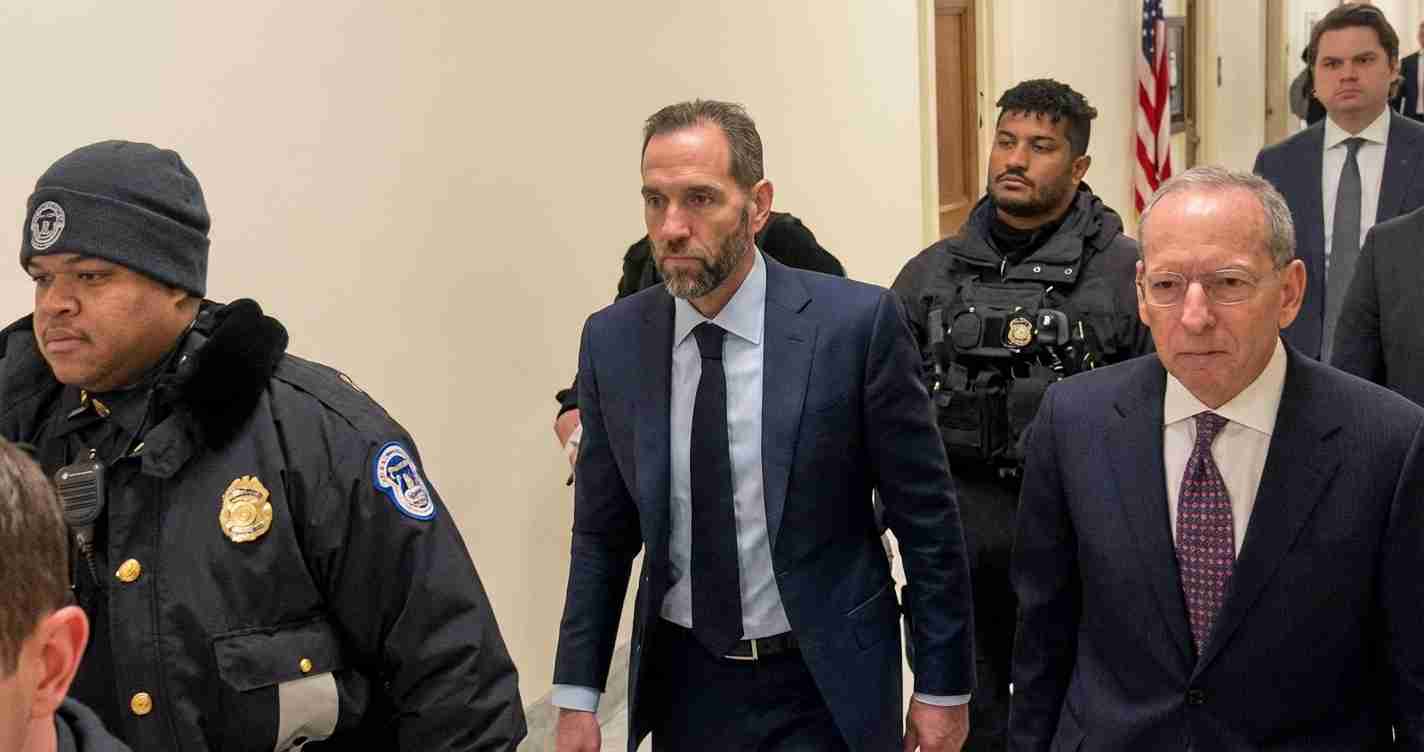
Special Counsel Jack Smith spent roughly eight hours in a closed-door deposition defending his investigations into former President Trump, stressing an evidence-first approach in both the January 6 election-interference and Mar-a-Lago classified documents matters while warning of retaliation.
Key takeaways
- Eight-hour deposition; transcript and video released — the transcript and video were posted for public review on New Year’s Eve.
- Decisions grounded in law and evidence — Smith said he would have declined charges without proof and made decisions “without regard to President Trump’s political association.”
- Proof beyond a reasonable doubt — Smith told lawmakers his office developed evidence meeting that standard in both the election-subversion and classified-documents cases.
- January 6 findings — Smith said evidence showed Trump “caused” and “exploited” the Capitol violence and that some actions were foreseeable.
- Witness safety and impartiality — Smith described steps to avoid bias, warned of witness intimidation, and expected retaliation against his team.
Main content
What happened at the deposition
When: The closed-door session before the House Judiciary Committee occurred on Dec. 17 and ran roughly eight hours, according to the committee materials released at year end. Reporters and analysts reviewed the transcript and video after they were posted on New Year’s Eve. The public release sparked detailed coverage and legal analysis.
Smith’s statement on decision-making
Smith told the committee,
“I made my decisions in the investigation without regard to President Trump’s political association, activities, beliefs, or candidacy in the 2024 presidential election.”
He emphasized focusing on the facts and the law after his 2022 appointment by then-Attorney General Merrick Garland and stressed he would not have brought charges if the evidence did not support them.
Evidence standards and willingness to prosecute
Standard claimed: Smith said his office developed evidence meeting a “proof beyond a reasonable doubt” standard in both the election-related and classified-documents cases. He said he would prosecute a former president the same way he would any other person when facts justified it, and added he has “never” prosecuted someone he did not believe was guilty.
What Smith said about January 6
Smith described the evidence as showing Trump had “caused” and “exploited” the January 6 violence, saying that some communications and actions helped fuel the attack and that certain outcomes were foreseeable. He specifically noted communications that he said endangered Vice President Mike Pence and used those points to underpin the election-interference charges.
Details on the classified documents case
On the classified-documents matter, Smith said his office had evidence supporting charges tied to the retention and handling of classified materials at Mar-a-Lago after the end of the administration in 2020. The probe examined whether legal safeguards were violated and whether official protocols for classified materials were followed or ignored.
Team impartiality and conflict steps
Smith described measures taken to avoid even the appearance of bias, including removing an FBI agent from the investigation after learning of a private family email dispute tied to January 6. He said there was no evidence the agent’s official actions were partisan but that the step was taken to preserve impartiality.
Public testimony, witness safety, and retaliation
Smith said he had requested a public hearing to explain his office’s work and to defend career prosecutors and agents who had been “vilified,” but that Republicans denied that request. He warned that witness intimidation is “the most corrosive thing” to the rule of law, recounted past cases in which witnesses were killed, and said he would not be surprised if President Trump or others sought retaliation — citing social-media posts attacking his character.
What Smith said about cooperating witnesses
Smith told the committee the election case included testimony from Trump allies and associates, and that some were willing to cooperate and testify against Trump. He said that cooperation helped shape the case and that there were moments when he considered not indicting but proceeded because the evidence required prosecution.
Transcript release and reporting context
The full transcript and video of Smith’s testimony were released on New Year’s Eve and have been analyzed by reporters and legal experts. Coverage emphasized Smith’s insistence on an evidence-first approach, his willingness to bring charges against a former president when facts warrant, and the political backlash his office has faced.
Implications for San Luis Obispo, California
Local civic trust and institutions: San Luis Obispo County depends on confidence in public institutions — from law enforcement to courts and elections. Smith’s emphasis on following evidence and the law, regardless of politics, may reassure residents who value nonpartisan institutions.
Political engagement and turnout: The deposition may remind voters that national issues influence local politics. Moderates in the county who favor measured institutions may be encouraged to host forums, town halls, or civic events focused on election integrity and accountability.
Impact on local elections and candidates: Local candidates and political clubs could reference the deposition in messaging — moderates may highlight Smith’s evidence-driven stance, while others may argue for safeguards around special counsels and federal probes.
Community safety and public discussion: Smith’s warnings about witness intimidation and retaliation underline risks relevant to all communities. Local leaders and law enforcement in San Luis Obispo may review protections for public servants and witnesses and consider training or awareness efforts.
Practical effects on daily life: For most residents, the immediate effect will be increased news coverage and debate, which can influence attendance at public meetings, donation patterns, volunteerism, and demand for clear, nonpartisan voter-education resources.
Source material and where to read more
– Full reporting on the deposition and transcript release
– Additional coverage and transcript analysis