Senate adopts rule to hold senators’ pay in escrow during future shutdowns in bid to force “shared sacrifice”
The U.S. Senate unanimously adopted a resolution to withhold senators’ pay during future federal government shutdowns, placing salaries in escrow with the Secretary of the Senate and releasing them only once the government reopens after funding lapses end.
- New Senate rule: Senators’ pay will be paused and escrowed during shutdowns, to be paid after government reopens.
- Timing: The rule is set to begin after the November 2026 elections, so it won’t apply to current senators for earlier shutdowns.
- Intent: Championed by Sen. John Kennedy to encourage “shared sacrifice” and align lawmakers’ incentives with federal workers.
- Limitations: Applies only to senators, is symbolic in that pay is ultimately restored, and raises implementation questions.
What the Senate approved
The Senate adopted an internal resolution instructing the Secretary of the Senate to pause issuing senators’ paychecks during any declared federal government shutdown. Withheld pay would be placed in escrow and released only after the government reopens. This is a Senate-only procedural rule and does not require approval by the House or the president. (Sources: U.S. Senate, ABC News)
Sponsor and rationale: The resolution was advanced by Sen. John Kennedy (R–La.). Supporters say the change is meant to align lawmakers’ incentives with those of federal employees who went unpaid during recent shutdowns.
Effective date: Reporting indicates the rule will not take effect immediately; it is set to begin after the November 2026 elections, so current senators would not have pay withheld for shutdowns before that date. (Sources: ABC News, Reuters)
How the pay-withholding mechanism works
Under the rule, the Secretary of the Senate would pause salary payments to senators during a declared federal government shutdown. The funds would be held in escrow, not forfeited, and distributed after Congress and the president resolve the budget impasse and the government reopens.
The design relies on timing rather than a permanent pay cut to avoid constitutional concerns about changing congressional compensation midterm. (Sources: U.S. Senate, ABC News)
Why Sen. John Kennedy pushed the measure
Kennedy framed the move as an effort to force shared sacrifice after tens of thousands of federal employees went without pay during two lengthy shutdowns within about a year. He cited hardships experienced by federal employees and contractors—FBI agents, park rangers, CDC staff and others—and argued senators should face direct consequences for using shutdowns as leverage.
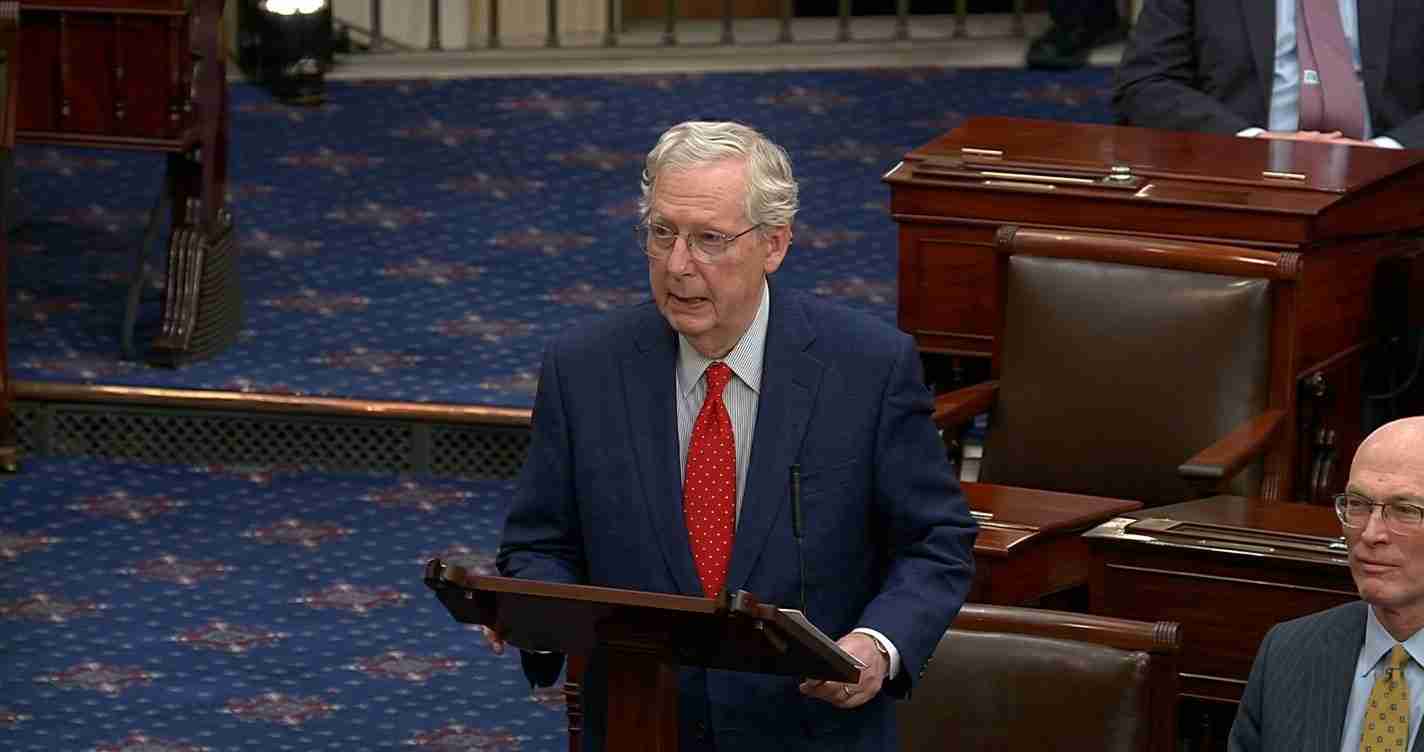
“We ought to hide our heads in a bag. It’s got to stop.” — Sen. John Kennedy (on the Senate floor)
The shutdowns that prompted the change
Sponsors point to two major shutdown episodes:
- 43-day full government shutdown: Furloughed hundreds of thousands of employees and disrupted programs; reporting tied that shutdown to partisan fights over Affordable Care Act subsidies. (Sources: ABC News, Reuters)
- 75–76 day DHS partial shutdown: Left many TSA workers, Coast Guard members and other DHS staff without pay and affected airport and security operations. (Sources: ABC News, U.S. Department of Homeland Security)
Coverage emphasized the optics of lawmakers continuing to receive pay while federal workers went unpaid—an imbalance the Kennedy resolution aims to address. (Sources: ABC News, The Associated Press)
Other measures and policy alternatives
The Senate resolution is one of several proposals to blunt shutdowns or protect workers:
- Guaranteed pay legislation: Sen. Ron Johnson (R–Wis.) has sponsored legislation, backed by federal labor unions, to ensure federal workers receive pay during a shutdown. Proponents argue that guaranteeing pay removes workers as bargaining chips. (Source: Reuters)
- Automatic continuing resolution: Sen. James Lankford (R–Okla.) proposed an automatic continuing resolution to extend funding in short increments if Congress misses a deadline, making continuity the default. (Source: Reuters)
Trade-offs: Guaranteeing pay could reduce the political cost of shutdowns, while automatic extensions may remove leverage for negotiation but increase continuity.
Limitations and criticism of the resolution
- Delayed effect: Because it doesn’t take effect until after November 2026, critics say it only protects future senators and offers limited short-term deterrence. (Source: ABC News)
- Symbolic nature: The escrow structure restores pay after a shutdown, so some call it largely symbolic—particularly for wealthy members who can absorb temporary income loss. (Sources: Reuters, The Associated Press)
- Scope: It applies only to senators and does not change House pay or directly protect furloughed federal employees.
- Implementation questions: Legal and practical issues remain about oversight of escrowed funds and how shutdowns would be defined across varied appropriations disputes.
Political dynamics around shutdowns
Shutdowns, once rare, have become more frequent and prolonged in recent years and are sometimes used as bargaining leverage on issues such as health care and immigration. Kennedy’s resolution passed unanimously in the Senate, reflecting bipartisan frustration with repeated closures and their human costs—even as skeptics note the delayed implementation reduces immediate accountability.
Partisan context: Both parties have, at times, permitted or threatened closures during standoffs. The Kennedy rule aims to change incentives by creating direct financial consequences for senators during shutdowns.
Implications for San Luis Obispo, California
Economic impacts: San Luis Obispo County employs federal workers and contractors—TSA screeners, federal researchers, and grant-funded staff—whose pay interruptions can ripple through local businesses, restaurants and tourism. Reduced federal staffing at nearby parks could also affect visitor numbers and local revenue. (Sources: U.S. Department of Homeland Security, National Park Service)
Political consequences: Local officials and congressional offices may face constituent pressure to support protections for workers or measures that prevent shutdowns. Because the rule applies only to senators and begins after 2026, San Luis Obispo voters may press representatives and candidates on their shutdown positions.
Social effects: Federal services affecting residents—food assistance, disaster relief, public health monitoring—can face delays, harming families who rely on SNAP and other supports.
Practical guidance: Residents who work for federal agencies or contractors should monitor developments and consider contingency plans for potential pay interruptions; local organizations may need to prepare short-term assistance programs. (Sources: U.S. Office of Personnel Management, local county advisories)
Sources and further reading
Reporting and official resources used in this article include: ABC News; U.S. Senate (official site); Reuters; The Associated Press; U.S. Department of Homeland Security; and U.S. Office of Personnel Management.
Note: Reporting above draws on Senate floor remarks and contemporary coverage of recent shutdowns, including statements by Sen. John Kennedy and reporting on the 43-day full government shutdown and the 75–76 day DHS partial shutdown.