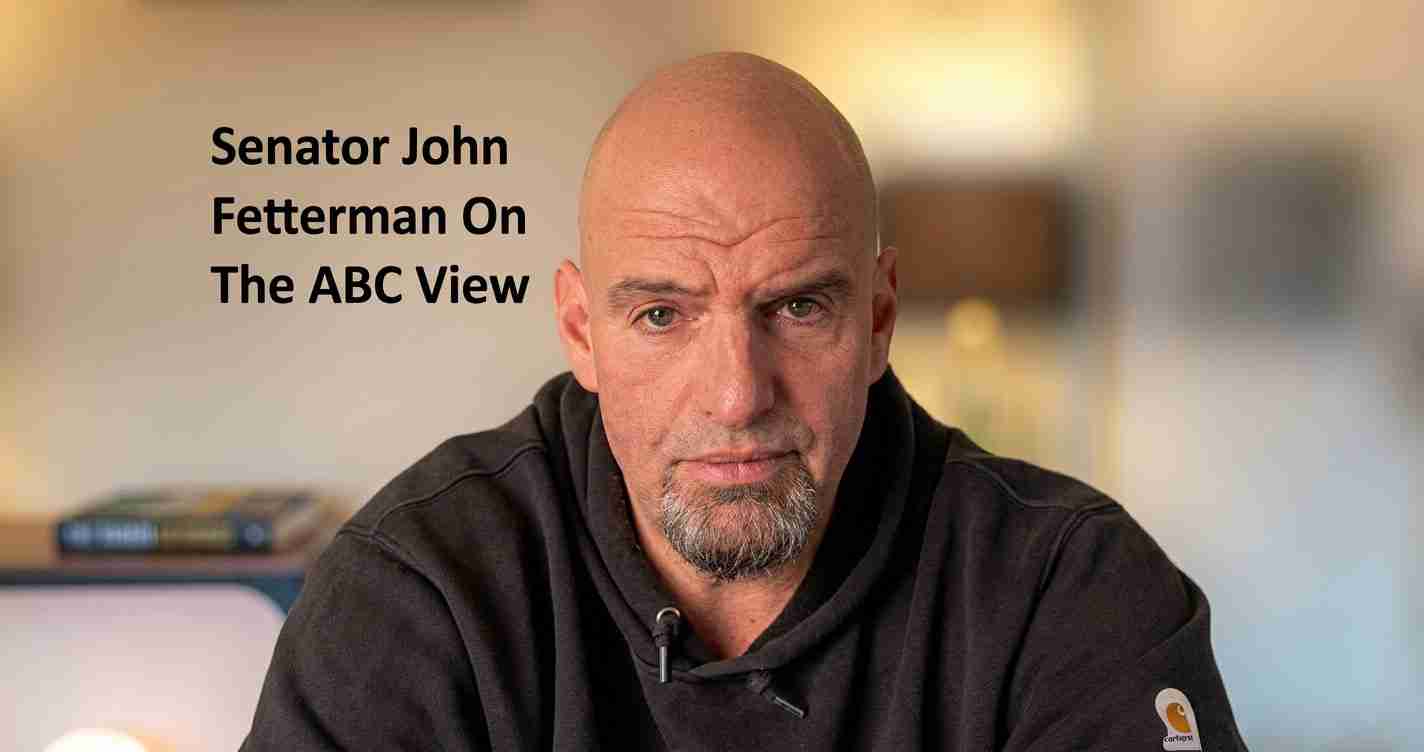
Shapiro-Fetterman Tensions in Pennsylvania: Gov. Josh Shapiro Urges Maverick Sen. John Fetterman to ‘Get Back to What He Was Elected to Do’
Gov. Josh Shapiro publicly urged Sen. John Fetterman to “get back to what he was elected to do,” highlighting a growing 2025–26 rift rooted in policy disputes, memoirs, and Fetterman’s rightward shifts with potential statewide and national consequences.
Key takeaways
- Shapiro pressed Fetterman to recommit to Democratic priorities, saying Pennsylvanians “voted for a Democrat” and urging him to honor that mandate (CNN; Talk Easy podcast).
- The feud dates back to clashes on the Pennsylvania Board of Pardons, a hot-mic incident, and differing clemency philosophies (Axios).
- Fetterman’s voting record in 2025 showed he sided with Republicans roughly 26% of the time, including advancing Markwayne Mullin’s DHS nomination and voting to reopen the government (Congress Vote Tracker).
- Both men have national profiles: Shapiro eyed as a potential 2028 contender; Fetterman’s memoir and maverick stance complicate party unity (Politico; Axios).
Main content
From Boardroom to Headlines: How the feud began
Shapiro and Fetterman have a long history of disagreement dating to their time on Pennsylvania’s Board of Pardons (2011–2019). Sources report clashes over clemency policy: Fetterman pushed for more progressive clemency for long-serving nonviolent offenders, while Shapiro, then attorney general, worried about public-safety optics and political risk.
Axios detailed episodes including a “hot mic” moment in which Fetterman used profanity about Shapiro during a Zoom meeting and the disagreement over the Horton brothers clemency push from 2011. Fetterman later wrote in his memoir that the relationship “deteriorated into an ugliness from which we never recovered.” That language widened an existing fracture between the two Democrats.
Memoirs and public barbs
Fetterman’s memoir, Unfettered (released November 2025), revisited disputes and accused Shapiro of putting political ambition above bold criminal-justice reform. The book’s blunt tone widened a public fissure.
Shapiro’s memoir, Where We Keep the Light (January 2026), mentioned Fetterman only briefly and neutrally. Shapiro has pushed back on reports that they “no longer speak,” noting recent meetings with state officials to discuss Pennsylvania matters (Politico).
Shapiro’s recent public appeals
During spring 2026 interviews, Shapiro took a sharper tone. On CNN with Jake Tapper, he said: “I don’t know what Sen. Fetterman is going to do. I know that Pennsylvanians voted for a Democrat to represent them in the United States Senate. So, I think he needs to honor that and continue with his service to Pennsylvania, and, hopefully, get back to what he was elected to do and reflect the will of the people.”
“I’ve got no beef with John,” Shapiro told the Talk Easy podcast, “but John’s got a lot of questions that I think he needs to answer for the people of Pennsylvania.”
Shapiro’s public messaging blends a defense of party priorities with an appeal to voters’ expectations—language consistent with a politician mindful of statewide and national optics.
Fetterman’s maverick voting record
Since 2024, Fetterman has taken positions that unsettled some Democrats. Aggregated vote tracking shows he voted with Republicans about 26% of the time in 2025. Notable instances include:
- He was the lone Democrat to vote to advance Markwayne Mullin’s nomination to head the Department of Homeland Security.
- During the late-2025 government shutdown fight, Fetterman joined Republicans to reopen the government, saying he was “choosing country over party.”
- Comments and votes on international issues, including the war in Iran, prompted rebukes from national Democratic leaders such as House Minority Leader Hakeem Jeffries, who criticized the senator on CNN in April 2026.
Party reactions and pressure
Fetterman’s actions have drawn frustration within the Democratic Party. Democratic National Committee officials and leaders have privately and publicly urged him to clarify positions and reassure voters and donors. DNC Vice Chair Malcolm Kenyatta posted on X in April 2026 calling Fetterman “a mess” after social-media posts targeting Pennsylvania constituents and some party allies.
For Shapiro, the split presents a political calculus: defend party unity in a battleground state while managing a high-profile rift that could affect his broader ambitions and the Democratic brand in 2026 and beyond.
Health, staff turnover and political fallout
Fetterman’s health — including his 2022 stroke — has been part of the public debate. Reports of staff turnover and a 2025 ex-staff memo alleging erratic behavior and medication non-compliance added questions about his office management. Supporters and allies have defended his fitness and independence, but the concerns have contributed to unease among some voters and donors (Philly Inquirer).
Implications for San Luis Obispo, California
Though the dispute is rooted in Pennsylvania, it carries implications for places like San Luis Obispo:
- Economic impact: California businesses and higher-education institutions that partner with Pennsylvania counterparts may face uncertainty if statewide leaders appear divided.
- Political consequences: Moderate voters in San Luis Obispo may view public party feuds as a signal to prioritize pragmatic governance, complicating messaging for local Democratic organizers.
- Social and cultural effects: The clash, framed as pragmatic governance vs. maverick independence, resonates with Central Coast values and could shape local trust in leadership.
- Practical applications: Civic groups and student governments should monitor party splits for shifts in campaign strategies, donor flows, and federal funding priorities ahead of 2026 and 2028.
Reporting notes and sources
This article draws on published reporting and public statements, including coverage of Fetterman’s memoir Unfettered and Shapiro’s interviews. Primary sources and further reading:
- Axios search: Fetterman Unfettered reporting
- Politico search: Shapiro Fetterman coverage
- The Philadelphia Inquirer search: Fetterman coverage
- CNN search: Shapiro Fetterman interviews
- GovTrack: U.S. Congress votes and member trackers
- Malcolm Kenyatta on X
Reporting contributions: public interviews on CNN and the Talk Easy podcast; public social posts by party leaders; congressional voting records as tracked by public vote databases.