Maxine Waters Confronts Treasury’s Scott Bessent Over Trump Tariffs, Demands ‘Yes or No’ on Inflation and Housing
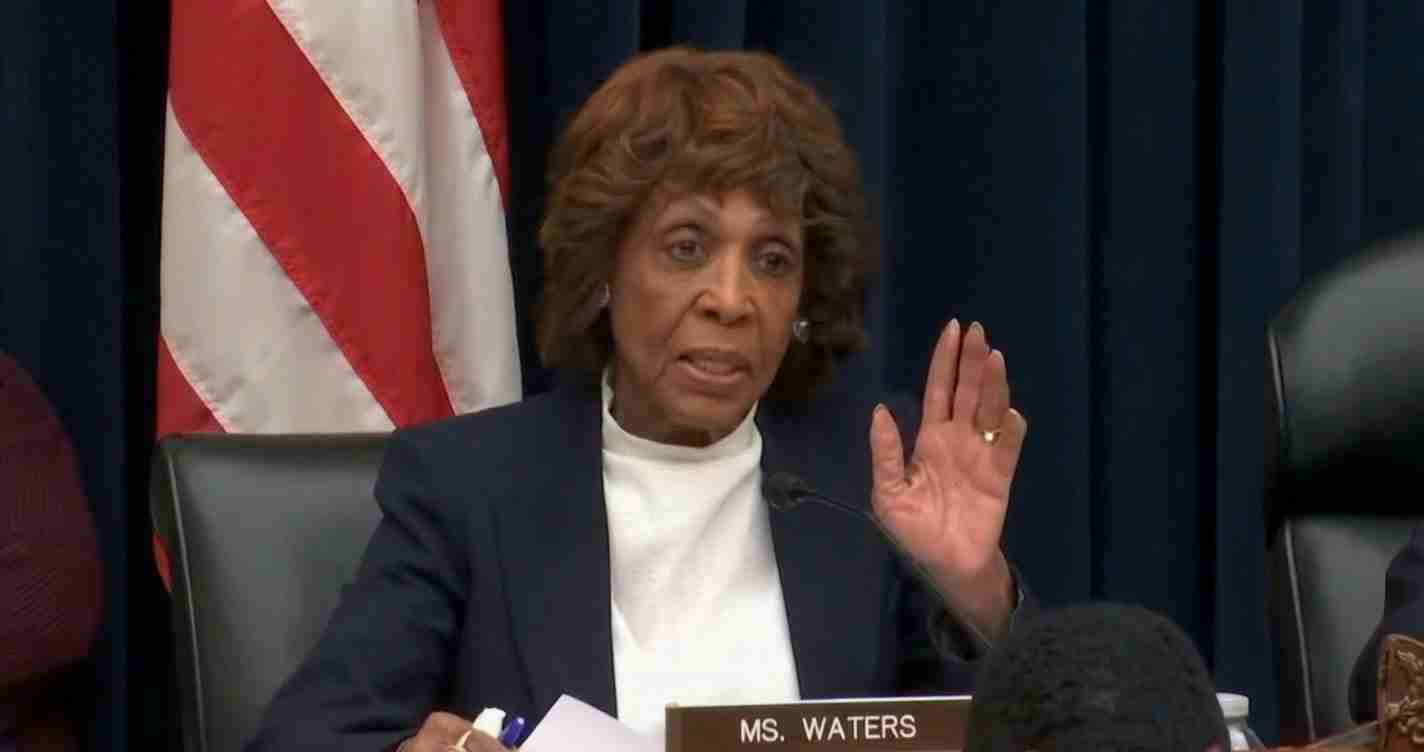
Rep. Maxine Waters confronted Treasury Secretary Scott Bessent at a Feb. 4, 2026 House Financial Services hearing, demanding a “yes or no” on whether Trump-era tariffs are driving inflation and worsening housing affordability for consumers and builders.
Key takeaways
- Waters demanded a direct answer: she pressed Bessent to urge President Trump to stop tariffs she called a “war on American consumers,” linking them to higher costs and housing stress (Fortune).
- Heated moment: the exchange escalated when Waters told the chair, “Can you shut him up?,” a clip widely shared in coverage (Fox News; Economic Times).
- Bessent cited research: he pointed to Federal Reserve and long-run data arguing tariffs are a limited portion of GDP and not the main driver of broad inflation (Fortune).
- Local stakes for San Luis Obispo: higher material costs could slow homebuilding, raise rents and squeeze local businesses and residents.
What happened in the hearing
Rep. Maxine Waters, ranking member of the House Financial Services Committee, repeatedly asked Treasury Secretary Scott Bessent whether he would urge the president to stop imposing tariffs that she said are raising costs for households and making housing less affordable. “So I ask you, Secretary Bessent, will you be the voice of reason in this administration and urge President Trump to stop waging a war on American consumers, harming housing affordability, and putting the economy at risk? Yes or no. You don’t have to explain,” she said (Fortune).
Bessent pushed back with broader economic context and data. At one point he suggested housing shortages reflect “10 to 20 million immigrants,” a comment that drew a sharp rebuke from Waters and helped precipitate the heated moment where she told Chairman French Hill, “Can you shut him up?” to stop interruptions and reclaim her time (Fox News; YouTube video).
The exchange included disputes about time limits and decorum. Waters accused Bessent of contradicting his own previous statements and writings, including a 2024 letter to hedge fund investors where he said “tariffs are inflationary and would strengthen the dollar,” which she contrasted with his hearing testimony that downplayed pass-through to consumers (Fortune).
Bessent’s defense and the data he cited
Bessent argued tariffs account for a relatively small share of GDP and cited research — including work from the Federal Reserve Bank of San Francisco — and long-run data to contend tariffs are not a broad driver of inflation. He noted that historically, major inflation drivers include wars, oil shocks and shifts in monetary policy, not tariffs that cover a narrow set of goods (Fortune).
He also highlighted examples where the administration reduced duties — on items such as coffee and bananas — to lower prices and argued the overall size of recent tariffs is limited relative to the entire economy (Fortune; YouTube).
Contradictions and earlier statements
Waters and other Democrats highlighted public statements and documents that appear to conflict with Bessent’s hearing testimony. The 2024 investor letter citing tariffs as inflationary was central to her questioning. She also pointed to media appearances and past testimony in which Bessent described tariffs in ways that suggested they raise consumer prices, creating an apparent contrast with his denials at the hearing (Fortune).
Video from the hearing captured the back-and-forth over goods like lumber, steel and appliances — items Democrats say are critical to homebuilding and renovation. Waters argued tariffs on those items have made construction more expensive and reduced housing supply; Bessent disputed the immediate link and cited recent lumber price movements to challenge claims that tariffs block half a million homes Waters cited (Fortune; YouTube).
Broader context: research and the legal backdrop
Economists generally agree tariffs raise costs for consumers who purchase imported goods or domestic products that use imported inputs, though the magnitude varies. Some studies find high pass-through from tariffs to retail prices and sizable effects in construction and manufacturing; others note recent inflation has been dominated by services and broad monetary factors rather than goods tariffs (Fortune).
The hearing occurred while the Supreme Court considers whether some 2025 trade duties exceeded presidential authority — a decision that could affect the legal foundation for current tariff actions and reshape trade policy and enforcement (Fox News).
Implications for San Luis Obispo, California
- Economic impact: San Luis Obispo County depends on construction, agriculture and tourism. Tariffs on lumber, steel and appliances can raise building costs for new homes and renovations, tightening margins for local builders and potentially delaying projects (Fortune).
- Housing affordability: the county already faces shortages and high rents; higher material costs could mean fewer affordable units and costlier repairs, worsening conditions for renters and first-time buyers.
- Consumer prices: residents may see modest grocery and retail price rises if tariffs affect imports — squeezing household budgets and local discretionary spending (YouTube).
- Political consequences: local officials and candidates may face pressure to respond on tariffs, balancing development, permitting and affordability concerns (Fortune).
- Practical steps: county planners, housing advocates and builders should track federal trade policy and the Supreme Court decision; incentives or subsidies may be needed if tariffs persist to keep affordable projects viable (Fox News).
Sources and reporting
Reporting for this article relied on video and transcripts of the House hearing and coverage from multiple outlets, including Fortune, Fox News, Economic Times, the YouTube hearing clip, and local aggregators (Notus).
The exchange underscores a central policy divide: whether tariffs are a blunt tool that shifts costs to American consumers and homebuilders or a targeted approach defended by the administration and advisers. For San Luis Obispo, the stakes are immediate: higher material costs can translate into fewer homes and higher living expenses for residents.