Chevron refinery fire in El Segundo raises alarms over California’s fragile fuel supply
A fire and explosion at Chevron’s El Segundo refinery on Oct. 3, 2025, was extinguished by morning with no injuries; analysts warn the outage could push California gas prices up 5–20 cents per gallon and strain jet fuel and CO2 supplies.
- Explosion and fire contained: Blaze at El Segundo was largely extinguished by the next morning with no reported injuries, per ABC7 live updates.
- Damage mostly on jet-fuel units: Early inspections indicate limited physical damage focused on jet-fuel handling units; affected units were paused for safety checks (ABC30).
- Major regional supplier: El Segundo processes ~276,000 barrels per day and supplies ~20% of California’s gasoline and ~40% of its jet fuel, so disruptions can quickly affect prices and availability (CBS Los Angeles).
What happened at the refinery
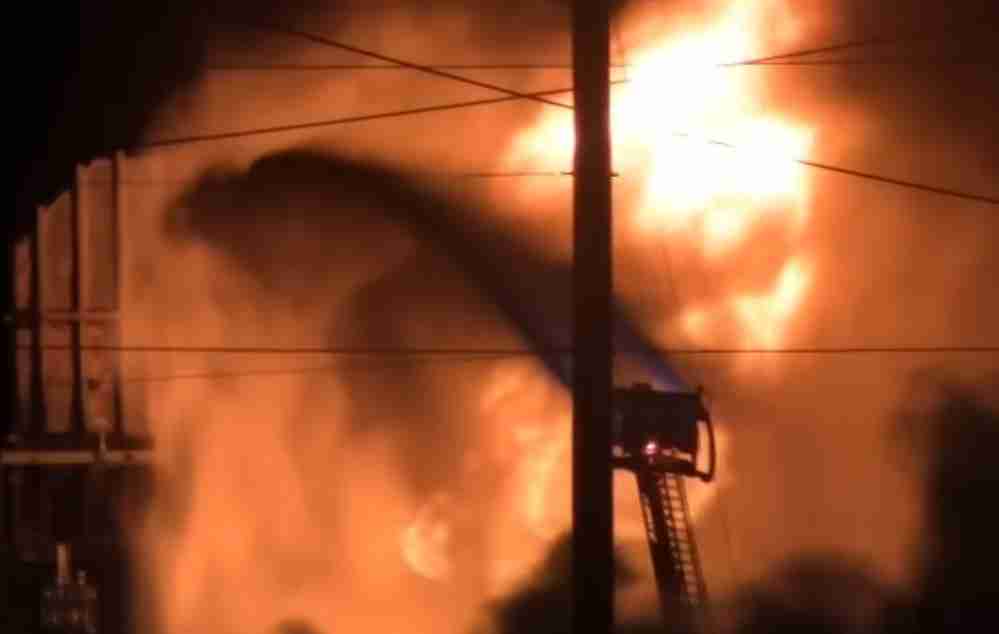
Timeline and immediate response: Shortly after 9 p.m. on Oct. 3, witnesses and emergency dispatches reported a large explosion and fire at the Chevron El Segundo refinery. Chevron’s onsite responders and Los Angeles-area fire departments fought the blaze through the night. Company and city officials said the fire was under control and largely extinguished by the next morning, with no injuries reported (ABC7 live updates).
Early inspections by Chevron and regulators found the damage concentrated on units that handle jet fuel. Officials characterized the physical harm as mostly minor, though the company paused operations at affected units for safety checks and repairs while investigators work to identify the cause (ABC30, ABC7 analysis).
Why El Segundo matters to California’s fuel supply
The El Segundo refinery is the largest producing site on the U.S. West Coast, processing about 276,000 barrels per day. That output supplies roughly 20% of California’s gasoline and 40% of its jet fuel, making it a critical node in a system that relies on specialized fuels meeting strict state formulations (CBS Los Angeles).
Because California refineries produce region-specific blends to meet environmental rules, outside supplies cannot always replace lost output quickly — a key reason even limited outages can push pump prices up and strain aviation fuel availability (ABC30).
How the market could react and gas price estimates
Analysts expect a near-term bump in pump prices as markets price in the outage and uncertainty about how long units will remain offline. Post-fire estimates range from a modest 5 cents to a more noticeable 20 cents per gallon increase for California drivers (Desert Sun, CBS Los Angeles).
USC professor Shon Hiatt told CBS that for every week the refinery remains offline, state gas prices could rise by about 13 cents per gallon, a figure that compounds if downtime stretches into weeks or months.
If outages become prolonged, California could import refined fuel from outside the region or internationally — a step that adds transport costs, delays, and potential strain on global refined-fuel capacity, particularly for jet fuel used by airlines (CBS Los Angeles).
Broader risks if downtime extends
California’s supply picture is already tight: several other refineries in the state are slated to close or scale back operations in coming months, reducing spare refining capacity statewide. That context magnifies the stakes for a quick return to service at El Segundo (CBS Los Angeles).
A prolonged outage could force longer-haul shipments into the state, increasing trucking and shipping costs that would likely be passed on to consumers and businesses, amplifying any direct price increases from lost production (ABC30).
Secondary supply chain effects: CO2 and beyond
Refineries also produce merchant carbon dioxide used by food processors, beverage companies and other businesses. Industry reporting warns that disruption at El Segundo could ripple into California’s CO2 market, affecting firms that rely on a steady merchant CO2 supply (Gasworld).
Highlight: Even if gasoline impacts are measured in cents per gallon, industrial inputs such as CO2 can face sudden shortages that affect food and beverage production lines.
Investigations and official response
Chevron and state officials launched investigations to determine the fire’s cause and the full scope of damage. Company statements emphasized the rapid response by Chevron’s emergency team and local firefighters; regulators said they will review safety protocols and repair plans before returning units to service (ABC7 live updates, ABC7 analysis).
Despite reassurances that damage appears limited, analysts urged preparation for “widespread” aftereffects given the thin margins in California’s fuel supply (ABC30).
Implications for San Luis Obispo, California
Economic impact: Residents and businesses in San Luis Obispo could see higher pump prices within days. A statewide 5–20 cent increase would directly raise consumer costs, affecting commuters, tourism businesses, and delivery expenses (Desert Sun).
Tourism and transportation: Higher gas prices may deter short trips and reduce discretionary spending by visitors; tightened jet fuel supplies or higher costs could put pressure on regional air travel, affecting tourism flows (CBS Los Angeles).
Local supply chains: Farms, wineries and manufacturers could face increased transportation costs for goods and inputs; small businesses with thin margins are particularly exposed (ABC30).
Public services and budgets: Municipal fleets, school buses and emergency services may experience higher fuel bills, potentially straining short-term budgets and forcing reallocation of resources (CBS Los Angeles).
Practical steps for residents
- Monitor official updates: Follow statements from Chevron and state regulators and watch weekly price reports such as AAA and state fuel monitoring.
- Conserve fuel: Consolidate errands, carpool, and reduce nonessential trips to limit exposure to rising pump prices.
- Local planning: Local agencies should review contingency plans for public transit and essential services if price spikes persist.
What to watch next
Investigators will release details on the fire’s cause and a clearer timeline for repairs. Market indicators — including weekly AAA reports and state fuel monitoring — will show how quickly prices rise and whether effects are short-lived or persistent. Local officials in San Luis Obispo and neighboring counties will monitor for supply disruptions affecting tourism, agriculture, and public services (ABC7 live updates, CBS Los Angeles).