Iran blocks Chinese vessels: Two Cosco container ships and a Hong Kong-linked freighter turn back near Larak Island, raising new questions about Strait of Hormuz shipping
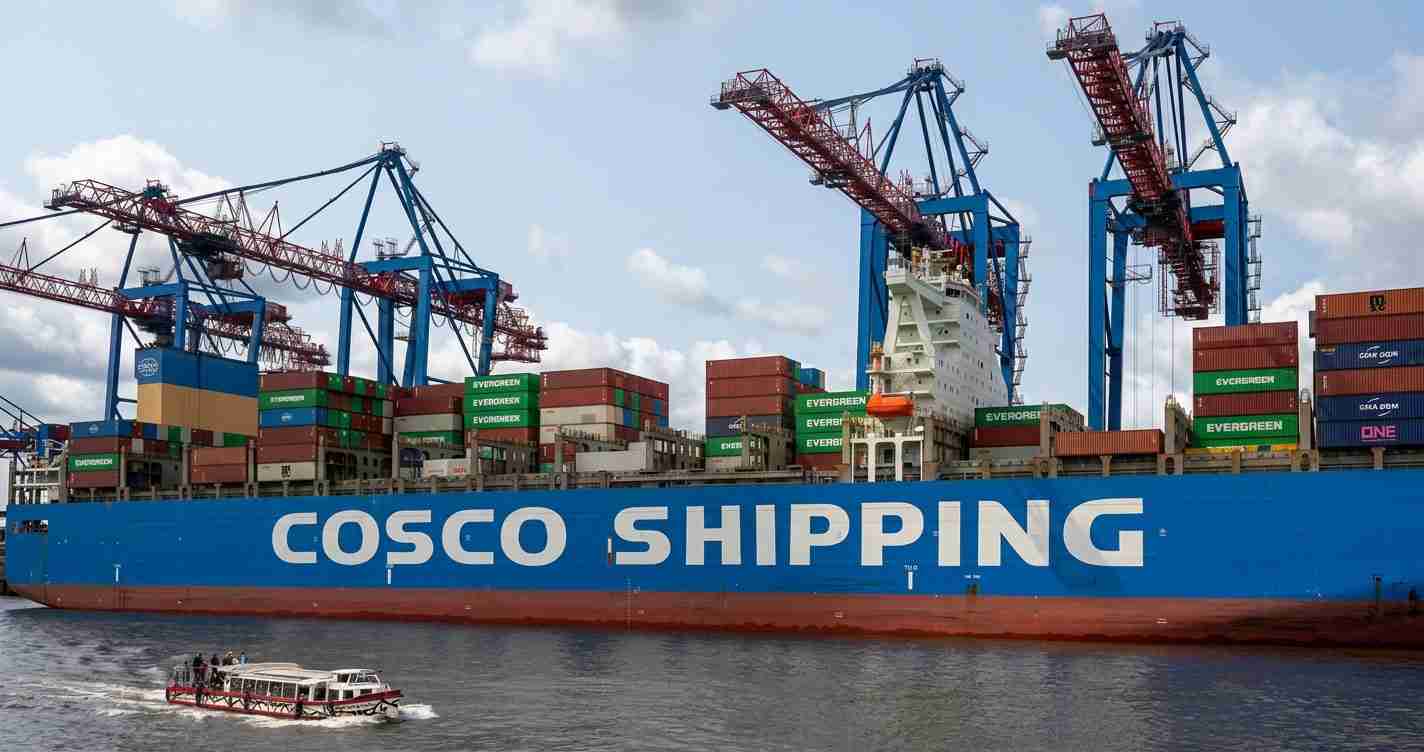
On March 27, 2026, Iran’s IRGC Navy forced three Chinese-linked vessels — including two Cosco Shipping container ships and the Hong Kong-owned Lotus Rising — to reverse course near Larak Island in the Strait of Hormuz.
- Three ships turned back: the CSCL Indian Ocean, CSCL Arctic Ocean (Cosco Shipping) and the Hong Kong‑owned, Marshall Islands‑flagged Lotus Rising, reversed course near Larak Island.
- IRGC enforcement: Iran’s IRGC Navy said it warned and forced the vessels to return for violating its corridor rules, per Iran‑linked media and analysis.
- Wider disruption: The episode underscores severe Strait of Hormuz shipping disruptions that have affected roughly 20% of global oil flows and strained logistics.
- Local risk: San Luis Obispo County could see higher fuel and supply costs, longer lead times, and pressure on agricultural and small‑business budgets.
What happened
On the early morning of March 27, the CSCL Indian Ocean and CSCL Arctic Ocean approached the exit of the Gulf and, according to ship‑tracking services and maritime analysts, reversed course near Larak and Qeshm islands roughly 20 miles from Bandar Abbas. Analysts and trackers also cite the Lotus Rising as among the vessels turned back. Reporting and analysis compiled by the FDD analysis summarizes the ship‑tracking data and timeline.
“toll booth” — Iran’s IRGC has repeatedly described the narrow channel as its de facto “toll booth,” asserting strict control over licensed passage and imposing rules on traffic to and from states it deems aligned with its adversaries.
Key information and official claims
Iran’s IRGC Navy stated it warned three container ships of different nationalities attempting to use the licensed corridor and forced them to return; that statement was carried by IRGC‑affiliated Nour News and summarized in the FDD analysis. Ship‑tracking services and regional outlets reported the Cosco vessels broadcast AIS messages identifying Chinese ownership and crew as a precaution, but that apparently did not satisfy Iranian authorities (coverage summarized by the Times of India and The Straits Times).
Why the ships turned back
Public reporting has not produced a single definitive reason. Analysts told maritime outlets the vessels may have lacked required paperwork, prior authorization, or a formal escort that Iran requires for licensed corridor transits — especially amid heightened tensions beginning Feb. 28 that have severely disrupted Strait of Hormuz shipping.
Lloyd’s List and maritime trackers noted the Cosco vessels had recently visited ports in the Gulf that Iran regards as linked to its foes — including Jebel Ali (Dubai), Dammam (Saudi Arabia), and Khalifa Port (Abu Dhabi) — which may have complicated clearance. Ship‑tracking data cited in the FDD analysis show those recent port calls.
Iran’s assurances vs. actions
On March 25, Iran’s foreign minister posted that safe passage would be extended to China, Russia, India, Iraq and Pakistan. Two days later, the interception near Larak highlights a gap between Tehran’s diplomatic statements and the IRGC’s enforcement at the maritime checkpoint (reported by the Times of India and The Straits Times).
The Cosco vessels broadcast AIS signals identifying Chinese ownership and crew, likely intended to signal friendly status to Iranian authorities; Reuters and other outlets reported those AIS messages, but Iranian authorities apparently deemed them insufficient for safe passage.
Shipping and energy impacts
The Strait of Hormuz is a strategic chokepoint for global energy and shipping. Since early March, commercial traffic through the Strait reportedly fell by 90–95%, leaving hundreds of vessels and roughly 20,000 seafarers stranded and prompting many ships to disable AIS transponders to limit exposure in contested waters (regional reporting summarized by Times of India and The Straits Times).
Analysts estimate disruptions since Feb. 28 have impacted roughly 20% of the world’s oil supply. Shipping companies altered sailings and booking practices; Cosco briefly resumed Asia‑to‑Gulf bookings on March 25 but cautioned that “safe passage could not be guaranteed,” a warning underscored by the March 27 incident. For further context, see the Kpler-related briefing cited in regional coverage.
China‑Iran ties under strain
The episode is notable because China and Iran portray their relationship as close. Analysts view the refusal to allow outbound transit for two Cosco vessels as an unusual move that reveals limits in coordination between Tehran and Beijing amid the current crisis. No official comment from Cosco Shipping or the Chinese government was publicly reported in the outlets summarizing the incident.
Analysts suggest the incident may reflect Iran’s desire to keep tight leverage over maritime movements during conflict and to enforce its rules at the “toll booth” regardless of diplomatic ties (see FDD analysis and regional reporting).
Sources and reporting
This article draws on ship‑tracking and analysis compiled by the FDD analysis and reporting from regional and international outlets, including:
- FDD analysis: “Iran blocks 2 Chinese vessels from transiting Strait of Hormuz”
- Times of India: “Unusual: Two Chinese vessels abort bid to pass Strait of Hormuz despite Iran’s assurances of safe passage”
- The Straits Times: “Chinese ships halt attempt to exit Hormuz despite Iran’s safe passage assurances”
- Kpler-related briefing (video)
Implications for San Luis Obispo, California
San Luis Obispo County, while primarily tied to regional agriculture, manufacturing and tourism, is connected to global fuel and supply chains. Disruptions in Strait of Hormuz shipping and global oil flows can translate into higher local fuel prices, increased delivery times for imported goods, and elevated costs for manufacturers and farms.
Economic and supply‑chain effects
Local businesses that rely on imported inputs — from packaging and electronics to specialty food ingredients — could face delayed deliveries as carriers reroute ships or pause Gulf transits. Higher freight and fuel costs can cascade into consumer prices and increased operating costs for SLO manufacturers and agricultural processors.
Energy market sensitivity
Although California sources much crude and refined product from domestic and Pacific suppliers, global oil‑price spikes can still affect retail pump prices. A prolonged disruption impacting ~20% of global oil supply would likely push crude and retail prices higher, squeezing household budgets and small businesses that rely on diesel for agriculture and trucking.
Local businesses and imports
Small retailers and restaurants depending on international supply chains may see longer lead times and higher costs. While SLO ports do not handle Strait traffic directly, national logistics slowdowns can cascade through the network and affect inventory and delivery schedules for the county.
Emergency planning and community resilience
The incident highlights the need for local emergency and economic resilience planning. County officials and emergency managers may consider reviewing fuel contingency plans, assessing vulnerability of hospitals and farms to supply interruptions, and developing communication strategies to inform residents about potential fuel or goods disruptions.
Political and civic considerations
Local leaders may call on state and federal officials to monitor conditions and ensure strategic petroleum reserves and shipping security measures are adequate. The episode raises questions about the region’s exposure to international instability and whether to pursue policies that strengthen supply‑chain transparency and preparedness.
Practical effects on daily life
In the near term, residents might notice slightly higher pump prices or longer waits for some imported goods. Businesses relying on just‑in‑time deliveries could face interruptions; farms dependent on specific fertilizers or parts may see slower replenishment. Monitoring price and inventory trends and short‑term contingency planning can help households and businesses manage impacts.
Reporting drawn from: FDD analysis; Times of India; The Straits Times; and the Kpler-related briefing.