New FDD report alleges Iran used chemical agents against protesters, urges U.S., allies and OPCW investigation
A February 2026 report by the Foundation for Defense of Democracies alleges Iran deployed unconventional chemical agents against protesters during a 2025–26 uprising, prompting urgent calls for investigations by the United States, allies and the OPCW.
Key takeaways
- FDD report by Andrea Stricker alleges Iran used agents deadlier than tear gas during the 2025–26 unrest.
- Eyewitnesses and more than 30 human rights groups reported severe symptoms in January 2026; international media and lawmakers urged UN probes.
- The report calls on the United States, allies and the OPCW to investigate and outlines potential policy responses, including targeted actions if diplomacy fails.
Main content
Report summary and scope
The FDD report, authored by Andrea Stricker, asserts that Iran’s chemical weapons activities received less international scrutiny than its nuclear program and that those capabilities may have been used against protesters during a major uprising beginning in December 2025. The report synthesizes open-source intelligence, eyewitness testimony and human rights reporting to build its case.
Background: Iran’s history with chemical weapons
The report reviews Iran’s chemical-weapons history and the legal framework prohibiting such arms. U.S. intelligence assessments note Iran began a program in 1983 after chemical attacks during the Iran–Iraq War. The Chemical Weapons Convention bans development, stockpiling, production and use of chemical weapons — and the report argues the international community has not pressed Iran sufficiently on compliance.
Alleged use during the 2025–26 uprising
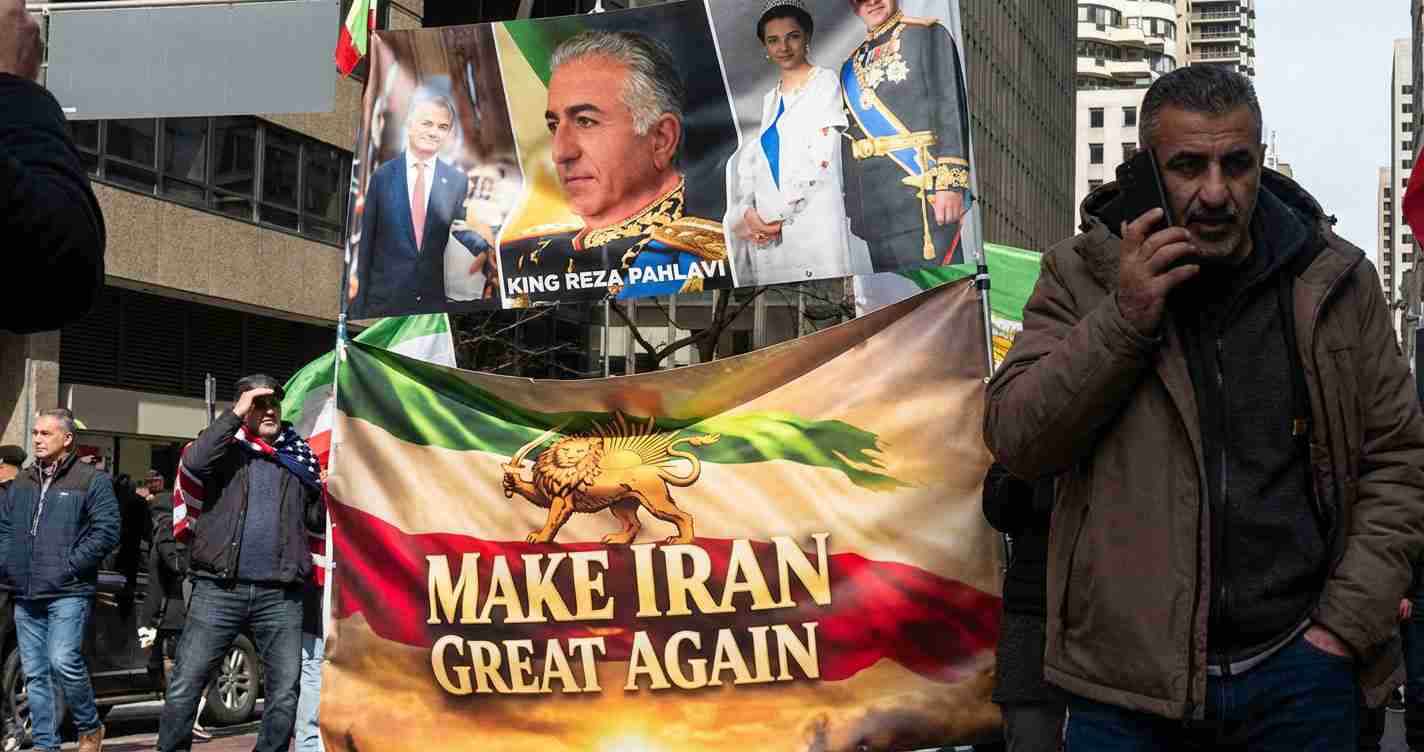
According to the FDD summary and related reporting, eyewitnesses described security forces using agents described as deadlier than tear gas during January 2026 crackdowns, with victims collapsing in the streets. The report cites calls from over 30 human rights groups and a European Parliament resolution (Jan. 22, 2026) urging UN investigations. The FDD and affiliated coverage also reference unusually high casualty figures and describe the unrest as among the largest since 1979; those figures remain contested and are reported here as attributed to the originating sources.
Evidence and sources cited by FDD
FDD relies on eyewitness testimony, human rights group reporting, open-source intelligence and diplomatic statements. The report highlights comments by Israel’s deputy ambassador, Yaron Wax, about alleged weaponized pharmaceutical agents — including fentanyl-derived munitions — at sites such as the Shahid Meisami Research Complex, which media and the report say was struck in June 2025. Alleged transfers to Syria and Iraqi militias are also cited. Independent verification of the most serious allegations is limited in publicly available reporting.
International law and the OPCW
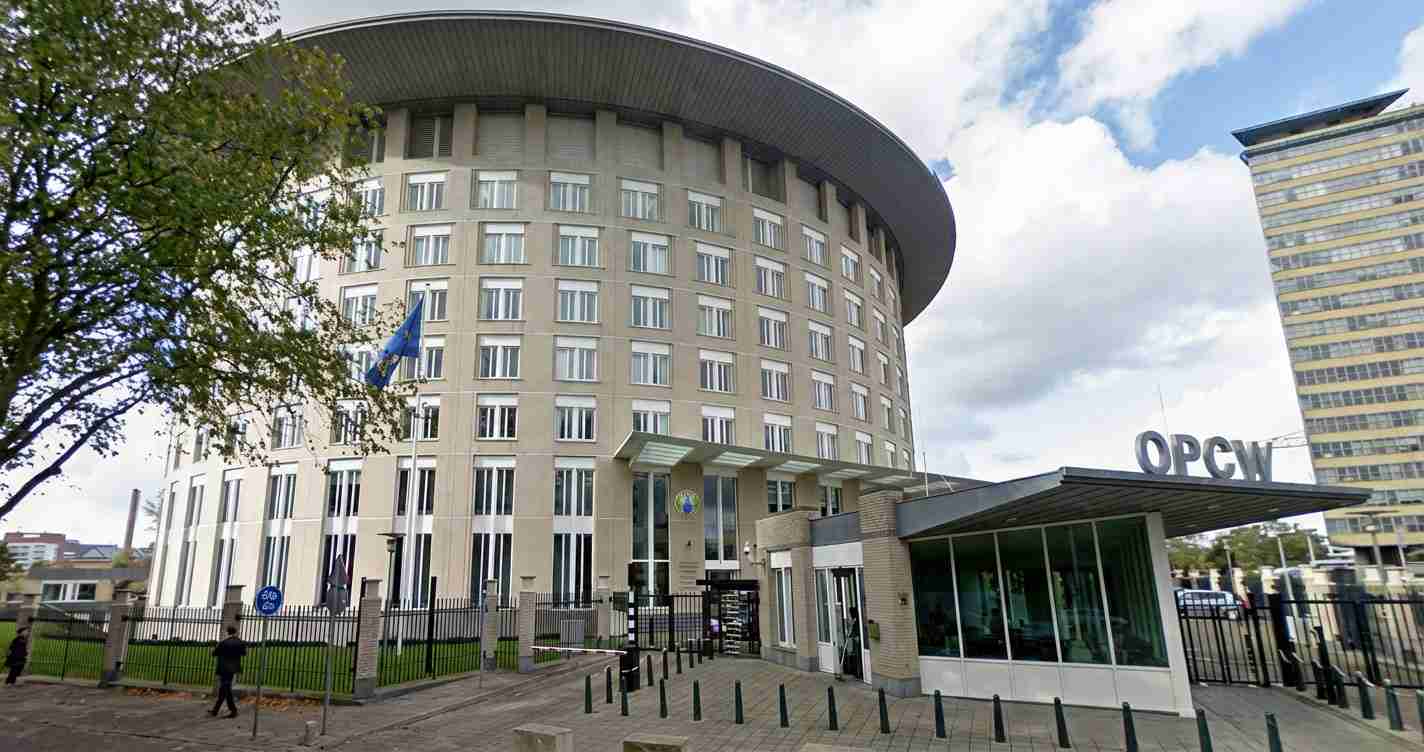
Under the Chemical Weapons Convention, the use of chemical weapons by a state against its own people would be a clear violation. The FDD urges the OPCW to open an investigation into the credible claims. As Andrea Stricker wrote,
“The United States, its allies and the Organization for the Prohibition of Chemical Weapons (OPCW) should investigate credible claims that Iran’s regime used chemical weapons against its own people.”
FDD recommendations and U.S. policy options
The report recommends a broad campaign to expose alleged violations, expand monitoring and press Iran for verification steps. It emphasizes that diplomacy should be the priority, quoting Stricker: “A deal is within reach, but only if diplomacy is given priority.” If talks fail, the FDD suggests targeted actions against suspected research and production sites and recommends coordination with partners, including support for Israeli actions if intelligence links activities to sites of concern.
How other governments have responded so far
Coverage of the report has appeared across U.S. and international media. Some Western lawmakers and human rights groups have called for inquiries, while Iran denies pursuing nuclear weapons and maintains its technologies are peaceful, warning of strong retaliation against attacks. Reporting links these allegations to broader U.S.–Iran tensions, including naval deployments and diplomatic talks.
Credibility and limits of reporting
The FDD presents a case based on open-source evidence and testimony, but independent confirmation of specific chemical-agent use during the 2025–26 unrest is not publicly available in peer-reviewed studies or verified OPCW findings at this time. Readers should note the distinction between allegations attributed to the FDD and affiliated sources, and findings confirmed by impartial international bodies.
Broader U.S.–Iran tensions cited in the report
The report places chemical-weapons concerns within a wider security context: U.S. military posture in the region, Iranian missile and proxy capabilities, and allegations about undeclared highly enriched uranium stockpiles that have complicated Geneva talks and heightened the risk of escalation.
Implications for San Luis Obispo, California
Economic: A larger U.S.–Iran clash or tighter sanctions could affect oil prices and shipping insurance, raising transport and input costs for local farms and businesses.
Political: Moderate voters in San Luis Obispo may favor measured, multilateral responses; calls for an OPCW investigation could resonate with residents prioritizing international law.
Social & cultural: University and retirement communities may increase humanitarian-focused advocacy and civic forums.
Practical: Residents and businesses should monitor developments, contact representatives about oversight and emergency planners should watch supply-chain and energy indicators.
Sources
- FDD report: “Did Iran Use Chemical Weapons on Protesters?” by Andrea Stricker
- FDD media call transcript
- Fox News coverage summarizing FDD findings
- National Interest analysis
- Additional syndicated coverage
Reporting includes allegations and open-source claims by FDD, media outlets and others. Where possible, this article attributes claims to their originators and notes where independent verification is not yet public.