Chick-fil-A Reverses Waffle Fries Recipe After Backlash, Removes Pea Starch
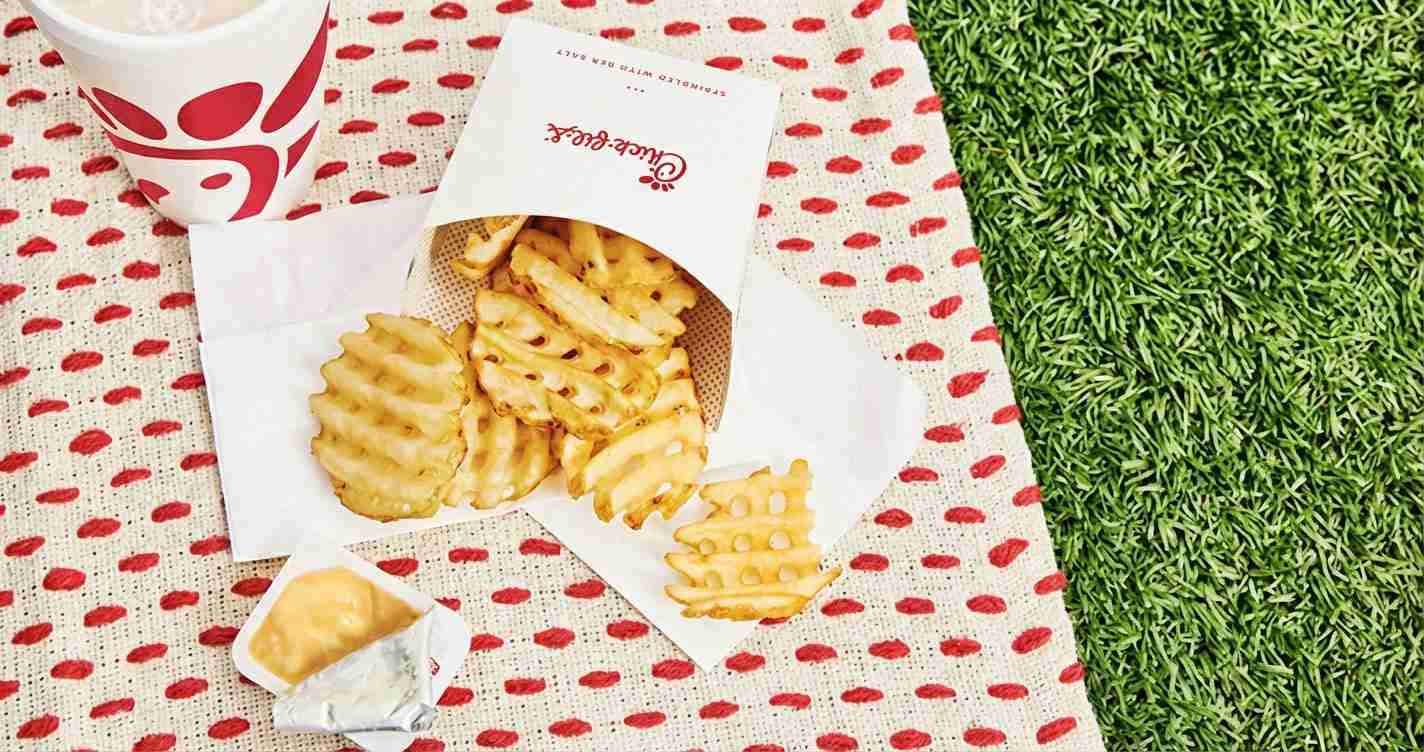
Chick-fil-A announced in early 2026 it has reversed a controversial change to its waffle fries recipe, removing pea starch after strong customer backlash over taste, texture and potential allergen concerns, restoring the classic coating formulation.
- Company rollback: Chick-fil-A removed pea starch from its waffle fries recipe in early 2026 after customer complaints (The Daily Meal; Forever York).
- Why it changed: Pea starch was added in late 2024 after testing to keep fries crispier longer.
- Ingredient update: The online ingredient list now shows modified food starches from corn, potato and tapioca, rice flour and seasonings — with no pea starch or pea flour listed.
- Nutrition & price: A medium serving costs about $3.85 and lists ~420 calories and 24 g fat (chain nutritional info).
Background: what changed and why
Chick-fil-A’s waffle fries have been a menu staple since 1985. In late 2024, the chain introduced pea starch into the fry coating after more than a year of internal testing. Company testing indicated the higher amylose content in pea starch could help the fries stay crispier for longer — a technical fix aimed at improving performance for drive-thru and mobile-order fulfillment (The Daily Meal).
Customer backlash and social media reaction
Within hours, customers took to Reddit, Instagram and Facebook to complain about perceived changes in flavor and texture. Common posts described a blander taste and a firmer or “too hard” texture as fries cooled. Some users humorously asked for the return of the original, soggier version they associated with better flavor.
“I love soggy fries. Please, we are begging you,” wrote one Instagram user; Reddit threads mixed praise for extended crispness with criticism that flavor was dulled.
Allergen and health questions
The addition raised questions about legume sensitivities. Pea starch is derived from peas and can contain trace proteins; while pure starches often lack allergenic proteins, consumer groups and some experts urged caution and clearer labeling while the ingredient was used. Food-safety perspectives noted that trace proteins — when present — could concern people with legume allergies (The Daily Meal).
Company response and ingredient rollback
Facing sustained feedback, Chick-fil-A reversed the pea-starch change in early 2026. The chain confirmed the rollback to PEOPLE and updated its online ingredient list to show modified food starches from corn, potato and tapioca, rice flour, salt, leavening agents and seasonings — with no pea starch or pea flour listed (Forever York).
Nutrition and price details
According to the chain’s publicly posted nutritional information, a medium waffle fry serving is priced at about $3.85 and contains approximately 420 calories, 24 g fat, 45 g carbs, 5 g fiber, 1 g sugar, 5 g protein and 240 mg sodium. This reflects the formulation without pea starch (Forever York).
Customer reaction to the rollback
After the announcement, social sentiment shifted largely positive. Many Reddit users reported the fries “taste how they used to,” and several reviews said the rollback restored the familiar flavor profile. A minority still preferred the crispier pea-starch version or noticed no change.
Why this matters: corporate responsiveness and brand loyalty
This episode underscores how a small ingredient tweak can become a major reputational issue for a national brand. Chick-fil-A’s willingness to revert the formula highlights the value of customer feedback in protecting perceived product quality and brand goodwill. The rollback also signals that large-scale consumer response can outweigh controlled product testing (The Daily Meal; Forever York).
Supply-chain and food-science context
Food manufacturers add starches like pea starch for technical reasons — texture, shelf life or reduced greasiness. Pea starch’s higher amylose content can help form a crisper crust after frying, but sensory preferences are hard to predict. Chick-fil-A’s year-plus testing demonstrates an effort to validate the change, even as large-scale consumer response differed from lab results (The Daily Meal).
Implications for San Luis Obispo, California
Economic impact
- Local Chick-fil-A outlets may see a short-term boost in foot traffic as loyal customers return now that the original flavor is restored.
- School and community fundraising events that partner with Chick-fil-A could benefit as customers regain confidence ordering family packs and catering.
Political consequences
- The rollback is unlikely to generate direct political change in San Luis Obispo, but it illustrates how constituent feedback can influence corporate decisions.
Social effects
- Awareness of food-allergy issues may rise locally; parents and organizers may seek clearer ingredient information and cross-contact practices.
Cultural relevance
- The debate over “crispy” versus “flavorful” fries resonates with local preferences and routines — from Cal Poly lunches to late-night meals — making the restoration culturally meaningful for many residents.
Practical applications for residents
- If you have pea or legume allergies: continue to check ingredient lists and ask staff about cross-contact before ordering.
- For catering: verify pick-up timing and warming methods to match desired crispiness when ordering waffle fries for events.
- For local food businesses: the episode is a reminder to prioritize consumer testing and clear labeling before rolling out recipe changes.
Reporting and sources
This article draws on reporting from The Daily Meal and Forever York, which cited Chick-fil-A’s confirmation and ingredient-list updates. Read more via those outlets for full source details.