Viral clip shows woman removed from American Airlines Miami-to-Tampa flight after loud cell phone video; airline policy changes follow
A viral clip showing a woman removed from an American Airlines Miami-to-Tampa flight after a loud cell phone video has renewed debate over disruptive inflight behavior and prompted carriers to update policies on noise, conduct and passenger removals.
- Viral clip: A Feb. 26 TikTok video shows a woman being led off a Miami-to-Tampa flight after a profanity-filled exchange; the clip has not been independently verified by major outlets.
- Verification gaps: Identity, alcohol involvement, incident reports and any charges or bans remain unclear due to lack of airline or police confirmation.
- Policy context: Airlines, including American, have clarified rules on loud audio and disruptive behavior; see reporting by Live and Let’s Fly and AOL.
What the TikTok clip shows — and what’s unverified
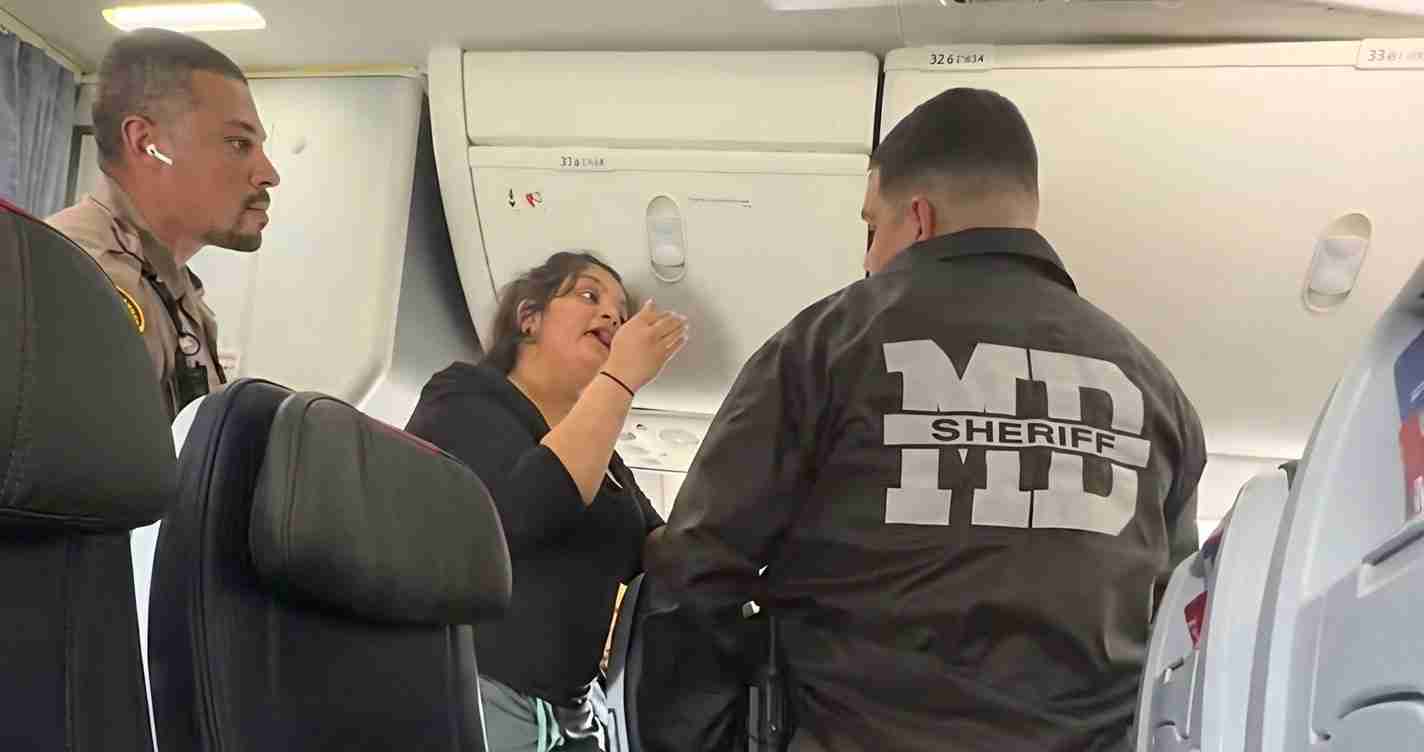
The clip: A roughly one-minute, passenger-shot video shared on social media shows a woman loudly challenging cabin crew and two uniformed officers near the aircraft exit. She repeatedly uses profanity and claims she played a video on her phone at “50% sound” for “30 f**king seconds.” Other passengers are heard clapping as she is escorted off.
What remains unclear: Because the video has not been corroborated by an airline statement or a police report available online, several details are unknown: the passenger’s identity, whether alcohol or other factors were involved, whether American Airlines filed an incident report, and whether offloading resulted in charges or a ban. Searches by Times Media Service did not locate matching mainstream news coverage as of this writing.
Why verification matters
Social video can capture compelling moments but often lacks context. Video alone may omit what led up to an exchange, whether crew followed standard procedures, and whether officers used de-escalation measures before removal. Major outlets typically verify such incidents with airline spokespeople, airport authorities or police statements; in this case, no such confirmations were publicly found. Treat the clip as a primary source that requires follow-up reporting and official comment.
“Video alone may omit what led up to an exchange… that means the clip should be treated as a primary source.”
Airline responses and policy context
Airlines have grown more vocal about enforcing conduct rules as disruptive episodes have multiplied. American Airlines updated guidance around removing passengers for playing loud music or videos on devices — a move noted in reporting about recent policy changes by AOL. That coverage summarized how carriers are clarifying rules that allow crew or law enforcement to remove passengers who refuse to comply with instructions about noise and behavior.
Key point: Clarified noise rules mean amplified audio or playing content loudly can be treated as disruptive because it interferes with other passengers and crew operations.
What airline passenger misconduct policy generally covers
Policies typically prohibit behavior that threatens safety, interferes with crew duties, or creates a hostile environment. Common grounds for removal include:
- Violence or threats
- Refusal to follow crew instructions
- Causing a disturbance that jeopardizes flight safety or comfort
- Recently clarified: amplified audio or loudly played content on public speakers or devices
Patterns and contributing factors
Reporting on similar events highlights several recurring themes:
- Alcohol: Often cited as a factor in disruptive incidents, raising questions about in-flight service and preflight screening (Live and Let’s Fly).
- Noncompliance: Passengers who refuse to comply after multiple warnings are more likely to be handed to authorities.
- Viral amplification: Social clips frequently shape public perception before official statements are released, complicating efforts to establish a full picture.
How this incident fits broader trends
Even though this specific clip lacks independent confirmation, it aligns with patterns journalists and regulators have been tracking: a rise in disruptive passenger behavior and stronger airline enforcement. The presence of officers, passenger applause and crew intervention mirrors other documented cases where airlines prioritized safety and timely resolution.
Sources and reporting limits
This story draws on a social media video posted Feb. 26 that was widely shared but not independently verified by major news outlets. For context and pattern analysis, Times Media Service reviewed reporting on related incidents and policy updates, including reporting by Live and Let’s Fly and AOL.
Implications for San Luis Obispo
Economic impact
San Luis Obispo County Regional Airport (SBP) serves local travelers and tourists who value reliable, uneventful flights. A national rise in disruptive passenger incidents can discourage visitors and add pressure on airlines to adjust schedules, potentially increasing delays or cancellations on routes that serve the Central Coast. Local businesses—hotels, wineries and events—could see ripple effects if travelers perceive air travel as less predictable.
Political and regulatory consequences
Local officials may face constituent questions about safety and airport policy. Leaders could press carriers and airport management for clearer rules on alcohol service, pre-boarding screening and collaboration with law enforcement. State-level discussions about tougher penalties for unruly passengers could be influenced by local advocacy.
Social effects and cultural relevance
Frequent travelers—students, commuters and retirees—may feel anxious about onboard confrontations. San Luis Obispo’s community-oriented culture values civility; high-profile disruptions can spark conversations about public conduct norms and lead local media and opinion leaders to call for common-sense etiquette and stronger enforcement.
Practical applications for travelers in the region
- Expect stricter enforcement of noise and conduct rules; use headphones and keep audio at reasonable volume.
- Plan extra time and check airline updates as policies around disruptive behavior evolve.
- If you witness disruptive behavior, notify a crew member rather than confronting a passenger; de-escalation and safety are priorities.
Reporting note and next steps
This article is based on a social media video and publicly available reporting on similar incidents and policy changes. Times Media Service reached out to American Airlines and Miami-Dade police for comment; updates will be posted if official responses or police reports become available. Sources cited in this article provide context on related incidents and policy shifts: Live and Let’s Fly and AOL.