Trump Fires Attorney General Pam Bondi; Todd Blanche Named Acting Attorney General amid Epstein-files Scrutiny
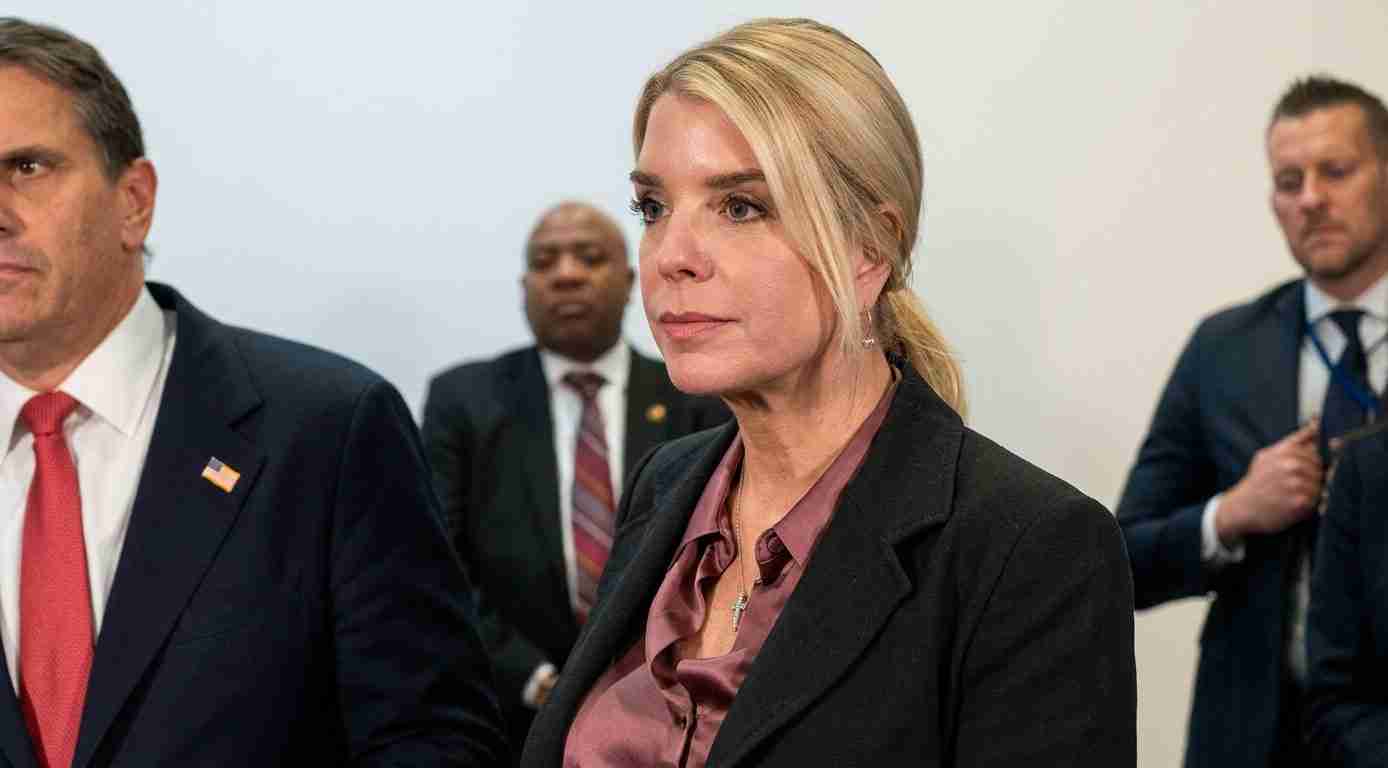
President Donald Trump dismissed Attorney General Pam Bondi on April 2, 2026, naming Deputy Attorney General Todd Blanche acting attorney general amid reports of dissatisfaction over her handling of Jeffrey Epstein files and perceived reluctance to pursue political rivals.
- Leadership change: Trump removed Pam Bondi on April 2, 2026, naming Todd Blanche acting attorney general.
- Epstein files and denials: Blanche denied the firing was tied to the Pam Bondi Epstein files and said the department released records under the Transparency Act.
- Multiple reported causes: News reports cite Epstein-related handling, stalled politically sensitive probes, and public-relations missteps as contributing factors.
What happened
On April 2, 2026, President Donald Trump dismissed U.S. Attorney General Pam Bondi after 14 months in office and appointed Deputy Attorney General Todd Blanche as acting attorney general. Reporting and official statements point to growing presidential dissatisfaction over Bondi’s performance, notably her handling of materials tied to Jeffrey Epstein and an alleged lack of aggression in pursuing figures the White House viewed as political opponents. (Sources: The Independent, CBS News.)
What Trump and Bondi said
Trump confirmed Bondi’s ouster in a Truth Social post, calling her a “Great American Patriot and loyal friend,” saying she will move to the private sector and praising her service. He also named Todd Blanche — a “very talented and respected Legal Mind” — to serve as acting attorney general until a permanent replacement is chosen. (Source: CBS News.)
Bondi, who was reportedly in Florida when she learned of her dismissal, posted on X that the transition was smooth, that she looks forward to the private sector, and pledged continued support for the president. (Source: CBS News.)
Blanche’s denials and defense
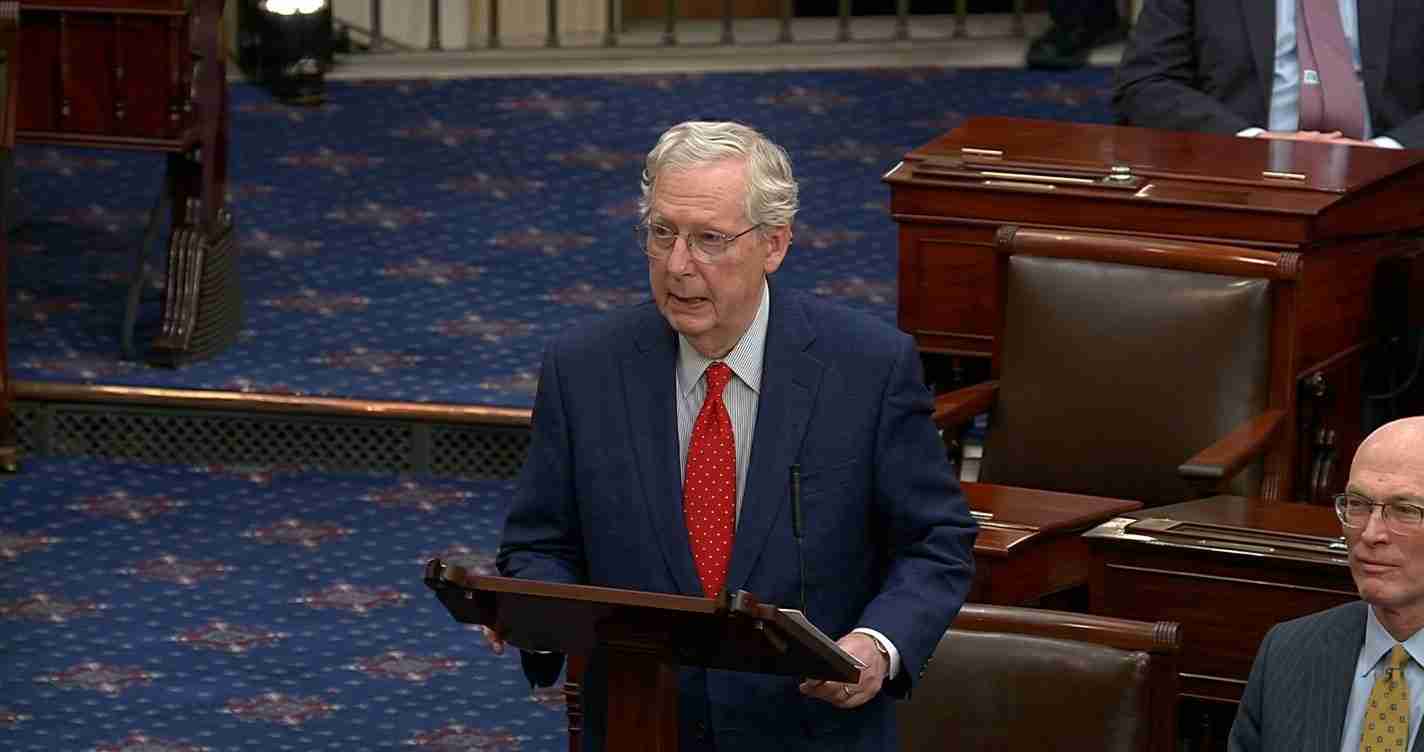
Acting Attorney General Todd Blanche moved quickly to deny that Epstein-related matters prompted Bondi’s firing. On television and in public remarks he said he never heard the president link the removal to the Pam Bondi Epstein files, and he defended the Justice Department’s handling of records, pointing to the Transparency Act as the mechanism for releasing relevant files. Blanche said he and Bondi voluntarily appeared before Congress to answer questions and argued the Epstein material should not define the DOJ going forward. (Sources: CBS News, Blanche TV remarks.)
“I would not believe that for a second — absolutely, positively not,”
— Todd Blanche, rebutting a report that Bondi tipped off Rep. Eric Swalwell
Reports on reasons for dismissal
Multiple outlets and insider accounts suggest a mix of causes. One central issue was Bondi’s handling of documents connected to Jeffrey Epstein: the timing of releases, redactions, and public statements (including a later-walked-back reference to an “Epstein client list”) spurred heavy congressional scrutiny and a contentious February hearing. (Sources: CBS News, The Independent.)
Beyond Epstein, the White House reportedly objected to the lack of expected criminal charges in several politically sensitive probes. Figures the president sought more aggressive action against included New York Attorney General Letitia James, Senator Adam Schiff, Federal Reserve Chair Jerome Powell, and Michigan Governor Lisa Cook — investigations which stalled or failed to produce the results the administration wanted. Conservative allies also criticized Bondi’s effectiveness as a public surrogate after several high-profile media missteps. (Source: TV reporting and interviews: TV segments, related reporting.)
A separate flashpoint followed the assassination of conservative commentator Charlie Kirk: Bondi reportedly urged officials to explore “hate speech” theories, a move that alarmed some conservatives concerned about First Amendment implications. (Source: TV reporting: Related TV reporting.)
Congressional oversight and the Epstein files
The Justice Department has been under congressional pressure over the Epstein documents. Blanche cited the Transparency Act and the department’s release of records as evidence of openness, saying that Bondi and he voluntarily appeared before lawmakers and that members were given access to redacted and unredacted materials. Bondi also faces a House subpoena set for April 14, 2026, though she has offered voluntary cooperation; that subpoena ensures the matter will remain in public view even as DOJ leadership changes. (Source: CBS News.)
Blanche’s background and potential transition
Todd Blanche is a familiar figure in the president’s legal circle, having served as Trump’s defense attorney in high-profile matters involving classified documents and hush-money allegations. Blanche said he was “honored” to serve as acting attorney general and praised Bondi’s service, calling the department and nation “better” and “safer” as a result of her work. Reports also indicate that EPA Director Lee Zeldin is under consideration to replace Bondi permanently, according to reporting on internal White House discussions. (Sources: TV interviews, CBS News.)
A second Cabinet shakeup in a month
Bondi’s removal marks the second major cabinet change in under a month; on March 5, President Trump fired and reassigned Homeland Security Secretary Kristi Noem. These swift personnel moves signal rising impatience in some White House circles with officials perceived as failing to meet the president’s political and policy expectations. (Sources: CBS News, The Independent.)
Implications for San Luis Obispo, California
Economic impact
Federal legal priorities can affect local economies. A shift in DOJ focus may influence which cases receive federal resources. San Luis Obispo businesses with federal contracts or regulatory ties could see changes in enforcement emphasis — for example, reduced civil financial enforcement could ease pressure on some firms, while a more aggressive criminal enforcement posture could raise compliance costs.
Political consequences
The change at DOJ will be monitored by local leaders. San Luis Obispo County’s mix of moderate voters may press local politicians to clarify positions on justice and transparency issues tied to the Epstein files and federal prosecutions. The House subpoena of Bondi may also prompt local members of Congress and county officials to call for additional oversight or to defend the department’s handling.
Social effects
National scandals often echo locally: victims’ advocates, campus groups at Cal Poly, and community organizations in San Luis Obispo might renew calls for federal attention to sex-trafficking and survivor support. Public debate over the Bondi Epstein materials could increase local demand for resources dedicated to victims.
Cultural relevance
San Luis Obispo’s civic culture values transparency and due process. Questions about redactions and public hearings resonate with voters; local media and community forums are likely to hold leaders accountable for their response to federal shifts in law-enforcement priorities.
Practical applications for residents
Residents may notice little immediate change in daily life, but law-enforcement cooperation with federal agencies could shift. Local prosecutors who rely on federal partnerships for major cases should watch policy directions from Washington. Businesses and nonprofits should review compliance programs and legal counsel in light of possible enforcement changes.
Sources and further reading
- CBS News: Trump fires Attorney General Pam Bondi; Todd Blanche named acting attorney general
- The Independent: Pam Bondi fired — live updates and analysis
- Video: Todd Blanche interviews and reporting
- Video: Related TV segments and reporting on Bondi and Epstein files
Reporting continues as developments unfold.