Bondi accuses Sen. Blumenthal of lying about military service during heated Senate Judiciary Committee hearing
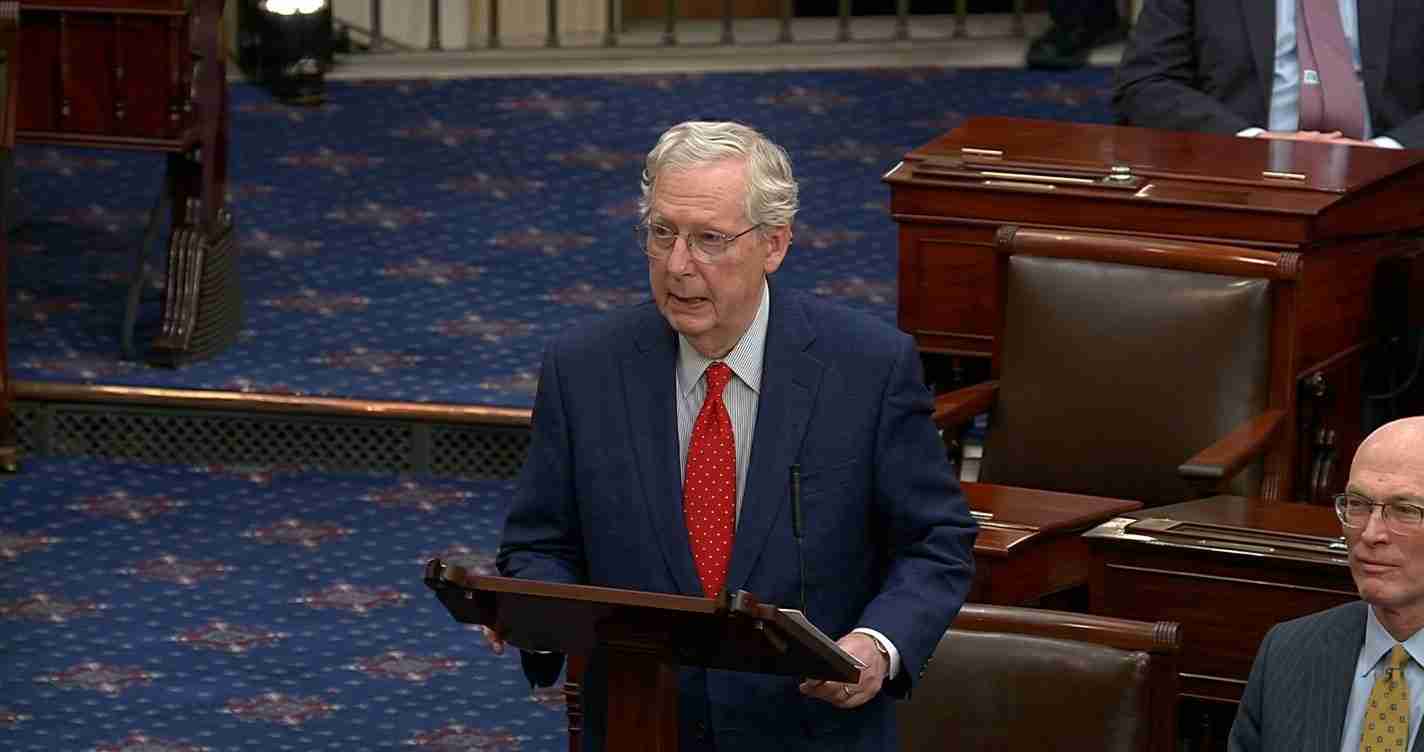
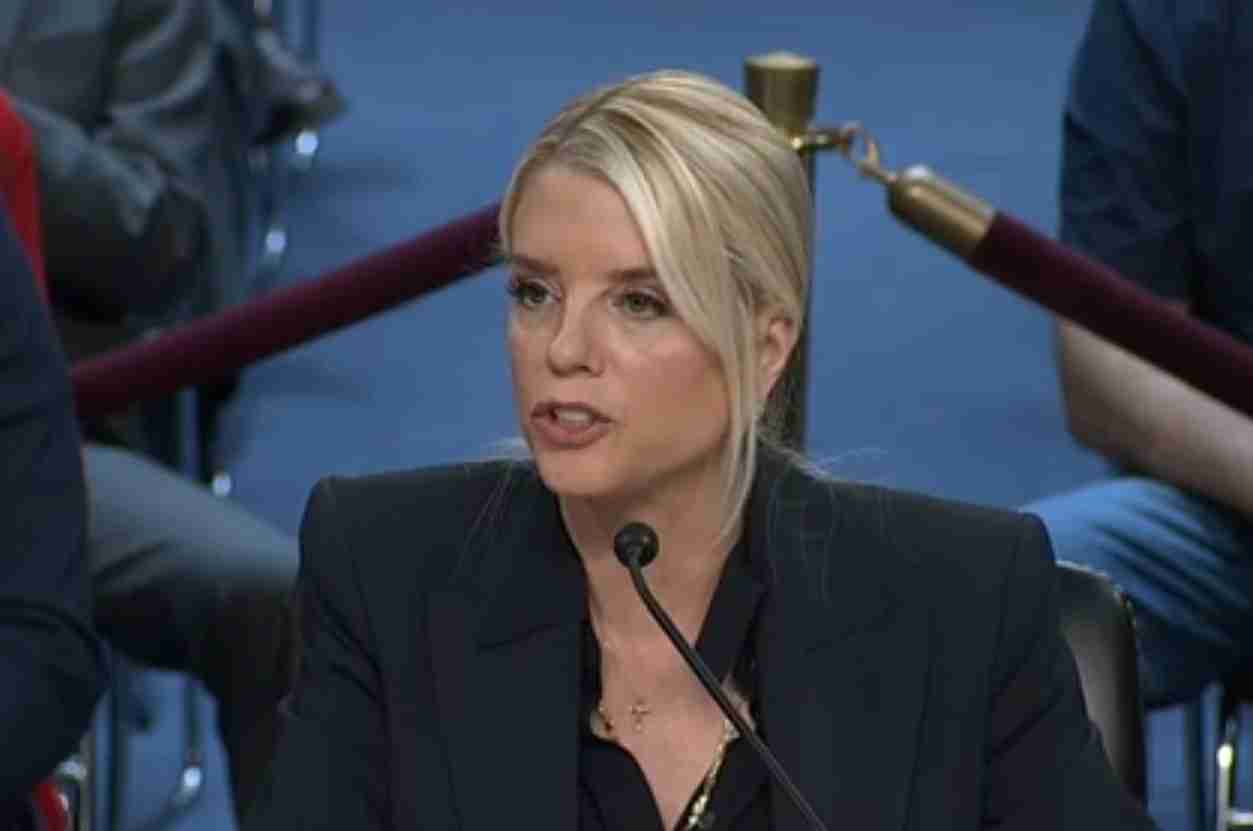
At an October 2025 Senate Judiciary Committee hearing in Washington, former Florida AG Pam Bondi sharply accused Sen. Richard Blumenthal of lying about his military service after he questioned her former law firm’s lobbying of the Justice Department.
- Heated exchange: Bondi publicly accused Sen. Blumenthal of lying about his military service during an October 2025 oversight hearing.
- Central issue: The confrontation followed questions about whether Bondi or her former law firm lobbied the Department of Justice.
- Viral moment: The live video of the hearing circulated widely and shifted attention from lobbying questions to personal credibility.
- No new findings: The hearing produced no immediate disciplinary actions or new evidence about Blumenthal’s military record.
Setting and focus of the hearing
The Senate Judiciary Committee convened an oversight hearing in October 2025 to examine Justice Department actions during the Trump administration. Senators from both parties pressed DOJ witnesses and outside figures about transparency, partisan decisions, and whether private attorneys influenced prosecutions and civil suits.
The session included sustained questioning about allegations that DOJ officials took politically motivated actions and whether outside counsel or former officials used relationships to affect case outcomes. The live video of the hearing captures much of the tense back-and-forth that drew attention from reporters and social media.
The exchange: Bondi fires back
The confrontation began when Sen. Richard Blumenthal questioned Pam Bondi about whether she or her former law firm had lobbied the Justice Department to drop or alter lawsuits. Bondi forcefully rejected the implication and pivoted to a personal rebuke.
“I cannot believe that you would accuse me of impropriety when you lied about your military service. You lied. You admitted it. You were elected a US senator. You lied about it—how dare you.”
The remark echoed across the hearing room and the video of the moment was widely shared online, shifting media attention from the original line of questioning to the personal exchange.
Bondi’s defense and context
Bondi defended her record, highlighting her long career as a prosecutor and insisting she had followed ethics rules. “I’m a career prosecutor. Don’t you ever challenge my integrity. I have abided by every ethics standard,” she told senators, adding that suggestions her former firm had improperly influenced the DOJ were unfounded.
While the hearing included questioning about private lawyers alleged to have lobbied DOJ officials, the public record shown at the session did not produce new disciplinary findings directly tied to Bondi.
Historical background on Blumenthal’s military statements
Sen. Richard Blumenthal has faced scrutiny over past statements about his military service during the Vietnam-era. Critics have said he implied service in Vietnam when he was actually stationed in the United States. Blumenthal previously acknowledged the misstatements and apologized before his Senate election; the hearing revived that history without producing new evidence.
Bondi lobbying questions DOJ: what was asked
Senators—including Blumenthal—pressed Bondi on whether she or her former firm lobbied the Justice Department to drop or alter lawsuits. Those questions arose from broader committee scrutiny about private lawyers’ access to DOJ officials and whether relationships were used to influence outcomes.
Bondi rejected the line of questioning as an attempt to undermine her credibility rather than present substantive evidence. The hearing transcript and full hearing video and recorded exchange show the session shifted into a personal confrontation rather than producing a detailed record of lobbying actions.
Political and media reaction
The exchange was widely covered as an example of rising partisan heat during oversight hearings. Commentators described the moment as emblematic of how oversight can pivot from policy to personal attack, and observers noted Bondi’s accusation diverted attention from probing questions about her former firm.
The most widely shared record of the event was the hearing video, which was reposted and cited across news reports and social platforms, amplifying the viral moment as the central takeaway from that day’s testimony.
No immediate official findings
The hearing did not produce new official findings about Blumenthal’s military record, nor did it result in formal DOJ discipline tied to Bondi’s former firm. Committee members continued oversight work, but the interaction remained a charged, highly viewed moment rather than a source of new disciplinary action.
Implications for San Luis Obispo, California
Economic impact: Local businesses and law firms in San Luis Obispo are unlikely to see direct economic effects from this Washington exchange. However, national scrutiny of law firm lobbying could increase demand for regulatory and compliance work among local firms.
Political consequences: The episode may shape how moderate voters view federal oversight and political accountability. Local leaders and candidates may emphasize transparent engagement with federal agencies and clear record-keeping.
Social effects: San Luis Obispo’s active veteran community, including Cal Poly students with military ties, may feel the renewed focus on how elected officials discuss service and the standards expected of public figures.
Cultural relevance & practical applications: The clash highlights themes of trust in institutions and respect for public service. Residents can review the public hearing video and committee records for direct information; local attorneys and businesses should monitor federal oversight that could affect litigation or compliance needs.
Sources and further reading
- Full hearing video and recorded exchange — live-stream of the hearing and the viral exchange (Times Media Service).