Democrats under fire as SNAP benefits halt November 2025 amid federal government shutdown
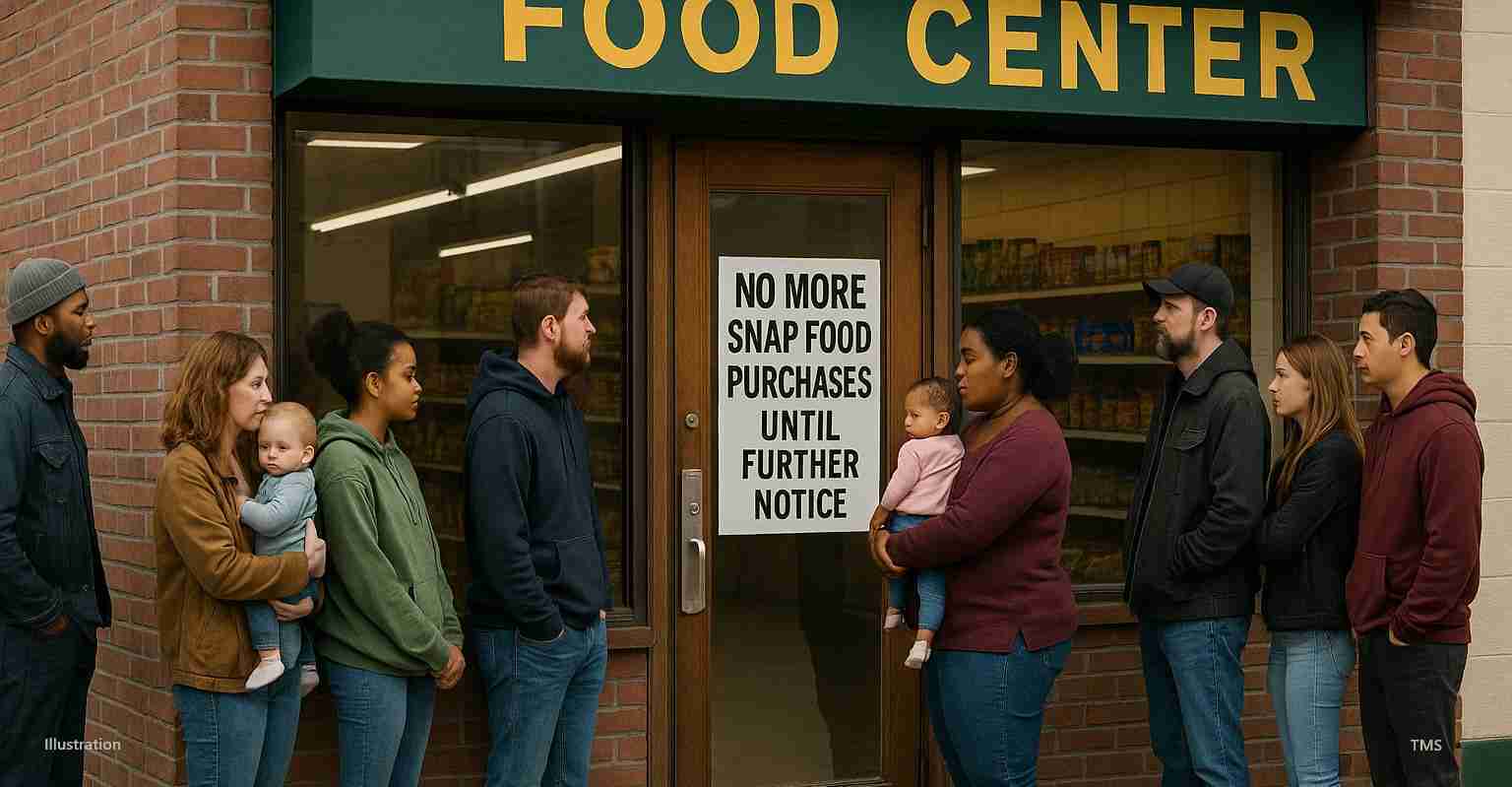
About 42 million Americans face a sudden disruption as SNAP (food stamp) benefits are set to stop on November 1, 2025, if the federal government shutdown continues, potentially leaving millions without their monthly assistance or support.
Key takeaways
- Program affected: SNAP (Supplemental Nutrition Assistance Program), commonly called food stamps.
- Who is impacted: About 42 million recipients nationwide, across all U.S. states and territories.
- Cutoff date: Benefits expected to stop on November 1, 2025 if the shutdown persists.
- State actions: States can accept and process applications but cannot issue November payments until federal funding resumes.
Main content
What is happening and why
Federal SNAP funds are administered by the U.S. Department of Agriculture’s Food and Nutrition Service (FNS). Because SNAP is financed 100% with federal dollars, a lapse in appropriations during a shutdown prevents FNS from sending funds to states for benefit payments. Multiple state agencies report they will be unable to issue SNAP payments or guarantee EBT card transactions for November 2025 until Congress passes funding or a short-term measure to cover benefits.
State notices emphasize that some households may still have remaining EBT balances from prior months that can be used until those funds run out or until states disable EBT networks. However, new monthly payments scheduled for November are at immediate risk if the shutdown continues.
Who is affected
Nearly 42 million people rely on SNAP nationwide, including families with children, seniors on fixed incomes, people with disabilities and low-wage workers. The interruption will affect recipients in every state and U.S. territory. For example, California officials note that CalFresh applicants and recipients can still apply and report changes, but cannot receive November benefits until federal funding resumes (CalFresh frequently asked questions).
What recipients should know now
- Check state guidance: Monitor your state agency website and local office for the latest updates—states are posting guidance about benefit status and how to stay informed (Missouri Department of Social Services — Federal shutdown impacts).
- EBT balances: If your account shows a remaining balance, you may be able to use those funds while they remain available, but do not assume new allotments will arrive on schedule.
- Applications: States will continue to accept applications and process changes, but cannot issue funds without federal appropriations.
State and local response
State agencies and local nonprofits are preparing for increases in need. Community food banks, pantries and faith-based charities—many not dependent on federal funding—are ramping up planning to meet higher demand if SNAP benefits are suspended.
California’s Department of Social Services has published guidance urging residents to stay in contact with county offices and to use available non-SNAP resources until funding is restored (CalFresh frequently asked questions).
Alternatives and community help
Nonprofits and local charities are a frontline response when federal benefits pause. State and national food bank networks are compiling directories and hotlines to help people find emergency food assistance. Some community groups have begun drives to build pantry supplies ahead of November 1.
Households facing a sudden loss of SNAP should contact local food banks, county social services, and school meal programs immediately.
Political context: Why Democrats are under fire
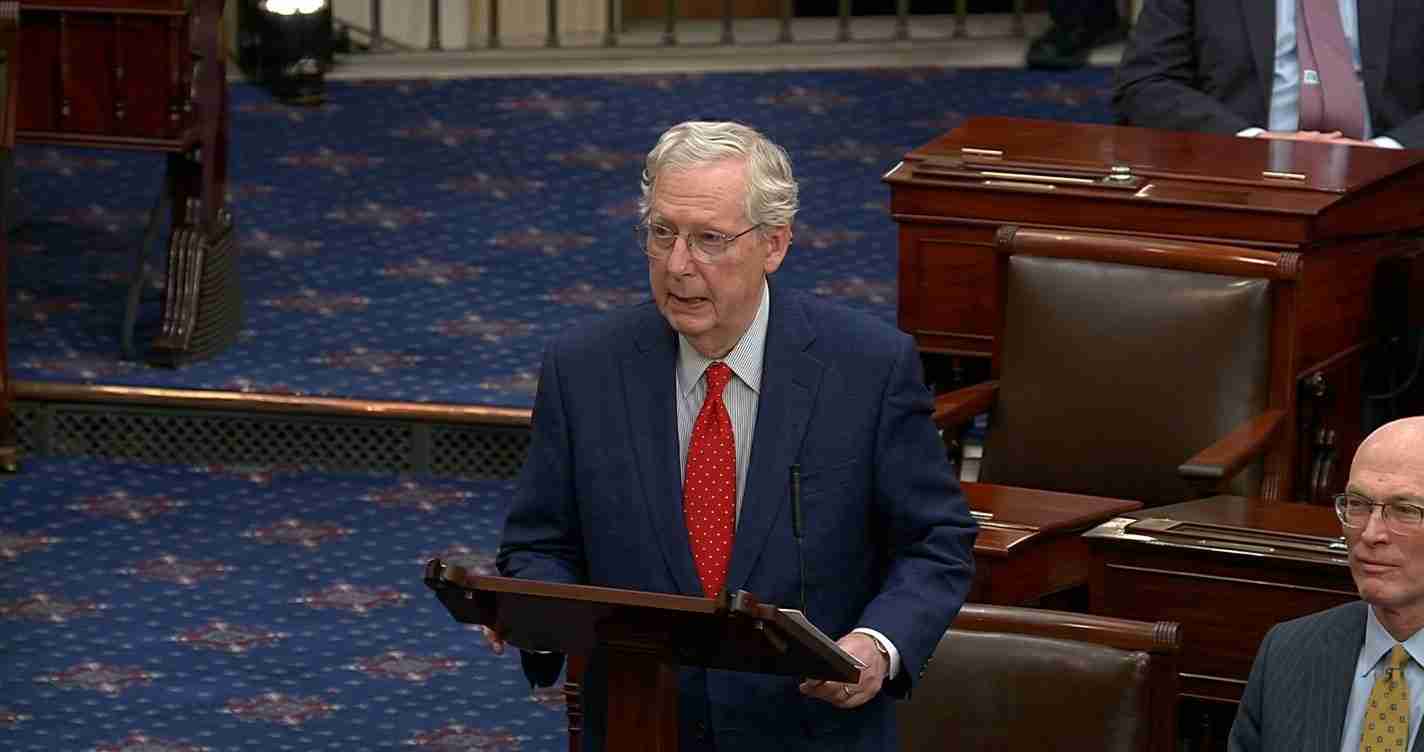
With budget talks stalled, both parties face criticism. Current reporting shows heightened scrutiny directed at Democrats in some coverage for failing to reach a deal to avert the SNAP halt, even as Republicans also face blame for the impasse. The shutdown has become a test of political will over federal spending priorities and protections for safety-net programs.
What happens next
SNAP payments will resume once Congress funds the program and the federal government reopens. There is no set timeline; state agencies advise recipients to monitor official channels for updates. States will continue processing applications so benefits can be paid quickly once funding is restored.
Implications for San Luis Obispo, California
Economic impact: San Luis Obispo County includes low- and moderate-income households, seasonal workers and older residents who rely on CalFresh. A pause in SNAP benefits would reduce household buying power, potentially affecting local grocery sales and increasing demand at food banks.
Political consequences: Local officials may face pressure from constituents to secure interim aid and press Congress for urgent funding. The stoppage could become a focal point in local political discussions about federal budget priorities.
Social effects: Families with children, seniors and disabled residents could face sharply reduced food access. Schools and child nutrition programs may see increased demand for free or reduced-price meals; nonprofit meal programs will likely become critical emergency resources.
Practical steps: Residents should contact San Luis Obispo County Social Services and CalFresh resources, check EBT balances, monitor county notifications, and locate nearby food pantries now.
Sources and further reading
- SNAP benefits paused starting November 1 — Pennsylvania Association of Community Health Centers / providers summary
- Missouri Department of Social Services — Federal shutdown impacts
- California Department of Social Services — CalFresh frequently asked questions
For the latest local guidance in San Luis Obispo, contact County Social Services and local food banks listed on county websites and the California Department of Social Services pages above.