White House Defends “President Donald J. Trump Ballroom” as Democrats Slam Privately Funded Project, East Wing Demolished
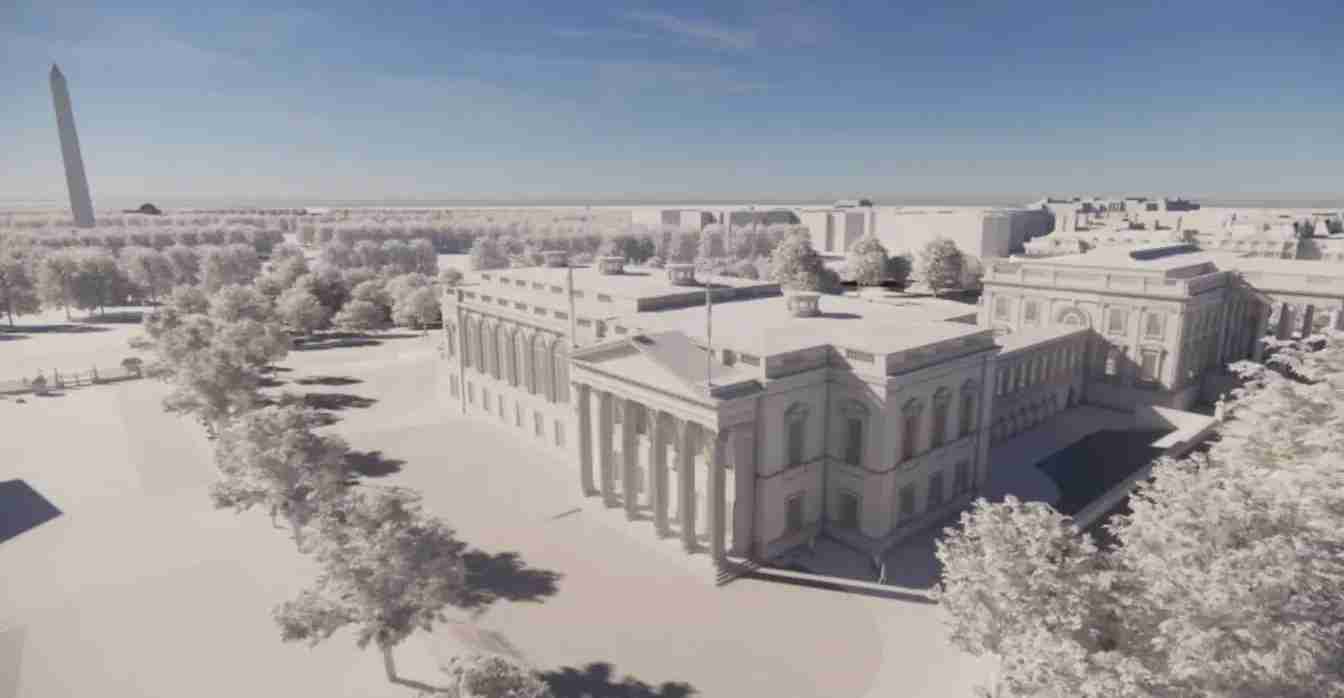
The White House is moving forward with a privately funded grand ballroom, reportedly titled “The President Donald J. Trump Ballroom,” replacing the East Wing. Democrats and preservationists decry the demolition while officials call it routine modernization.
Key takeaways
- Privately funded addition: Officials say the ballroom is privately funded and replaces the East Wing (ABC News; White House briefing).
- Contested name: Senior officials have used “The President Donald J. Trump Ballroom,” though the president declined to confirm the name publicly (ABC News).
- Scale and cost: Estimated cost is $200–$300 million, built by Clark Construction and designed by McCrery Architects; seating estimated between ~650 and up to 900 guests (White House briefing).
- Critics vs. defenders: Democrats, preservationists and some commentators call it self-promotional and harmful to historic character; the administration frames it as legacy modernization (Society of Architectural Historians; White House article).
Main coverage
What the White House is saying
White House spokespeople defend the project as routine modernization and a gift to the nation. A White House article described the ballroom as a “proud presidential legacy” and cited past presidents who modernized the residence (White House article).
Press Secretary Karoline Leavitt called criticism “fake outrage,” arguing that “nearly every single president has made modernizations and renovations of their own,” and repeatedly noted the administration’s claim that the work is privately funded by donations from “generous patriots, Great American Companies, and yours truly” (Fox News; White House briefing).
The naming question
Multiple senior officials have referred to the addition as “The President Donald J. Trump Ballroom,” but when reporters asked President Trump he declined to confirm the name, saying, “I won’t get into that now” (ABC News).
Supporters see the repeated use of the full name as consistent with the president’s branding style; critics call it an unprecedented personalization of a national institution.
Project scope, cost and contractors
The White House released design and contractor details: Clark Construction is listed as the builder and McCrery Architects as designer. Officials estimate the cost at $200 million to $300 million, with seating anywhere from about 650 up to 900 guests. The administration says the ballroom will be completed before the end of the president’s term (White House briefing).
Critics’ concerns: history, self-promotion and transparency
Democrats and preservation groups argue the project blends private branding with public symbolism and threatens the White House’s historic character. Opponents say naming a major new space after a sitting president crosses lines of modesty and tradition (Society of Architectural Historians; ABC News).
Commentator Bill Maher framed the construction as symbolic of a refusal to cede the White House and linked the East Wing demolition to a larger narrative about power and permanence (Fox News).
Photographs, access and public records
Reports that staff were discouraged from photographing the demolition site raised concerns about transparency. The administration says restrictions were tied to construction safety and worker privacy; critics say limits fueled suspicion about efforts to restrict public scrutiny (YouTube video).
How this fits into presidential precedent
Officials point to a line of presidential changes — Theodore Roosevelt’s West Wing and other historic alterations — as precedent for modernization. Supporters say private funding for White House projects has historical analogues and the ballroom should be seen as continuity rather than an outlier (White House article).
Political reaction and public debate
Political lines hardened quickly: Democrats and preservation advocates view the naming and demolition as troubling personalization; many Republicans and supporters call critics partisan and point to private funding and stated public benefits (ABC News; Fox News).
Implications for San Luis Obispo, California
Although the ballroom itself will not change daily life in San Luis Obispo, the controversy may influence local philanthropy and politics:
- Economic impact: Donors who prioritize local preservation or cultural institutions may shift giving to national projects, increasing competition for large private gifts (White House briefing).
- Political consequences: Local forums and candidate debates could see questions about presidential modesty and naming rights.
- Social and cultural effects: Preservation-minded residents may draw parallels with local development and increase activism and volunteerism (Society of Architectural Historians).
- Practical applications: Civic groups may use the episode to press for clearer rules on naming public spaces and private funding of national sites.
Sources and reporting notes
This article draws on reporting and official statements from the following primary sources:
- ABC News
- White House briefing — Ballroom construction announcement
- White House article — Proud presidential legacy
- Fox News — Coverage of demolition and celebration
- Fox News — Bill Maher commentary
- Society of Architectural Historians — Statement on proposed ballroom
- YouTube — Reports on demolition and photo restrictions
“Nearly every single president has made modernizations and renovations of their own,” — White House statement as reported by officials; critics call the project a measure of personalization that unsettles historic practice.
Note: All factual details, quotations and source links above are preserved from public reporting and official statements.