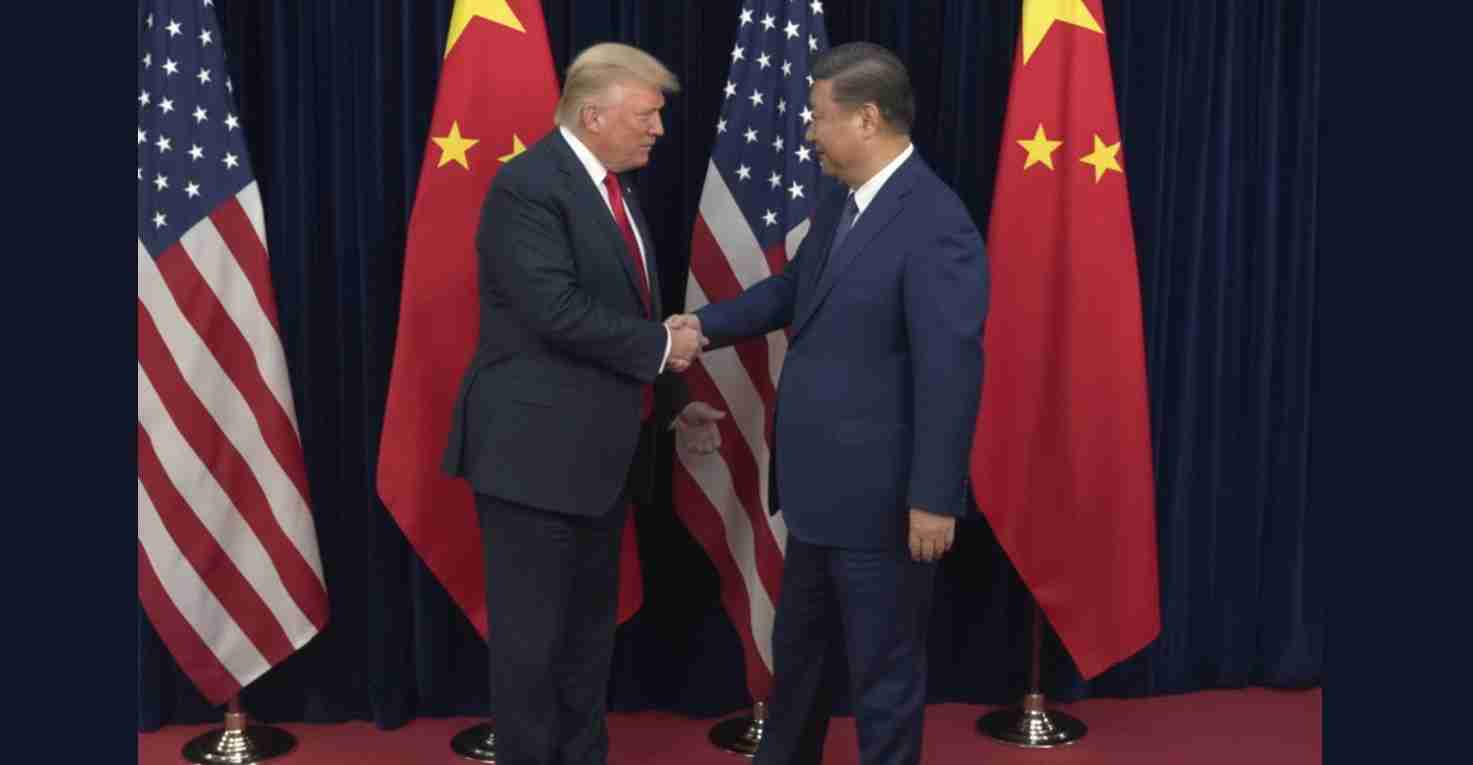
Trump signals big tariff cut on China as Beijing signals openness to talks; markets cheer ahead of Geneva trade meeting
President Donald Trump and U.S. Treasury Secretary Scott Bessent signaled large tariff cuts on Chinese imports — reportedly from 145% to about 80% — ahead of high-level U.S.-China trade talks in Geneva, prompting positive market reactions and diplomatic outreach.
Key takeaways
- Possible tariff rollback: Trump and Treasury Secretary Scott Bessent have signaled cuts from 145% to roughly 80%, according to industry and business reporting including ASICentral, Fortune and ABC Columbia.
- Geneva meeting: U.S. and Chinese trade teams are set to meet in Geneva in a diplomatic push to deescalate the trade war and address tariffs, import rules and broader economic issues.
- Beijing open to dialogue: China has described frictions as normal and signaled willingness to engage in talks, while reporting shows no clear, attributable link tying tariff cuts directly to Xi Jinping’s remarks on fentanyl enforcement or rare-earths.
Tariff signals and what they mean
What was signaled: Public comments attributed to President Trump and U.S. Treasury Secretary Scott Bessent have drawn attention because they suggest a notable rollback of tariffs imposed on China-made imports. Multiple outlets reported that Trump floated cutting tariffs from the current level of 145% to roughly 80%.
Industry coverage, including reporting at ASICentral, Fortune, and ABC Columbia captured those signals and the potential market implications.
Implications: A cut of this magnitude would be large enough to ease costs for U.S. companies that import parts and finished goods from China, but it would still leave an 80% tariff — a significant trade barrier that could prompt calls in Washington for safeguards for domestic manufacturers and workers.
US-China trade talks and the Geneva Trade Meeting
Who is meeting: Reporting indicates U.S. Treasury Secretary Scott Bessent and U.S. Trade Representative Jamieson Greer are scheduled to meet with Chinese Vice Premier He Lifeng in Geneva as part of a broader diplomatic push.
The Geneva Trade Meeting is being watched by markets and businesses as a potential turning point. Officials are expected to discuss tariffs, import rules, supply chains, subsidies, technology transfer concerns, and other structural economic issues.
China’s public stance and Xi Jinping’s comments
Official messaging: Beijing has emphasized that frictions between the two largest economies are normal, and public statements by Chinese leaders suggest a preference for dialogue over escalation. In contemporaneous remarks, Xi Jinping noted that such frictions can occur and signaled willingness to manage disputes through talks.
Separate reporting has also captured Chinese signals on topics like fentanyl enforcement and rare-earths, but available accounts do not document a direct, attributable quid pro quo tying specific Chinese commitments to a U.S. tariff rollback.
Market and economic effects
Immediate market reaction: Markets reacted positively to news of possible tariff reductions, with investors moving on the signals captured by industry reporting such as the ASICentral coverage.
Potential benefits: Lower tariffs could reduce costs for U.S. retailers and manufacturers that import from China and could temper price growth on some imported consumer goods.
Potential downsides: Domestic producers that compete with Chinese imports may press for protections or transition assistance. Even at 80%, tariffs would remain a major influence on supply-chain decisions and business planning.
Political calculations and open questions
The timing of tariff signals ahead of Geneva raises political questions in Washington. Lawmakers across the aisle are split: some favor lower tariffs to ease consumer prices and reduce tensions, while others view tariffs as leverage to alter China’s economic behavior.
Gaps in reporting: Public accounts confirm discussions of tariff reductions and planned meetings in Geneva, but they do not show a documented quid pro quo linking tariff cuts to specific Chinese actions on fentanyl or rare-earths. Careful follow-up reporting will be required to confirm any concrete agreements.
Implications for San Luis Obispo, California
Economic impact
- Local businesses: A tariff rollback could lower import costs for San Luis Obispo retailers and small manufacturers sourcing from China, potentially easing overhead and consumer prices.
- Agriculture and wine: Central Coast exporters and wineries may feel indirect effects if broader economic demand rises; direct impacts will depend on how tariff changes affect overall U.S. demand and margins.
- Tourism and services: Improved market sentiment may boost national consumer confidence and leisure travel, possibly lifting tourism to the county.
Political consequences
- Local officials and voters in a politically moderate area may balance support for lower consumer costs with calls for worker protections and transition support.
- Regional chambers and business groups will watch outcomes and may lobby for safeguards if changes threaten local manufacturers.
Social and cultural effects
- Jobs: Shifts in supply chains could create both opportunities (retail, services) and challenges (competitive pressure on manufacturing); workforce development programs may need to adapt.
- Cost of living: Any sustained downward pressure on consumer prices could help residents coping with high local costs.
- Community values: Local discourse is likely to favor measured approaches that support businesses while protecting workers and the environment.
Practical takeaways for residents
- Shoppers: Watch prices at local stores and online retailers—tariff changes can affect electronics, apparel and household goods.
- Small business owners: Review supply contracts and consider contingency plans for shifts in tariff policy.
- Policymakers and advocates: Request briefings from federal representatives after the Geneva meeting to understand local impacts.
Reporting and next steps
The Geneva Trade Meeting will be the focal point for verifying whether signals about tariff reductions become formal commitments. For now, industry and business outlets have captured the signals, market responses, and planned talks while noting that direct links between tariff cuts and China’s public statements on fentanyl or rare-earths remain unconfirmed.
For full context and source reporting see coverage by ASICentral, Fortune, and ABC Columbia.