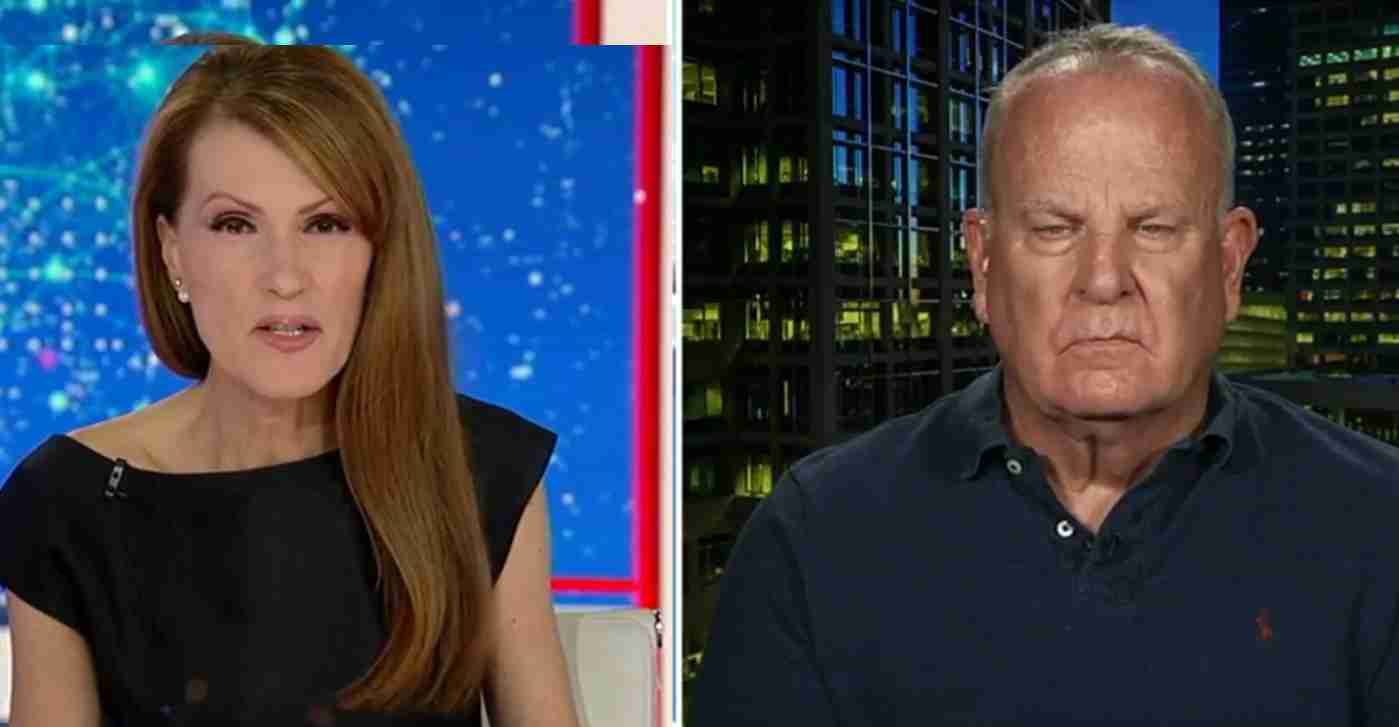
Former Air Traffic Controller Michael Pearson on Fox Business: FAA Staffing Crisis Fueled by Decades of Mismanagement, Outside Help Needed During Shutdown
Former air traffic controller Michael Pearson told Fox Business on Nov. 6, 2025 that a decades-long pattern of FAA mismanagement, compounded by the ongoing government shutdown, has produced dangerous staffing shortages and mandatory flight cuts at major U.S. airports.
Key takeaways
- Long-term causes: Pearson traces controller shortages to hiring and policy choices dating back more than a decade, calling them disastrous.
- Shutdown impact: Roughly 13,000 controllers and 50,000 TSA agents worked without pay during the shutdown, straining operations.
- Operational response: The FAA ordered a 10% reduction in flights at 40 of the busiest U.S. airports to ease controller workload.
- Fix recommendation: Pearson urged Transportation Secretary Sean Duffy to hire outside experts rather than rely on existing FAA teams.
Main story
Details from the Fox Business interview
On “The Bottom Line” with Dagen McDowell, Pearson described controllers’ working conditions as “dangerous.” He said many facilities are short-staffed while remaining controllers work long shifts — in some cases six days a week for eight to ten hours a day — forcing managers to cut flights to preserve safety margins. This account was presented on Fox Business, and a related video is available online.
Immediate stress vs. long-term problems
Pearson emphasized that the government shutdown, which began Oct. 1, 2025, intensified existing problems rather than creating them. He warned the situation “could get worse before it gets better,” and called proposed two‑year fixes by FAA leadership “insanity.” A short video excerpt captures his warning that the timeline is unrealistic.
Root causes and historical context
Pearson traced a shortage of between 3,000 and 3,500 controllers to hiring policies from roughly 2011–2014 under the Obama administration, which he described as having used disastrous hiring practices. He also asserted some hiring prioritized diversity goals over technical competence, summarizing that decisions emphasizing “the color of the controller” rather than “the competency of the controller” reduced the pool of qualified hires.
Systemic issues beyond the shutdown
Beyond hiring, Pearson criticized longstanding FAA management problems, including the NextGen modernization program. He said billions were spent without clear results and described decades of waste and mismanagement that weakened the FAA’s ability to respond to crises.
Recommendations and responses
Pearson urged Transportation Secretary Sean Duffy to bring in outside consultants with hands-on experience in system reform rather than rely solely on FAA legacy staff. He said:
“Secretary Duffy needs to pull away from the legacy FAA deep state bureaucrats that created this mess and get some outside counseling on how to really fix it.”
Pearson voiced measured optimism about the administration’s intent but insisted independent reformers and technicians are needed to address training bottlenecks and accelerate credible solutions.
What the numbers show
Key figures cited in the interview and related reporting:
- 13,000 air traffic controllers worked without pay during the shutdown.
- 50,000 TSA agents worked without pay.
- Airlines reported at least 3.2 million travelers affected by staffing disruptions tied to the shutdown.
- The FAA moved to reduce flights by 10% at 40 of the nation’s busiest airports to ease pressure on controllers.
Implications for San Luis Obispo, California
Economic impact: San Luis Obispo County relies on tourism, hospitality and Cal Poly events. Flight reductions at major hubs can cascade to regional airports like San Luis Obispo County Regional Airport (SBP), causing delays, canceled connections and fewer visitors — which could depress hotel bookings and strain small businesses.
Political consequences: Local officials may pressure state and federal leaders for emergency support, hold hearings, or request targeted FAA steps to protect regional service. The topic may surface at town halls and county meetings.
Social and cultural effects: Residents who depend on flights for work, family or medical care could face higher costs and longer travel times. Cal Poly students and campus events could be disrupted. San Luis Obispo’s wine country, outdoor recreation and festivals could see reduced repeat visitation if reliability declines.
Practical steps: County officials could seek advance notice of reductions and coordinate with airlines to preserve key connections; business leaders may adopt flexible booking and clear communications; emergency planners should coordinate with state agencies and Cal Fire for medical and firefighting air access.
Reporting notes and context
Pearson’s claims reflect his perspective as a former controller. Journalists and policymakers typically balance such firsthand accounts with agency data, academic studies and officials’ statements. The interview aired on Fox Business, with the full interview video and an additional clip available online for review.
Sources and further reading
- Fox Business report and interview coverage
- Full interview video on YouTube
- Additional video clip of Pearson warning things “could get worse”
This story draws on Michael Pearson’s Nov. 6, 2025 interview on Fox Business. Policymakers, aviation experts and local officials will continue weighing immediate steps to ease strain on controllers during the shutdown while debating longer-term FAA reforms.