FAA Lifts Flight Restrictions as Controller Staffing Rebounds; Transportation Secretary Credits Trump for Return of Workforce
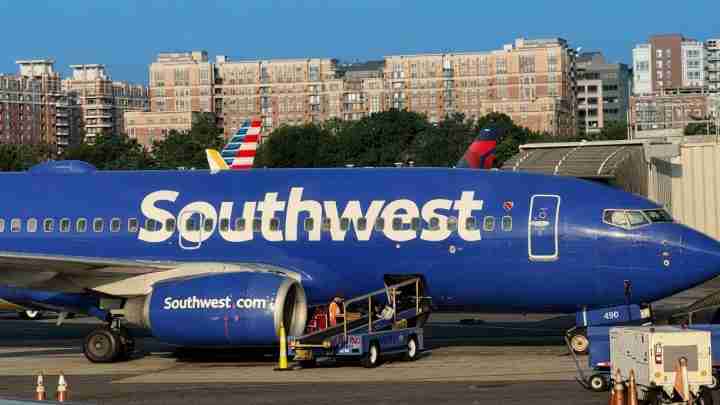
The FAA ended its emergency flight reduction order Nov. 17, 2025, restoring normal commercial operations after a 43-day government shutdown caused severe controller staffing shortages that disrupted travel nationwide, easing pressure ahead of Thanksgiving schedules.
- Emergency order lifted: Effective Nov. 17, 2025, 6 a.m. EST, the FAA canceled the flight-reduction order and restored Commercial Airlines Normal Operations across the National Airspace System (FAA newsroom).
- Staffing rebound: Controller staffing triggers fell from a high of 81 on Nov. 8 to four by mid-November, prompting progressive easing of limits (U.S. Department of Transportation briefing).
- Backpay and politics: Transportation Secretary Sean P. Duffy said controllers would receive 70% of backpay quickly and publicly credited President Trump’s leadership for aiding the workforce’s return (Duffy remarks (video)).
Background: emergency order and the shutdown’s impact
The FAA issued an emergency order on Nov. 7, 2025, after the longest government shutdown in U.S. history left air traffic control centers short-staffed and strained. Controllers worked without pay for weeks, and the FAA cited rising safety triggers and on-the-job incidents that warranted limits on air traffic to protect safety (KUTV).
During the 43-day shutdown that ended Nov. 12, airlines and the FAA grappled with staffing gaps and severe weather. At one point more than 2,900 flights were canceled on Nov. 9 amid the emergency order, shortages and storms, producing nationwide travel disruption (KUTV).
How the FAA eased restrictions
FAA leaders rolled back limits as staffing improved. On Nov. 12 the agency reduced the required flight cut from 10% to 6%, and two days later cut the limit to 3%. Those stepwise changes reflected a steady decline in staffing-trigger events and a safer operating environment (FAA emergency order cancellation and replacement (PDF); Nov. 14 addendum).
By Nov. 17 the FAA’s safety team concluded that sustained improvements supported full cancellation of the emergency order, effective 6 a.m. EST, removing caps on scheduled flights at major airports (FAA newsroom).
What the lift of restrictions means
The termination removed several categories of limits that had been in place, including:
- Flight reductions at major hubs such as New York, Chicago, Los Angeles and Atlanta (KUTV).
- Limits on general aviation at 12 airports and restrictions on visual flight rule approaches at facilities with staffing triggers.
- Nighttime-only windows for some commercial space launches and reentries, and limits on parachute operations and photography missions near busy facilities (FAA newsroom).
Industry response and Thanksgiving outlook
Airlines welcomed the move, saying it removes planning uncertainty as carriers adjust for the Thanksgiving travel surge. With the emergency order lifted, carriers can reinstate previously reduced flights and add extra service where demand warrants (KUTV).
FAA officials also said they are reviewing potential carrier noncompliance while the order was active and will assess enforcement options if rules were not followed (KUTV).
Safety review and continuing monitoring
The FAA emphasized that the decision was safety-driven. Its safety team reviewed staffing data and incident reports and concluded improvements were sustained enough to remove limits. The agency will continue monitoring staffing, safety trends and potential carrier noncompliance as the government reopens (FAA newsroom; DOT briefing).
Controller pay, staffing rebound and political remarks
Transportation Secretary Sean P. Duffy highlighted controller compensation as central to the staffing rebound, saying controllers would receive 70 percent of backpay within 48 hours of the government reopening. Duffy publicly credited President Trump’s leadership for helping secure the workforce’s return, while both the DOT and FAA emphasized the decision’s safety basis (DOT briefing; Duffy remarks (video)).
Documentation and official notices
The FAA posted formal notices about the emergency order, its adjustments and cancellation, including the cancellation PDF and the Nov. 14 addendum (FAA emergency order cancellation and replacement (PDF); Nov. 14 addendum). The DOT provided briefing materials and staffing-trigger data (DOT briefing).
Implications for San Luis Obispo, California
Economic impact
San Luis Obispo’s tourism and travel sectors depend on steady air connections during holidays. Although SLO County Regional Airport has fewer flights than major hubs, restored national operations reduce the risk of disruptions that can ripple to regional service, improving connections and reducing last-minute cancellations (FAA newsroom; KUTV).
Political consequences
Local officials may face scrutiny over federal staffing and funding effects on regional travel and safety. The shutdown and flight restrictions underscored how national policy conflicts can directly affect local economies and daily life; county leaders may seek better contingency plans for regional airports.
Social effects
Residents planning Thanksgiving travel should still check with airlines and SLO County Regional Airport for last-minute updates, but the immediate risk of wide-scale cancellations has dropped. Airport and transit staff should expect higher passenger volumes as flights normalize.
Cultural relevance
The end of limitations may ease tensions between businesses and customers in San Luis Obispo while renewing focus on workforce issues such as fair pay for controllers and contingency staffing plans that protect public services.
Practical applications for residents
- Travelers: Check confirmations and arrive early. Airlines are still catching up on rebooking and crew schedules; confirm flights with carriers and SLO County Regional Airport before heading out.
- Employers: Expect increased employee travel requests around Thanksgiving; consider flexible scheduling when possible.
- Local government & public safety: Review emergency response plans for passenger spikes and coordinate with county transit for shuttles and parking needs as volumes climb.
Sources and further reading
Key documents and reporting:
- FAA: U.S. Transportation Secretary Sean P. Duffy and FAA Administrator Bryan Bedford announce
- FAA emergency order cancellation and replacement (PDF)
- FAA November 14 addendum
- U.S. Department of Transportation briefing
- KUTV reporting on FAA lifting order and shutdown impacts
- Transportation Secretary Sean Duffy remarks (video)
Note: The FAA and DOT said the cancellation followed evidence of improved staffing and safer conditions, not political considerations (FAA newsroom).