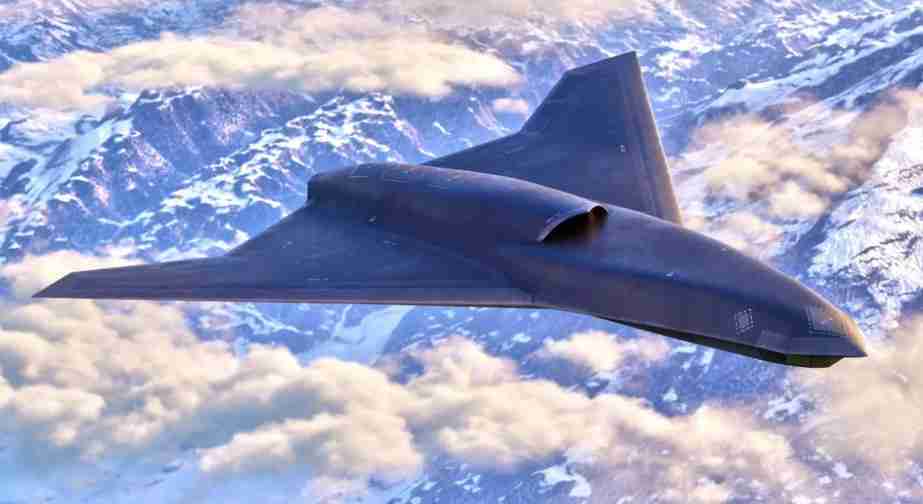
Lockheed’s Skunk Works unveils Vectis stealth combat drone, promising survivability and “teaming” with manned fighters
Skunk Works unveiled Vectis, a Group 5 stealth combat drone emphasizing survivability, modular mission systems, and the ability to “team” with manned fighters. Lockheed expects a first flight in roughly two years, shaping U.S. and allied airpower plans.
- Platform: Vectis — a Group 5 stealth combat drone built for contested airspace; sources include Lockheed Martin and TWZ.
- Roles: ISR targeting, precision strike, electronic warfare, offensive and defensive counter-air (Fox Business).
- Development approach: Built on Skunk Works’ Agile Drone Framework emphasizing open mission systems and modularity (TWZ; Fox Business; Lockheed Martin).
- Teaming: Designed to operate alone or with manned fighters such as the F‑35, F‑22 and future NGAD (Fox Business; National Security Journal).
- Timeline: First flight expected in roughly two years (TWZ; National Security Journal).
Design, capability and the Agile Drone Framework
Skunk Works bills Vectis as a platform optimized for survivability in contested airspace. The design pairs advanced stealth shaping with sensors and systems intended for ISR targeting, precision strike, electronic attack and counter-air missions. The company emphasizes that Vectis is meant to penetrate environments where simpler drones would be vulnerable.
Agile Drone Framework: Skunk Works describes Vectis as a product of its Agile Drone Framework, which stresses open mission systems, modular internal bays, and plug-and-play software and sensors so operators can customize mission kits and rapidly upgrade capabilities. The approach is intended to lower lifecycle costs and shorten concept-to-flight timelines (TWZ; Fox Business; Lockheed Martin).
“A new paradigm for air power,” said O.J. Sanchez, Skunk Works vice president and general manager, highlighting autonomy and systems integration as core enablers.
Teaming with manned fighters and the CCA context
Vectis is positioned as a force multiplier for manned jets. Skunk Works envisions drones like Vectis flying alongside F‑35s, F‑22s and future NGAD fighters in collaborative combat aircraft (CCA) formations where unmanned and manned platforms share sensor data and distribute weapons roles (National Security Journal; Fox Business).
Skunk Works’ announcement follows earlier USAF work on the CCA effort, where high stealth was debated. Vectis is presented as a contender that emphasizes survivability compared with some competitors (TWZ).
Development pace, costs and exportability
Lockheed says development is underway and expects a first flight in about two years, an accelerated schedule for a stealthy, sensor-rich platform. The company frames Vectis as part of a push for more affordable, rapidly fielded systems through modular design and open architectures (Fox Business; Lockheed Martin).
Industry observers note trade-offs between cutting-edge stealth and program cost. Skunk Works argues the Agile Drone Framework lets operators choose capability mixes to meet budgets and missions.
Questions and open points
- Costs & production: Public statements include high-level goals but few hard numbers on acquisition cost or production rates.
- Sensor and weapons fits: Exact payloads and sensor suites were not disclosed.
- Interoperability & export: How openly the drone will share data with legacy systems and how export approvals will be handled remain open.
- Competition & testing pace: Budget decisions, testing speed and competitor bids will shape Vectis’ path to service.
Implications for San Luis Obispo, California
Local economic effects would likely be indirect if Vectis advances. Central Coast firms that do composite work, electronics assembly or systems integration might pursue subcontracts. Cal Poly San Luis Obispo could see increased student interest in aerospace and engineering programs and potential internship or research partnerships.
Political and social effects: Local leaders may face choices balancing economic development with environmental and community concerns. Some residents could welcome higher‑paying defense-related roles; others may push for transparency about local defense work and its impacts.
Practical near-term changes are likely limited: test flights will remain near established aerospace ranges such as Edwards AFB or Palmdale. Still, residents could see changes in low-flying test activity, temporary flight restrictions, and expanded STEM outreach offerings in schools and colleges.
What local officials and residents can watch for
- Contract announcements and supplier bid opportunities from prime contractors.
- Partnership or grant offers from Lockheed Martin to Cal Poly or workforce programs.
- Public notices about proposed facilities, testing ranges or increased flight activity that would trigger hearings.
- State or federal procurement decisions that influence where production and sustainment work is placed.
Sources and reporting
Key reporting and company statements on Vectis are available from:
- Lockheed Martin news release
- TWZ Aviation coverage
- Fox Business article
- National Security Journal perspective on teaming and NGAD
Reporting by Times Media Service in Palmdale and industry outlets shows Vectis as a deliberate push toward stealthy, modular, team-capable drones. Immediate local changes appear likely to be economic and educational rather than a sudden physical presence — but ripple effects could matter as the program advances.