Año Nuevo outbreak: Seven northern elephant seal pups test positive for HPAI H5N1, prompting park closures and expanded coastwide surveillance
Seven weaned northern elephant seal pups at Año Nuevo State Park tested positive for HPAI H5N1, the first confirmed marine mammal cases in California, prompting closures of seal viewing areas and expanded surveillance by federal and academic partners.
Key takeaways
- Seven weaned northern elephant seal pups (Mirounga angustirostris) at Año Nuevo tested positive for HPAI H5N1 — confirmed by USDA NVSL after UC Davis screening. Sources: Mongabay, UC Davis, California State Parks.
- Public access to Año Nuevo seal viewing areas and guided tours were closed starting Feb. 23 to limit spread and disturbance. Source: California State Parks.
- Surveillance is expanding along the California coast, coordinated by UC Davis, UC Santa Cruz, NOAA Fisheries, California Department of Fish and Wildlife, and the West Coast Marine Mammal Stranding Network.
- Officials say public risk is very low, but advise: do not touch live or dead seals, keep pets away, and report sick or dead marine mammals to NOAA at (866) 767-6114.
Outbreak discovery and confirmation
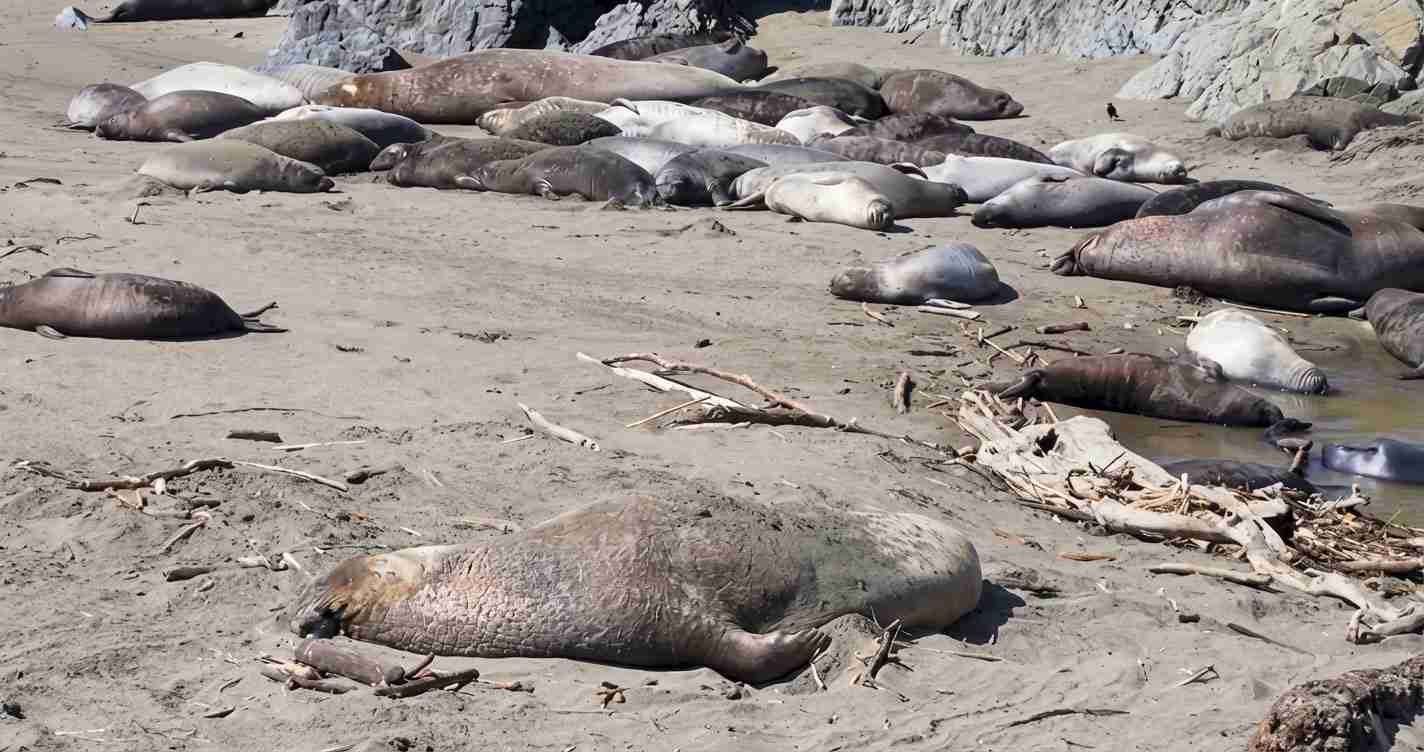
On Feb. 19–20, 2026, field researchers monitoring the long-studied Año Nuevo colony observed pups showing abnormal respiratory and neurological signs, including weakness, tremors, seizures and sudden deaths among weaned pups. The field team, led by researchers affiliated with UC Santa Cruz, collected samples from sick and dead pups and shipped them to the California Animal Health and Food Safety Laboratory System at UC Davis for testing.
Testing timeline: Initial screening at UC Davis detected avian influenza; the USDA National Veterinary Services Laboratory in Ames, Iowa, confirmed HPAI H5N1 around Feb. 23–24. At least seven pups tested positive; testing is pending for roughly 30 additional animals. Field reports indicate about 30 seal deaths at the site so far.
“Quick detection followed heightened vigilance after large H5N1 die-offs in South America,” researchers noted, underscoring the value of ongoing surveillance and long-term colony monitoring.
Why Año Nuevo matters to scientists
Año Nuevo State Park, north of Santa Cruz and part of the Monterey Bay National Marine Sanctuary, is a unique research site where UC Santa Cruz scientists have monitored individually identified seals for about 60 years. That long-term dataset gives researchers an unusual window into transmission dynamics, survival, reproduction and population-level effects of infectious disease.
UC Davis has been testing marine birds and mammals along the California coast since 2024, and the NSF-funded Center for Pandemic Insights at UC Davis worked with UC Santa Cruz to increase surveillance at Año Nuevo in the months before this detection, anticipating possible spillover from the global avian panzootic.
Public safety measures and park actions
California State Parks closed public access to Año Nuevo seal viewing areas and canceled guided elephant seal tours for the rest of the season starting Feb. 23 to reduce disturbance and limit disease spread. Park officials emphasized visitors should not approach or touch seals (dead or alive) and should keep dogs and other pets away from wildlife.
NOAA Fisheries, the California Department of Fish and Wildlife, and the West Coast Marine Mammal Stranding Network are coordinating with UC Davis and UC Santa Cruz to monitor marine mammals from Sonoma County down to San Luis Obispo County. The agencies urge the public to report sick, injured or dead marine mammals to the NOAA Fisheries West Coast Region Stranding Hotline at (866) 767-6114 and to avoid moving animals.
Health risk to people and pets
Officials state the risk to the general public is very low, and there is no evidence so far of seal-to-human transmission in this outbreak. However, H5N1 can infect people in rare cases globally; public health authorities advise caution around sick or dead wildlife. The guidance is simple: do not touch live or dead seals or distressed birds, and keep pets away from wildlife to reduce cross-species transmission risk.
Additional public guidance and advisories were issued by state and local public health and animal health agencies following the detections.
Local observations and scientific optimism
Researchers on site express cautious optimism: many adult female elephant seals had already departed Año Nuevo for routine migrations before the outbreak, and most seals currently at the colony appear healthy. That timing could limit spread and reduce impacts on breeding females and pups that remain.
Scientists emphasized that the rapid identification of HPAI H5N1 at Año Nuevo highlights the value of long-term monitoring and increased surveillance by academic institutions and federal and state agencies. Early detection will permit closer study of transmission pathways, clinical signs, and possible longer-term effects on a population tracked for decades.
HPAI H5N1 background
H5N1 has circulated widely in wild birds and caused spillovers to mammals in multiple regions since 2020. By late 2025, U.N. reporting indicated H5N1 had infected hundreds of bird species and scores of mammal species, with major mortality events among pinnipeds and sea lions in South America. The Año Nuevo detections are the first confirmed HPAI H5N1 infections in northern elephant seals and the first confirmed H5N1 cases in any marine mammal species in California.
Implications for San Luis Obispo, California
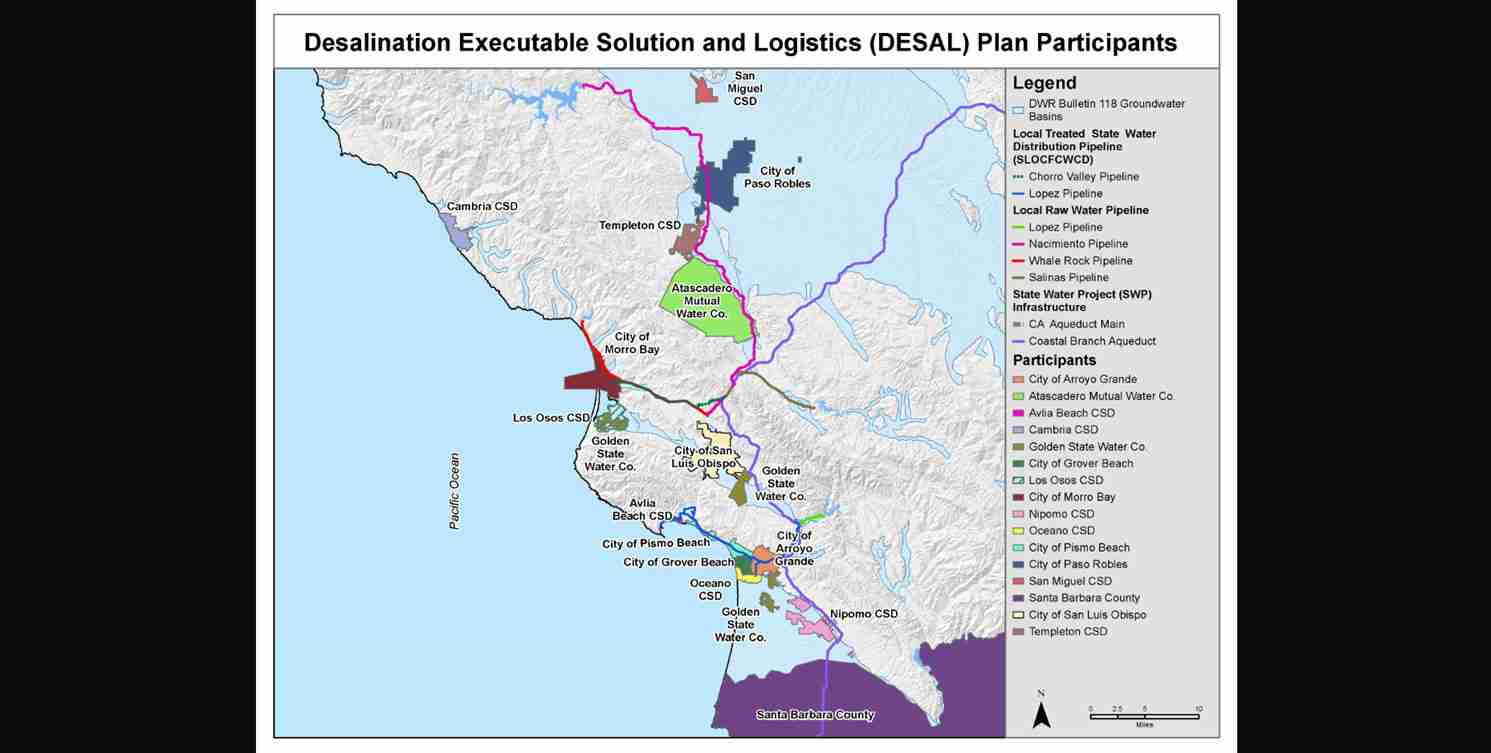
Though the outbreak is centered north of Santa Cruz, San Luis Obispo County and the wider central coast may feel several local impacts:
- Economic and tourism effects: Closure of Año Nuevo’s tours and viewing areas may reduce regional wildlife tourism and affect small businesses along the central coast.
- Wildlife health monitoring: Expanded surveillance from Sonoma to San Luis Obispo counties increases the likelihood local stranding networks and wildlife teams will be mobilized; training and coordination may be needed.
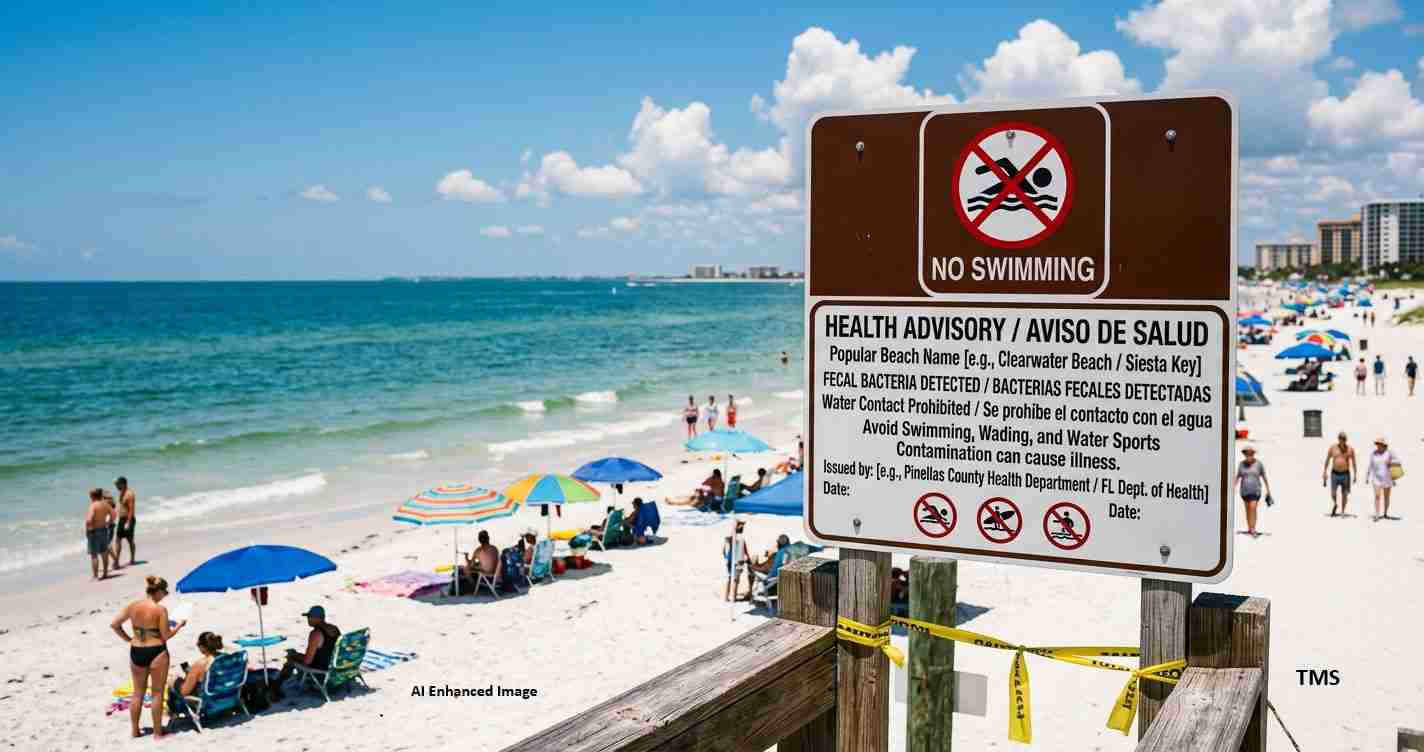
- Public safety and pet precautions: Residents and visitors should avoid contact with sick or dead wildlife and keep pets away from shorelines where seals and seabirds congregate; report animals to NOAA at (866) 767-6114.
- Scientific collaboration: Local institutions, including Cal Poly and regional conservation groups, may partner with UC Davis, UC Santa Cruz and NOAA for surveillance, sampling training and public education.
- Ecosystem considerations: Disease in marine mammals can signal broader ecological stressors; fisheries managers and marine scientists should monitor for indirect effects on prey species and coastal food webs.
Reporting and how the public can help
If you see a sick, injured or dead marine mammal in California, Oregon or Washington, report it immediately to the NOAA Fisheries West Coast Region Stranding Hotline at (866) 767-6114. Do not attempt to move the animal. Do not touch live or dead seals, and keep pets away — this protects people, pets and wildlife.
Sources and further reading
- California State Parks news release
- UC Davis veterinary news
- Mongabay report
- CIDRAP summary
- Marine Mammal Center statement
- Smithsonian Magazine coverage
- Regional incident listing
For now: officials and scientists continue intensified monitoring along the central coast while urging the public to keep distance from wildlife and to report any concerning animal sightings to NOAA at (866) 767-6114.