NGOs sue federal agencies in California whale protection lawsuit, seeking new rules to prevent deadly whale ship strikes
Two environmental groups sued NOAA Fisheries and the U.S. Coast Guard in federal court, seeking court-ordered protections— including speed limits and reroutes—for whales and sea turtles in California shipping lanes after a spike in deadly ship strikes near major ports.
- Plaintiffs: Center for Biological Diversity press release and Friends of the Earth summary document the filing.
- Defendants: The suit targets the National Marine Fisheries Service (NOAA Fisheries) and the U.S. Coast Guard for not analyzing or reducing harms from federal shipping lane designations.
- Key asks: Reroutes of shipping lanes, mandatory slower vessel speeds in whale habitat, and stronger analysis of underwater noise and air pollution to reduce harms.
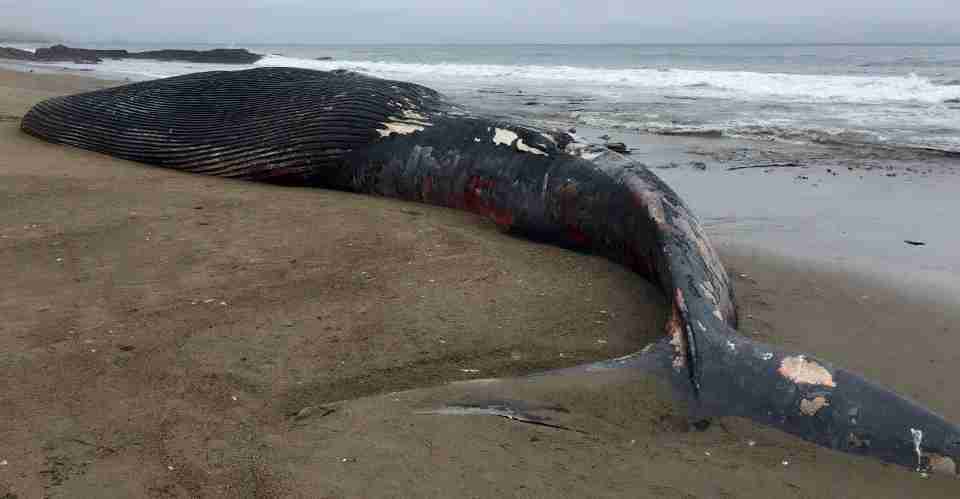
- Scale: Reporting shows at least 10 gray whales killed by likely ship strikes in the Bay Area in 2025; studies estimate roughly 80 whales killed annually off the West Coast by ship strikes.
Lawsuit details
Filed in the U.S. District Court for the Northern District of California, the complaint accuses the agencies of failing to reconsider decades-old shipping lane designations in light of modern science and recent whale mortality. The NGOs are asking the court to require immediate agency action to protect whales and sea turtles in busy corridors near Los Angeles, Long Beach, and San Francisco Bay.
Why the lawsuit was filed
The plaintiffs argue federal management has not kept pace with evidence of rising ship strikes and updated science. They contend that designations of shipping lanes and traffic separation schemes were not analyzed adequately under statutes such as the Endangered Species Act, leaving whales and turtles exposed to direct strikes, increased underwater noise, and air-pollution impacts.
Recent whale deaths and scientific context
Reporting documents a spike in confirmed deaths along the California coast: at least 10 gray whales were likely killed by ship strikes in the San Francisco Bay Area in 2025, with more carcasses under investigation. Advocates note that many at-sea mortalities go undetected and cite scientific work estimating roughly 80 whales killed annually by ship strikes off the U.S. West Coast, including endangered blue, fin, and humpback whales.
See local reporting: Active NorCal coverage, and broader conservation reporting: SeafoodSource analysis.
What the lawsuit demands
- Reassess and revise shipping lanes and traffic separation schemes that pass through whale habitats, especially in the Santa Barbara Channel and northern approaches to San Francisco Bay (CBD filing background).
- Require slower vessel speeds where whales concentrate during migration and feeding seasons to reduce fatal strikes (Friends of the Earth summary).
- Conduct stronger analyses of noise and air pollution impacts and adopt measures such as rerouting and speed limits to reduce harms (CBD press release).
Advocates’ view: solutions are available
Advocates say international best practices, regional precedent, and existing tools show rerouting and speed restrictions can sharply cut ship strikes. In public statements they described the pace of federal action as “federal foot-dragging”, arguing the necessary science and mitigation measures are already known.
“The science and tools needed to reduce ship strikes are well known,” the groups said, urging agencies to act now to protect whales and sea turtles.
Federal agencies and industry
The suit names NOAA Fisheries (National Marine Fisheries Service) and the U.S. Coast Guard. As of the filing, neither agency announced new immediate rules in response. Shipping companies and some port authorities often cite costs and scheduling impacts when opposing large-scale reroutes or mandatory slowdowns, but NGOs say the courts must compel careful analysis and consideration of trade-offs.
Broader context: ship strike risk along the West Coast
Ship strikes are one of the leading known causes of death for large whales along California and West Coast waters, particularly during migration seasons when animals cross busy lanes. Conservationists note that current shipping policies were formulated decades ago and argue they should be updated to reflect modern science and detection limits.
NOAA’s resources on ship strikes provide background on risk and mitigation approaches: NOAA Ship Strike resources.
Implications for San Luis Obispo, California
San Luis Obispo County sits along a busy Central Coast corridor. Potential impacts include:
- Economic/shipping: Ports and commercial shipping traffic may need schedule and fuel adjustments if reroutes or speed limits are imposed.
- Environmental: Reduced ship strikes, underwater noise and emissions could benefit gray, humpback and other whales as well as sea turtles.
- Political/regulatory: Local officials may be asked to submit comments or engage in collaborative planning with federal agencies and ports.
- Community/cultural: Whale-watching and coastal recreation interests could benefit from healthier whale populations, while workers in shipping and fishing will seek practical solutions that consider economic realities.
Next steps and what to watch
The case proceeds in the U.S. District Court for the Northern District of California. Observers will watch for agency responses, potential settlements, or court rulings that could establish new precedents for national shipping lane management and species protection. The NGOs seek court orders compelling analysis and remedial action.
Lawsuit sources and coverage
- Center for Biological Diversity press release (Oct. 23, 2025)
- Center for Biological Diversity lawsuit materials (July 30, 2025)
- Friends of the Earth legal summary
- Active NorCal reporting on local whale deaths
- International/trade press coverage
- SeafoodSource conservation reporting
- NOAA Ship Strike resources