From First to Last: Cincinnati Reds’ Collapse Deepens with Costly Missed Tag, Seventh Straight Loss
The Cincinnati Reds have plummeted from a 20-11 start and first place to last in the NL Central, enduring seven straight losses and a winless May amid costly mental errors, walk-off defeats and mounting clubhouse questions.
- Rapid slide: Reds went from 20-11 and leading the NL Central to last place after a seven-game losing streak and a winless May.
- Crucial mental error: Catcher Tyler Stephenson failed to apply a tag at the plate, turning a bases-loaded, no-out chance into a multi-run inning.
- Series of miscues: Three walk-off losses to the Chicago Cubs, a streak of seven consecutive walks tied to an MLB record, and base-running mistakes.
- Accountability questions: Coaching, communication and preparation in the clubhouse are under scrutiny as errors become habitual.
How a simple rule flipped a big inning
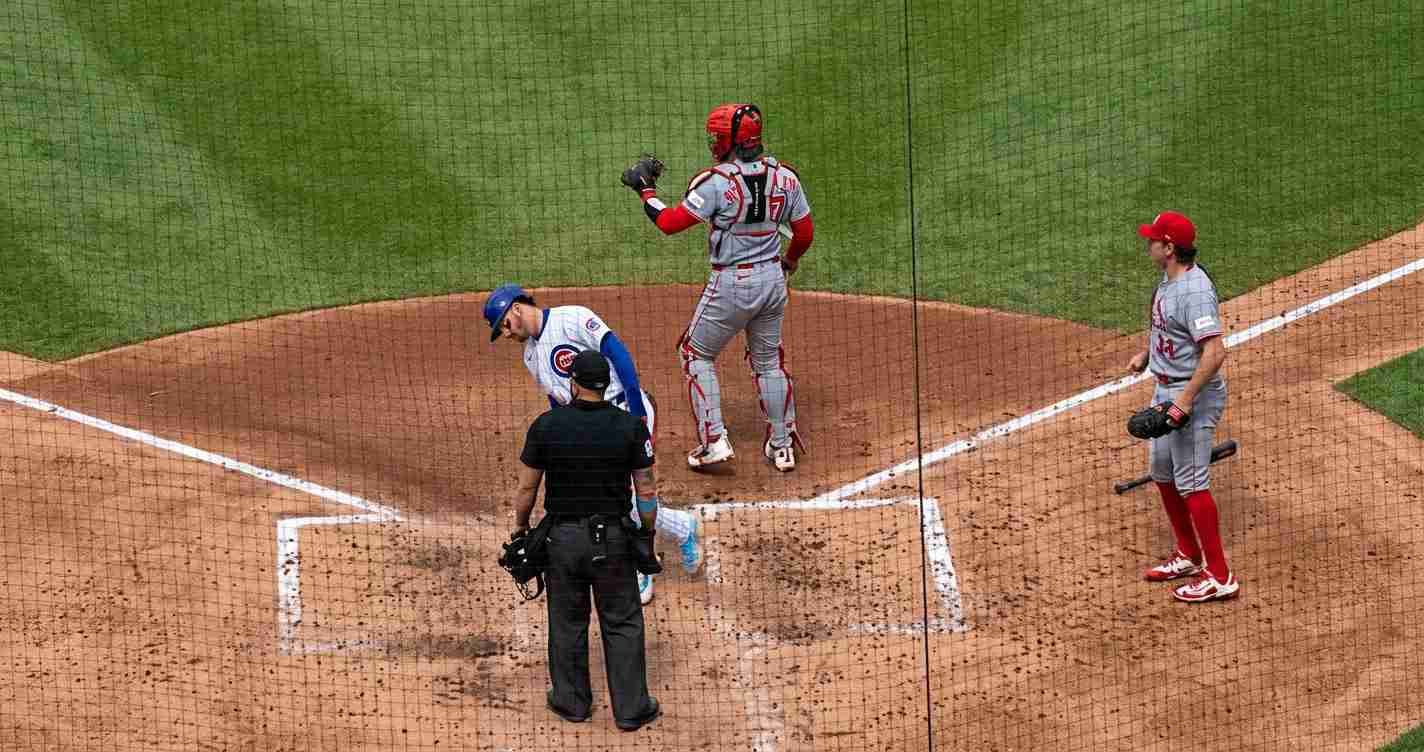
The play that crystallized Cincinnati’s afternoon collapse was painfully simple and avoidable. Down 2-0 with the bases loaded and nobody out in the bottom of the fourth, Dansby Swanson grounded to third baseman Ke’Bryan Hayes. Hayes stepped on third for out one and threw home, beating Ian Happ to the plate.
But once Hayes touched third, the force play was removed. At that instant the runner at home needed to be physically tagged. Instead, Reds catcher Tyler Stephenson caught the ball while standing on the plate and did not tag Happ. The Cubs’ outfielder was never tagged and the run counted; momentum swung and the inning ballooned into a multi-run disaster for Cincinnati.
“It’s a tag play! He’s gotta tag him!”
“No! No! Oh, this is a middle school mistake right here.”
Those on-air reactions from broadcasters like John Sadak and Chris Welsh underscored the play as a mental lapse rather than a physical shortcoming.
Walk-offs, missed opportunities and a spiral
The Stephenson error capped a brutal stretch that included three consecutive walk-off losses to the Chicago Cubs and a four-game sweep at Wrigley Field. One game ended 7-6 in 10 innings when Cincinnati could not close out late innings, continuing a theme of late-game miscues.
Other issues included base-running hesitation — a runner frozen at third on a grounder — and control problems: the Reds tied an MLB record by issuing seven consecutive walks in a game against the Pittsburgh Pirates, signaling deeper competitive concerns.
Managerial and clubhouse accountability
Mental errors are typically addressed through coaching, rehearsal and communication. But when such mistakes become recurring, they raise questions about preparation, leadership and the focus of day-to-day practice.
Players noted postgame that communication breakdowns and pressure to stop the skid contributed to hurried plays. If uncorrected, franchise responses could include roster moves, coaching adjustments, or renewed emphasis on situational drills.
Standings and schedule context
Cincinnati’s drop to the bottom of the NL Central is a stark reversal from a 20-11 start. The team now faces a stretch of six home games — against the Houston Astros and Washington Nationals — that could either jump-start a turnaround or deepen the slump.
For current standings and the team page, see MLB standings and MLB Reds.
Mental errors vs. talent: where the balance lies
This Reds roster has shown legitimate talent — enough to surprise and lead the division early — but fundamentals have waned. Baseball rewards consistent execution: pitching location, situational hitting, reliable defense and smart base-running.
Analysts caution against knee-jerk personnel overhauls, but they also warn that permitting habitual mental lapses risks further narrow losses.
Fan reaction and economic ripple effects
Losing streaks affect more than the win column. Attendance, merchandise sales and regional TV ratings often fall when a team appears vulnerable to avoidable errors. Local businesses tied to game-day traffic — bars, restaurants, hotels — can feel immediate impacts, especially on road trips where visiting fans shrink.
Local coverage and reaction are chronicled in outlets such as Cincinnati Enquirer sports and national recaps like ESPN Cincinnati Reds.
Implications for San Luis Obispo, California
Though geographically distant, San Luis Obispo’s bars and restaurants that host MLB watch parties can see shifts in weekend traffic tied to a franchise slump. Midwestern transplants and alumni groups may cut back meetups, altering local social routines.
Civic and tourism effects are limited, but community morale and entertainment options can be influenced. Youth baseball programs may use the Reds’ errors as teachable moments for tagging, communication and situational awareness.
Practical applications for residents
Residents and event organizers can adapt: diversify programming during tough stretches, host clinics emphasizing fundamentals, and use local coaching networks to highlight plays that have hurt Cincinnati — tags at the plate, base-running decisions, and infield communication.
Coaches and parents: consider drills that simulate pressure late-inning situations and reinforce the simple rule that removed a force play — the need to physically tag once the force is gone.
Sources and further reading
Upcoming note
Reminder: The Reds return home after the Wrigley sweep and will host the Houston Astros and Washington Nationals over their next six games — a short window to address execution, restore confidence and halt the slide.